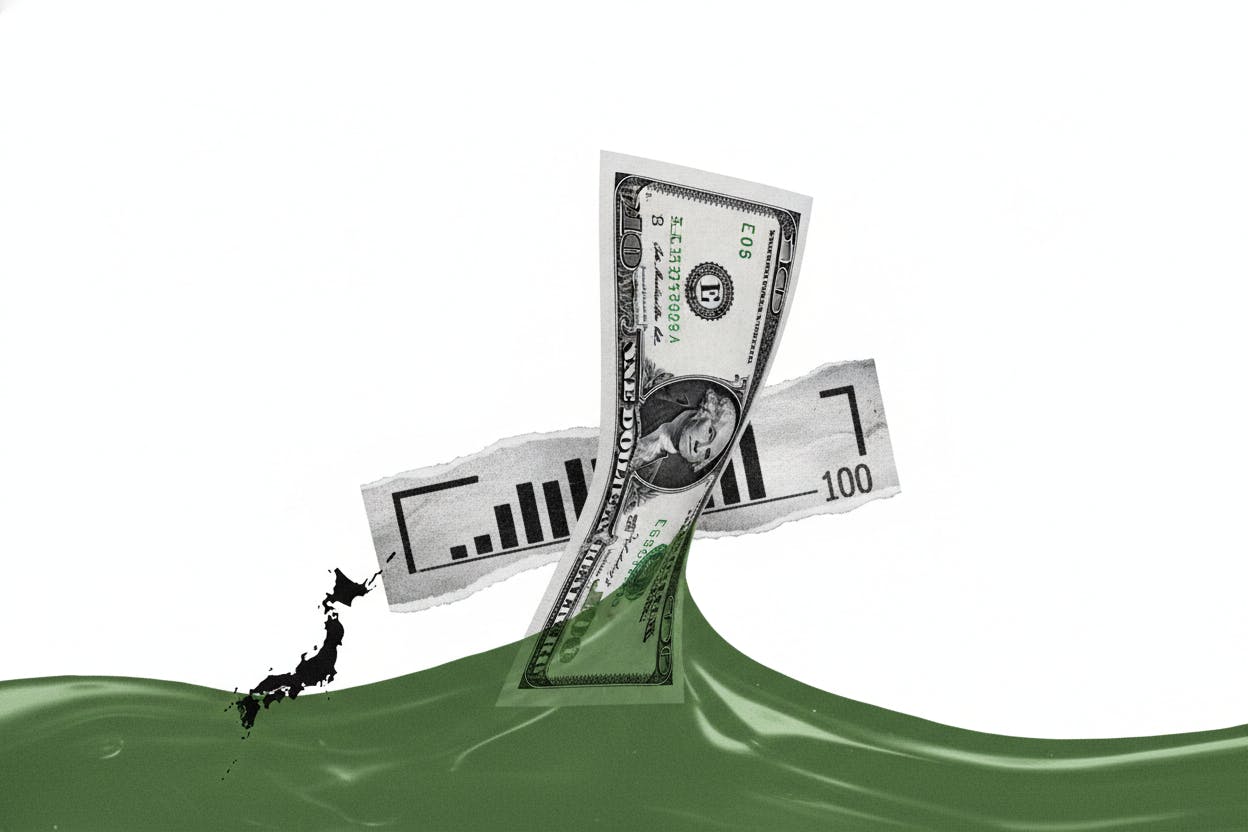
The US dollar remained firm on [day] as rising crude prices and higher Treasury yields offset a batch of softer-than-expected economic data. Investors, already cautious about geopolitical risks in the Middle East, have been gravitating toward the greenback and US government bonds, reinforcing the currency's strength.
According to market pricing, there is now a 67% chance that the Federal Reserve will raise interest rates at its September meeting. That expectation has been a key pillar supporting the dollar, even as reports on job openings and factory activity came in below forecasts.
Why oil and yields are moving the dollar
Oil prices have climbed as tensions in the Middle East raise concerns about potential supply disruptions. Crude is a globally traded commodity, and any threat to major shipping routes or production hubs can quickly push prices higher. For the dollar, the link is indirect but important: higher energy costs can feed into broader inflation, which in turn influences how aggressively the Fed needs to act.
At the same time, Treasury yields have been rising. When yields on US government bonds climb, they offer investors a better return on dollar-denominated assets. That makes the dollar more attractive relative to other currencies, helping it stay firm even when domestic data disappoints.
Geopolitical uncertainty also tends to boost the dollar through a 'safe-haven' effect. When global tensions flare, investors often move money into assets perceived as stable, and the US dollar and Treasuries are among the most popular choices. This dynamic has been visible in recent sessions, with the dollar index holding its ground despite mixed economic signals.
Softer US data and the Fed's path
The latest US data has been softer than expected, with job openings and factory surveys both missing forecasts. These figures suggest some cooling in the labor market and manufacturing sector, which could normally weigh on the dollar by reducing the case for higher rates.
However, the market's focus remains on inflation and the Fed's next move. With oil prices rising, there is a risk that inflation could stay stickier than hoped, forcing the central bank to keep rates higher for longer. That scenario supports the dollar, as higher rates tend to attract foreign capital.
The 67% probability of a September hike is a significant shift from earlier in the summer, when traders were more divided. It reflects a growing belief that the Fed will need to act again to keep price pressures under control, even as some parts of the economy show signs of slowing.
What it means for investors
For everyday investors, the dollar's strength has several implications. A firmer dollar can make imported goods cheaper for US consumers, but it can also weigh on multinational companies that earn revenue overseas, as those earnings are worth less when converted back to dollars.
Higher oil prices, meanwhile, can squeeze consumers at the pump and raise costs for businesses, potentially eating into corporate profits. Energy stocks, however, often benefit from rising crude prices, as seen in recent moves in European markets where oil and gas shares have outperformed.
The combination of higher yields and a stronger dollar has also pressured gold, which tends to move inversely to both. As noted in our coverage of gold's recent decline, the metal has broken a key trend line as investors favor yield-bearing assets over non-yielding ones.
Looking ahead, traders will be watching upcoming US data releases and any developments in the Middle East. A further escalation could push oil even higher, reinforcing the dollar's safe-haven appeal. Conversely, a de-escalation might ease oil prices and reduce the pressure on the Fed, potentially weakening the dollar.
For now, the market is in a wait-and-see mode, with the September Fed meeting as the next major catalyst. As traders await key data and central bank meetings, the dollar's direction will likely hinge on inflation signals and geopolitical headlines.
In the meantime, investors should be aware that currency and commodity moves can have ripple effects across portfolios. Diversification remains a key strategy, as different asset classes respond differently to the same macroeconomic forces.



