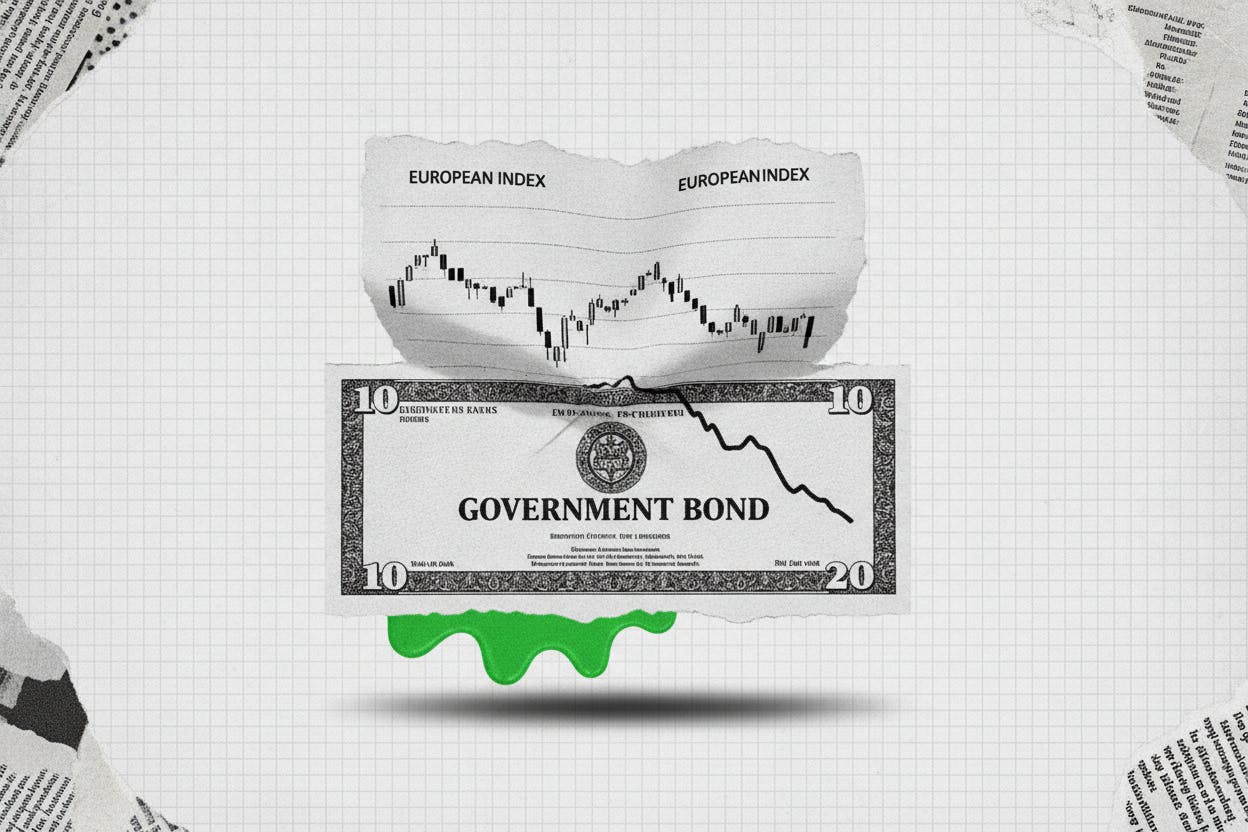
European stocks opened September on a sour note, with the pan-European STOXX 600 index falling to its lowest level in more than a week. The decline came as oil and natural gas prices surged and traders increasingly bet that the European Central Bank (ECB) will deliver another interest rate hike at its meeting next week.
What's driving the sell-off?
The pullback is largely a story of two forces: higher energy costs and rising government bond yields. Oil prices have climbed above $90 a barrel, and European natural gas prices have jumped to multi-year highs. That combination tends to reignite concerns about inflation, which in turn pushes investors to demand higher yields for holding long-term government bonds.
On Tuesday, Germany's 30-year government bond yield hit a fresh 15-year high, while France's 30-year yield reached its highest level since 2008. Rising bond yields are a headwind for stocks because they make future earnings less attractive and offer investors a safer alternative to equities.
The ECB's next move
Traders are now pricing in a 25-basis-point rate hike from the ECB next week, which would take the deposit rate to a new record high. The central bank has been fighting stubborn inflation, but the recent spike in energy prices adds another layer of pressure. A rate hike would be the latest in a series of increases aimed at cooling price growth, but it also raises borrowing costs for businesses and households, which can weigh on economic growth and corporate profits.
For everyday investors, this means the environment for European stocks could remain choppy. Higher rates tend to hurt growth-oriented sectors, while banks and other financial firms often benefit from wider interest margins.
What it means for investors
The current market dynamics highlight the delicate balance central banks are trying to strike. On one hand, they want to tame inflation; on the other, they don't want to tip economies into recession. The recent rise in oil and gas prices complicates that task, as it could keep inflation elevated for longer.
For investors, this is a reminder that bond yields and energy prices are closely watched indicators. When they move sharply, stock markets often react. Diversification across asset classes and sectors can help manage the volatility that comes with such shifts.
As the ECB meeting approaches, markets will be watching for signals about the future path of rates. If the central bank signals that this could be the last hike for a while, stocks might find some relief. But if it hints at more tightening to come, the pressure on equities could persist.
Broader market context
The European sell-off is part of a wider global trend. Rising oil prices and bond yields have also hit other markets, including Southeast Asian stocks and New Zealand equities. In the US, similar concerns have weighed on Wall Street, with traders locking in gains ahead of September, a historically weak month for stocks.
Energy prices are a key variable. Oil above $90 has pushed global bond yields to fresh highs, and Europe's gas prices have hit multi-year highs, adding to the inflation headache for central banks.
Looking ahead
Investors will be closely watching the ECB's decision next week, as well as any commentary from policymakers about the future path of rates. Also on the radar are economic data releases, including Italy's jobless rate and UK house prices, which can offer clues about the health of the European economy.
For now, the message from the markets is clear: higher energy costs and rising bond yields are a potent mix that can unsettle equities. Investors should brace for continued volatility as central banks navigate the tricky path between fighting inflation and supporting growth.



