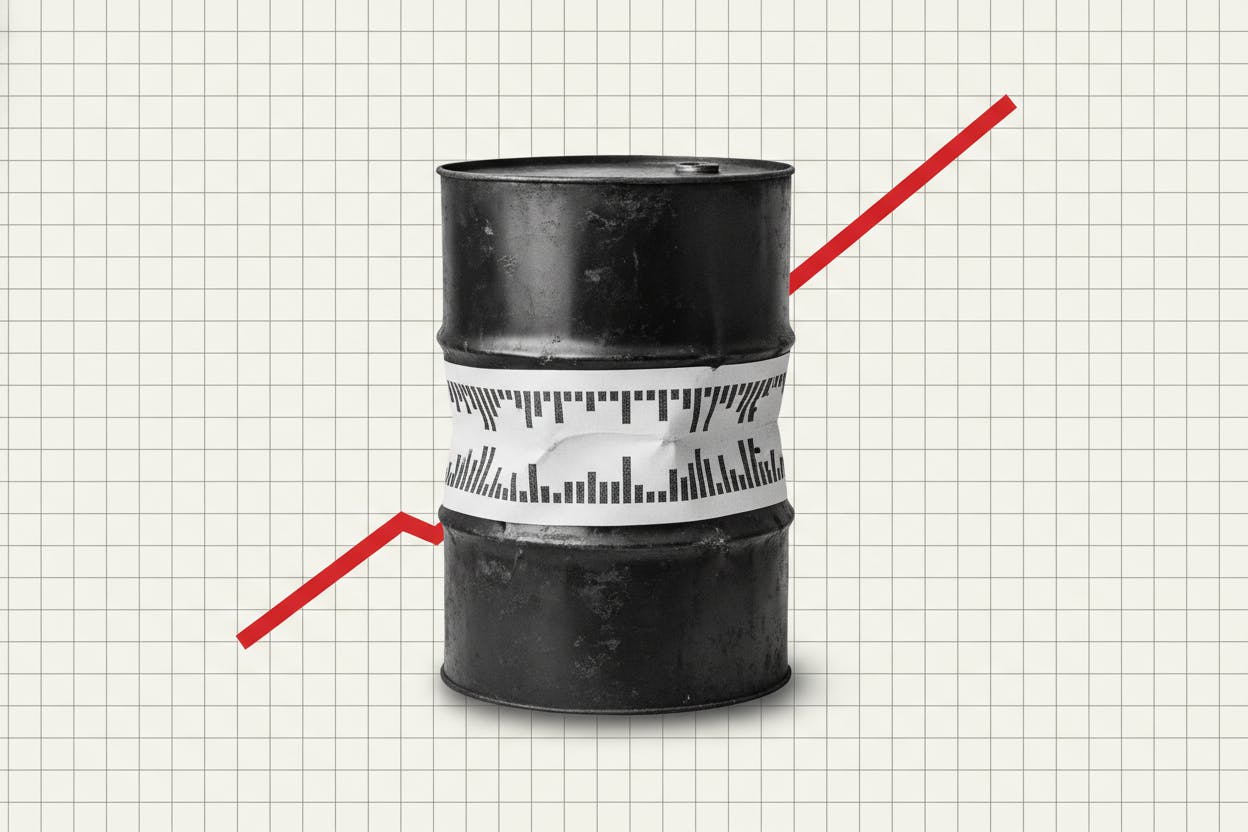
Oil prices climbed again on Tuesday, with Brent crude topping $91 a barrel, and that helped push government bond yields around the world to fresh highs. The move reflects a simple but powerful worry: if energy costs keep rising, inflation may stay hotter for longer, and central banks may have to keep interest rates higher than investors had hoped.
The selling was broad. According to Reuters, the yield on the US 10-year Treasury—a benchmark for borrowing costs across the economy—climbed to 4.78%, close to levels not seen in years. Long-dated government bond yields in parts of Europe also touched multi-year highs, as investors adjusted their expectations for how long the current period of high interest rates might last.
Why oil matters for bond yields
When investors sell bonds, prices fall and yields rise. Tuesday's move was driven by the jump in oil. Higher oil prices can filter through to gasoline, shipping, and production costs, making it harder for inflation to cool down. That is awkward for central banks like the US Federal Reserve, because it raises the chance they keep interest rates elevated—or even hike again—to bring price pressures under control.
The link between oil and yields has been a recurring theme in markets this year. Geopolitical tensions, including concerns about supply disruptions in the Middle East, have helped push crude higher. As oil goes up, so do inflation expectations, and bond investors demand higher yields to compensate for the erosion of their fixed payments.
The 10-year Treasury yield is particularly important because it influences mortgage rates, corporate borrowing costs, and even the interest rates on savings accounts. When it rises, it can make borrowing more expensive for consumers and businesses, which can slow economic growth.
What a possible Fed hike means
Markets are now weighing the possibility that the Federal Reserve could raise its benchmark interest rate as soon as this month. A hike would be a surprise to many investors, who had expected the central bank to hold rates steady after a series of increases over the past couple of years. But with inflation proving stubborn, some policymakers have hinted that another move is not off the table.
The dollar has held near highs as some officials warn that the Fed may need to hike again. A stronger dollar can put pressure on emerging markets and multinational companies, but it also reflects the view that US interest rates may stay higher than elsewhere.
For everyday investors, the key takeaway is that the era of ultra-low interest rates is firmly in the rearview mirror. Higher yields mean that bonds are offering more income than they have in years, but they also mean that stock valuations may face headwinds, as future earnings are discounted at higher rates.
What it means for investors
If you hold bonds, rising yields mean falling prices in the short term, but also higher income if you reinvest. If you own stocks, the picture is more mixed. Sectors like technology, which rely on future growth, can be more sensitive to higher yields, while energy companies might benefit from higher oil prices.
The oil surge to $91 has already lifted long-term Treasury yields on inflation fears, and that trend could continue if crude keeps climbing. Investors will be watching oil inventories, geopolitical developments, and any comments from Fed officials for clues about the next move.
It's also worth noting that global stock funds saw their first outflows in 14 weeks ahead of key events like Nvidia's earnings and the Jackson Hole symposium. That suggests some investors are becoming more cautious, and the bond market's message is that inflation is not yet defeated.
For now, the path of oil and inflation will likely dictate how much further yields can rise. If oil stabilizes or falls, the pressure on central banks could ease. But if it keeps climbing, investors may have to get used to a world where both inflation and interest rates stay higher for longer.



