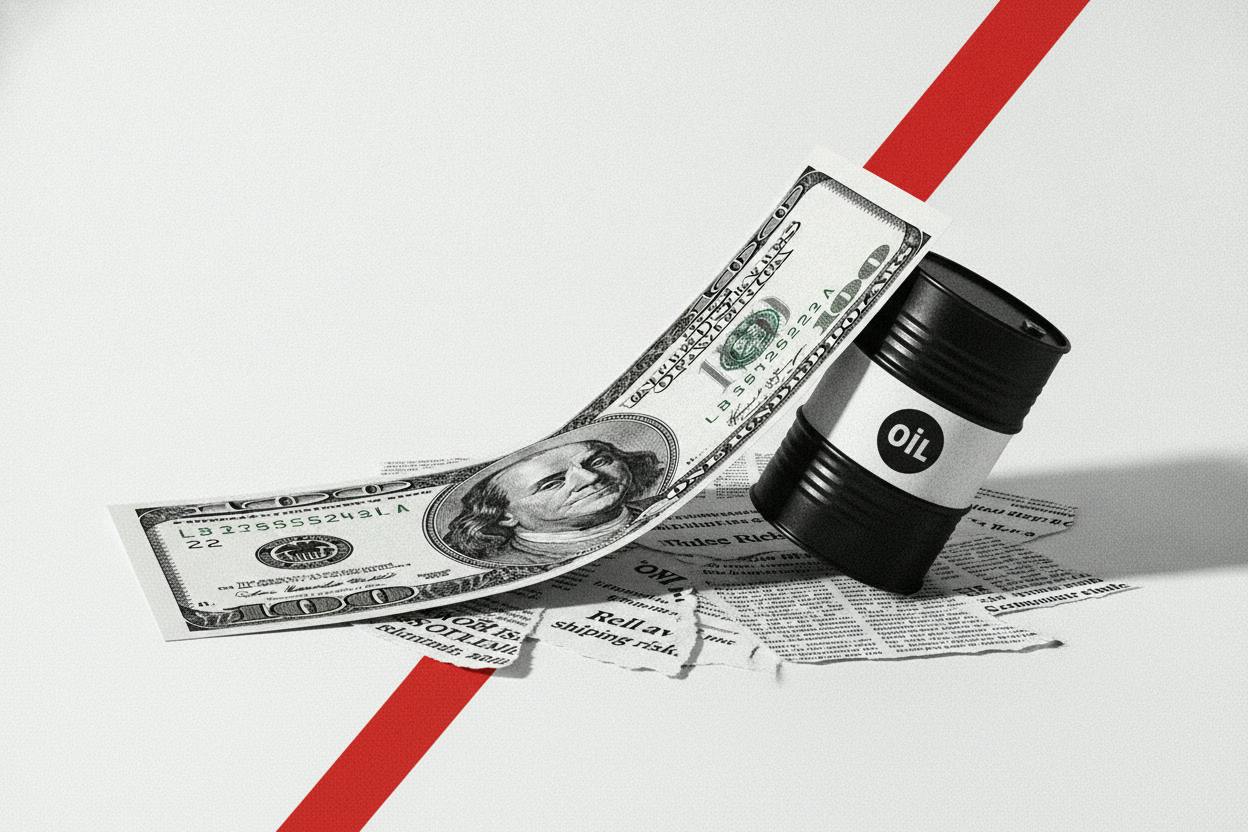
The US dollar remained within striking distance of an 18-month high on Tuesday, as investors held off on big bets ahead of Wednesday's US consumer price index (CPI) report. The cautious tone was reinforced by ongoing tensions in the Middle East and volatile oil prices, which have kept markets on edge.
The dollar index, which tracks the greenback against a basket of major currencies, has been hovering near last week's peak. That strength reflects a combination of safe-haven demand and expectations that the Federal Reserve will keep interest rates steady for now. According to market pricing, traders see an 81% chance that the Fed will hold rates unchanged at its next meeting.
Why the dollar is so strong
The dollar's appeal right now comes from two main forces. First, higher interest rates in the US relative to other major economies make dollar-denominated assets more attractive to global investors. Even though the Fed has paused its rate hikes, rates remain elevated compared to peers in Europe and Japan.
Second, geopolitical uncertainty often drives investors toward the dollar because it is considered a safe-haven currency. With tensions simmering in the Middle East, particularly around shipping routes, traders are reluctant to take on risk. That has kept the dollar well supported.
Oil prices have been particularly jumpy. Brent crude, the international benchmark, has swung on headlines about potential disruptions to supply. While oil is priced in dollars, the relationship is complex: higher oil prices can sometimes weigh on the dollar if they raise concerns about global growth, but they can also boost demand for the greenback as a hedge. For now, the net effect has been to keep markets defensive.
What the CPI report could mean
Wednesday's inflation data is the week's main event. The CPI measures the average change in prices paid by consumers for goods and services. It is one of the most closely watched indicators because it directly influences the Fed's interest rate decisions.
If inflation comes in hotter than expected, it could push the Fed to keep rates higher for longer, which would likely strengthen the dollar further. Conversely, a cooler reading might revive hopes for rate cuts later this year, potentially weakening the dollar and boosting riskier assets like stocks.
Investors will also parse the details of the report, such as core inflation, which strips out volatile food and energy prices. Core inflation is seen as a better gauge of underlying price pressures. A surprise in either direction could trigger sharp moves in currency and bond markets.
Beyond the US, global markets are also watching developments in Asia. For instance, the KOSPI fell 1.73% as Middle East tensions rattled investors, highlighting how geopolitical risks are affecting sentiment worldwide. Meanwhile, the Aussie dollar steadied ahead of RBA minutes, showing that currency traders are focused on central bank signals across the globe.
What it means for investors
For everyday investors, a strong dollar has several implications. It can hurt the earnings of US multinational companies that generate a large share of revenue overseas, because their foreign profits are worth less when converted back to dollars. That can weigh on stock prices, particularly in sectors like technology and consumer goods.
A strong dollar also makes imports cheaper, which can help tame inflation but may pressure domestic producers. For those holding international investments, currency fluctuations can significantly impact returns. A rising dollar means that foreign assets are worth less in dollar terms, all else being equal.
On the flip side, a strong dollar can be a tailwind for Americans traveling abroad, as their money goes further. But for investors with exposure to emerging markets, a strong dollar can be a headwind, as it makes it more expensive for those countries to service dollar-denominated debt.
Looking ahead, the CPI report will likely set the tone for the dollar in the near term. If inflation remains stubborn, the Fed may signal that rates will stay high, keeping the dollar firm. If inflation shows signs of cooling, the dollar could retreat as traders price in rate cuts. Either way, volatility is likely to remain elevated, especially with geopolitical risks simmering in the background.
Investors should also keep an eye on oil prices, as they can influence both inflation and global growth prospects. A sustained spike in oil could complicate the Fed's job by pushing inflation higher while slowing the economy. That scenario would likely benefit the dollar as a safe haven but could spell trouble for stocks.
In summary, the dollar's near 18-month high reflects a cautious market waiting for clarity on inflation and interest rates. Wednesday's CPI report is the next big test, and its outcome will shape expectations for the Fed and the path of the dollar in the weeks ahead.