The US dollar is back on the front foot, hovering near a 19-month high as investors rethink how long the Federal Reserve will keep interest rates elevated. The move comes after fresh inflation and jobs data came in hotter than expected, prompting traders to dial up their forecasts for US rates.
The shift has been most visible in the “front end” of the Treasury market—shorter-term bonds that are most sensitive to Fed expectations. The 2-year Treasury yield jumped to about 4.87% on the week, a level not seen in months. Higher short-term yields tend to support the dollar because global investors can earn more by parking cash in US assets.
What’s driving the repricing?
The catalyst is a string of economic reports that suggest the US economy is still running warm. Inflation has come in above forecasts, and the labor market remains resilient, giving the Fed little reason to cut rates soon. Several Fed officials have also leaned hawkish in recent remarks, signaling that more rate action may be needed to bring inflation back to target.
That combination has pushed traders to push out their expectations for the first rate cut. Just a few months ago, markets were pricing in multiple cuts this year. Now, the consensus is shifting toward a longer period of elevated rates—a scenario that tends to boost the dollar.
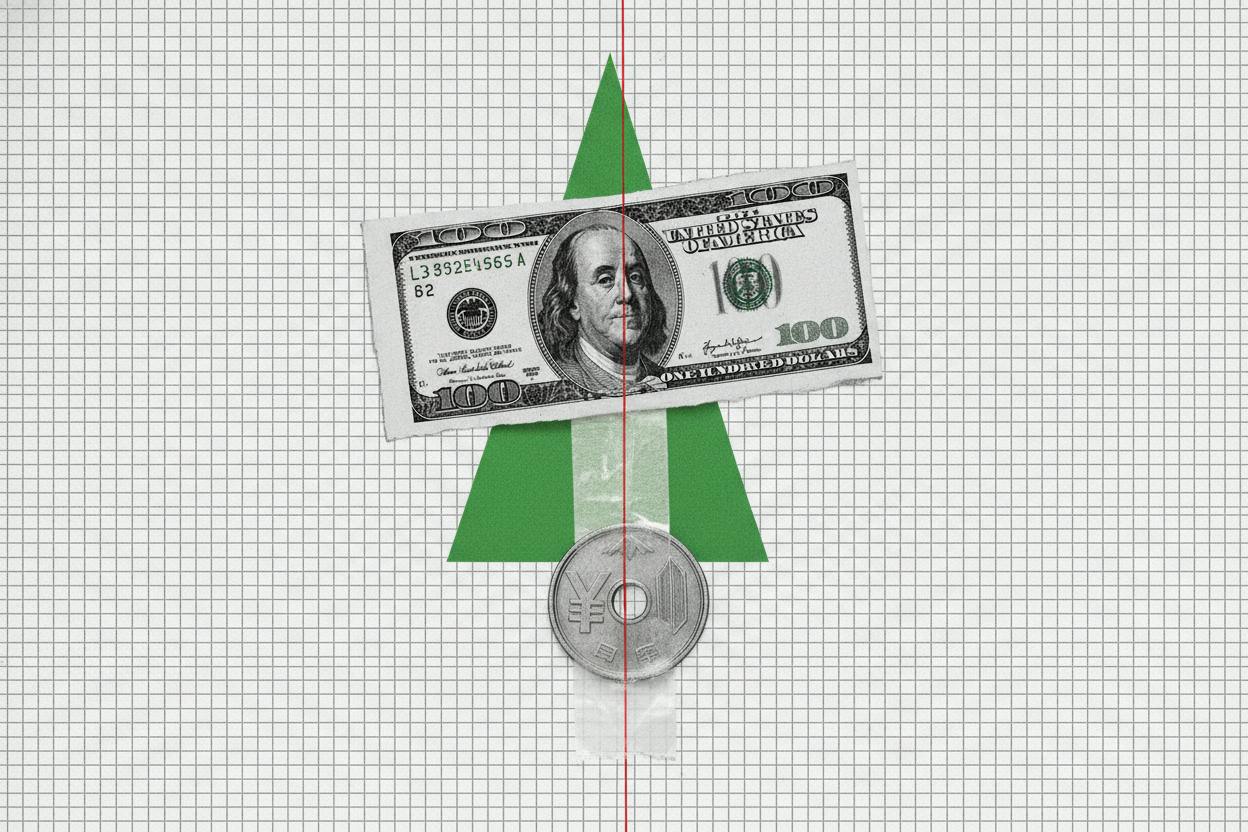
The yen, meanwhile, is hovering just shy of 160 per dollar, a level that has previously prompted intervention by Japanese authorities. A stronger dollar makes imported goods more expensive for Japan and other emerging economies, adding to global financial pressures.
What it means for investors
For everyday investors, a stronger dollar has mixed implications. On the positive side, US-based investors holding foreign assets or international funds may see their returns boosted when converted back to dollars. But a strong dollar can also weigh on US multinational companies, as their overseas earnings are worth less when translated into dollars.
Higher Treasury yields also affect borrowing costs. Mortgage rates, auto loans, and credit card rates are all tied to longer-term yields, so a sustained rise in yields could make it more expensive for consumers and businesses to borrow. That could eventually slow the economy, even as the Fed tries to cool inflation.
For those with cash in savings accounts or money market funds, higher yields are a silver lining—they mean better returns on short-term deposits. But for bond investors, rising yields mean falling prices, so existing bond holdings may lose value.
What to watch next
Investors will be watching upcoming economic data and Fed speeches for clues about the path of rates. If inflation continues to run hot, the dollar could push even higher, and the yen may come under more pressure. Conversely, any signs of a slowdown could reverse the recent moves.
The dollar’s strength is also a key factor for emerging markets, where a stronger greenback can strain currencies and increase debt servicing costs. As the dollar hits multi-month highs, investors in those markets will be watching closely.
For now, the message from the markets is clear: the Fed is likely to keep rates higher for longer, and the dollar is benefiting from that reality.