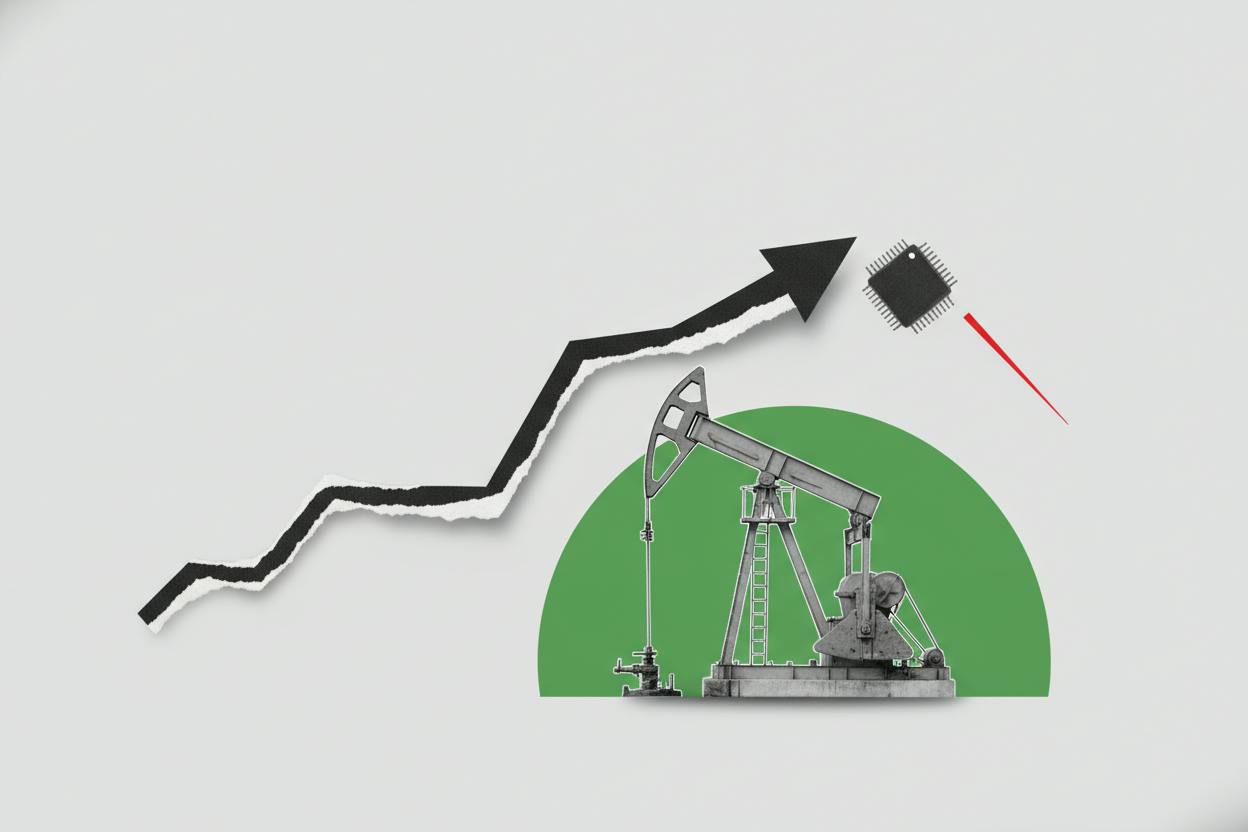
The S&P 500 posted its first weekly gain since the week ended October 9, climbing 2.5% as a broad rally in energy stocks offset a sharp decline in Nvidia. The move signals a shift in market leadership, with investors rotating away from the crowded AI trade and toward sectors that benefit from rising commodity prices.
Energy was the standout performer, rising 5.1% for the week as natural gas prices climbed on expectations of colder weather and higher heating demand. The lift was broad enough that all 11 S&P 500 sectors finished the week in positive territory, a sign that the rally wasn't dependent on a single theme.
Meanwhile, Nvidia fell 13% ahead of its upcoming earnings report, a reminder of how quickly a high-expectations stock can reprice when investors get nervous before results. The chipmaker's slide dragged on the tech-heavy Nasdaq, but the broader index still managed to close higher, underscoring the rotation underway.
What's driving the rotation?
The week's action looked less like an "AI trade" and more like a classic rotation. As natural gas prices rose on weather forecasts, energy companies saw their shares climb, with the sector leading the market. This type of move often happens when investors seek out cheaper, more cyclical areas of the market that stand to benefit from rising input prices.
At the same time, chip stocks were jittery ahead of a busy calendar. Nvidia's slide shows how quickly a high-expectations stock can reprice when investors get nervous before results. The company is set to report earnings next week, and the bar is high after a massive run-up in its shares over the past year.
The backdrop for everything else is still interest rates. Recent inflation data cooled in some places but stayed sticky in others, keeping markets focused on what the Federal Reserve does next. That makes big earnings weeks feel like a stress test for valuations, as investors weigh whether companies can justify their price tags in a higher-for-longer rate environment.
What Nvidia's slide means for the market
Nvidia's 13% drop ahead of earnings sets a higher bar for the company's results. Big drops before a report often aren't only about sales forecasts. They can reflect a higher "equity risk premium" — basically, investors demanding more compensation for uncertainty — which pushes down valuation multiples. That means an "in-line" quarter may not be enough to steady the stock.
This matters beyond one company. When one crowded, high-expectations name gets repriced, it can spill into nearby chip stocks as traders reduce risk across the same theme, even if their fundamentals didn't change. That's why the AI trade has been so sensitive to Nvidia's moves, and why next week's earnings could have ripple effects across the sector.
For everyday investors, the takeaway is that diversification matters. While Nvidia and other AI names have been market darlings, their volatility can be sharp. The energy rally shows that other sectors can provide a cushion when tech stumbles, and that a broad-based index like the S&P 500 can still post gains even when a heavyweight stock falls.
What to watch next
Investors will be watching Nvidia's earnings closely, as well as any signals from the Fed on the path of interest rates. The recent inflation data has been mixed, and the central bank's next move will likely depend on whether price pressures continue to ease. A hotter-than-expected reading could reignite rate fears, while cooler data could support the case for a pause.
Energy markets will also be in focus, as natural gas prices could keep climbing if cold weather persists. That would likely support energy stocks further, but it could also add to inflation concerns if it pushes up heating costs for consumers.
For now, the market's ability to shrug off Nvidia's slide and post a weekly gain is a positive sign. But with earnings season in full swing and the Fed still in focus, volatility is likely to remain elevated. Investors should stay tuned and keep an eye on how the rotation plays out in the coming weeks.