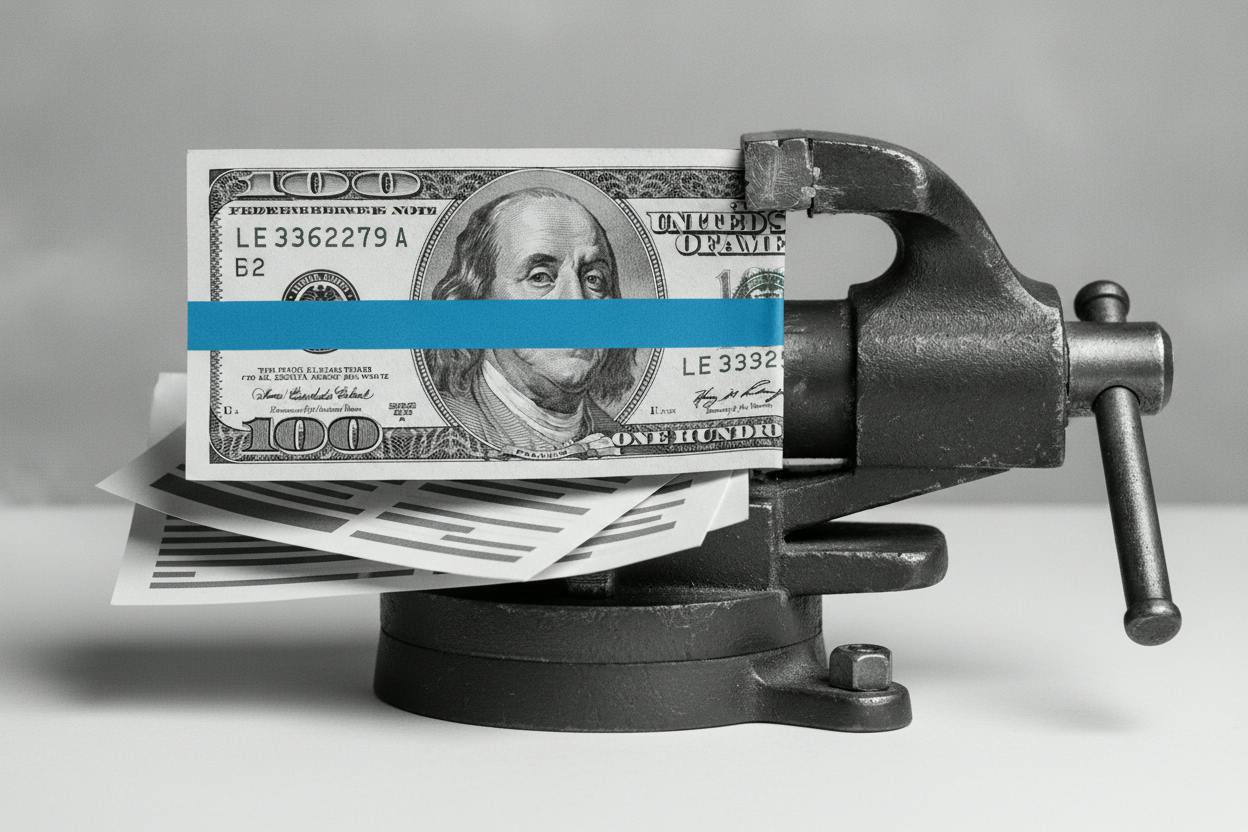
The US dollar is holding near its strongest level in 18 months, buoyed by the Federal Reserve's latest meeting minutes that underscored policymakers' ongoing concern about inflation. The dollar index, which measures the greenback against a basket of six major currencies, steadied around 102.23 on Thursday, keeping it close to its highest point since April 2025.
The minutes from the Federal Open Market Committee (FOMC) meeting, released midweek, reminded investors that the central bank remains wary that inflation could stay stubbornly above its 2% target. That keeps the possibility of a "higher-for-longer" interest rate policy firmly on the table, even as the next move is far from certain.
Despite the hawkish tone, traders in the futures market barely adjusted their expectations. According to CME's FedWatch tool, fed funds futures still imply only a 19% chance of a quarter-point rate hike at the Fed's next meeting, which concludes on October 28. In other words, the market sees a rate increase as a distinct possibility but far from a done deal.
Why the gap between rhetoric and market pricing?
At first glance, the disconnect between the Fed's cautious stance and the low odds of a hike might seem contradictory. But currency markets don't just react to the next decision; they price in the entire expected path of interest rates over the coming months and years. If investors believe the Fed will keep rates higher for longer compared with other major central banks, the dollar becomes more attractive to hold.
This dynamic helps explain why the dollar remains strong even when other data points might suggest otherwise. For instance, the dollar stayed elevated against the Japanese yen, trading around 157.815, despite Japan reporting a larger-than-expected current account surplus of 4.062 trillion yen in August. A current account surplus typically supports a currency, as it reflects strong inflows from trade and investment. But in this case, the interest rate differential between the US and Japan—where rates remain ultra-low—overwhelmed the positive data.
For everyday investors, the key takeaway is that currency movements are driven by relative interest rates, not just economic headlines. The "carry"—the interest you earn while holding a currency—can make the dollar appealing when US rates are expected to stay higher than those in other developed economies. This can also raise the cost for overseas investors to hedge their currency exposure, as forward contracts embed the rate gap.
What this means for your portfolio
For investors with international exposure, a strong dollar has mixed implications. On one hand, it can boost the returns of US-based investments when converted back to local currencies. On the other hand, it can weigh on the earnings of multinational companies that generate significant revenue overseas, as those foreign profits are worth less in dollar terms.
The dollar's strength also tends to put pressure on emerging market assets, as we've seen recently with outflows from emerging markets amid a hawkish Fed and cooling AI trade. A stronger dollar makes it more expensive for these countries to service dollar-denominated debt and can dampen investor appetite for riskier assets.
For those holding bonds, the Fed's stance on rates is crucial. If the central bank keeps rates elevated, bond yields—which move inversely to prices—may stay high, affecting both Treasury and corporate bond markets. The recent rise in the 30-year Treasury yield to a 24-year high is a reminder of how sensitive fixed-income markets are to Fed policy signals.
Looking ahead
Investors will be watching for any further clues from Fed officials in the coming weeks, especially as the next FOMC meeting approaches. The minutes also revealed a split among policymakers, with some favoring patience and others open to further tightening. This division, highlighted in our coverage of the minutes, suggests the debate over the path of rates is far from settled.
In the meantime, the dollar's strength is likely to persist as long as the Fed maintains its cautious stance. For currency traders, the focus will remain on interest rate differentials and the broader economic outlook. For everyday investors, the message is to stay informed about how these macro forces can ripple through portfolios, from stock valuations to the cost of international travel.
As always, it's important to remember that currency markets are complex and influenced by a multitude of factors. While the dollar's current strength is notable, it could shift quickly if economic data or Fed communications change the outlook. Keeping an eye on these developments can help investors make more informed decisions.