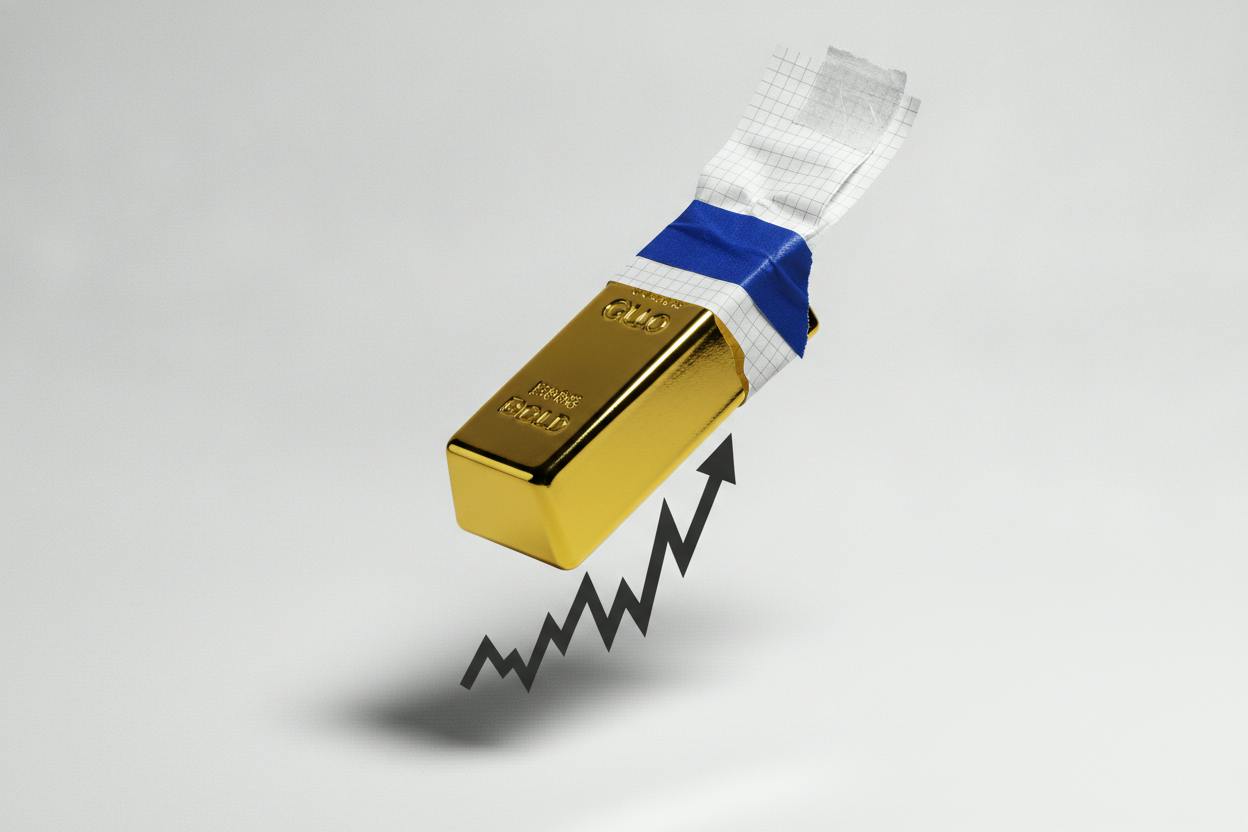
Gold prices edged higher on Tuesday, rising 0.4% after touching a two-month low, as investors paused to gauge the Federal Reserve's next move on interest rates. The modest rebound comes after a stretch of selling that has left the metal under pressure, with traders now pricing in an 18% chance of a rate hike later this month.
The move reflects a market in wait-and-see mode. With the Fed's next policy meeting just weeks away, investors are looking for clarity on whether the central bank will tighten again or hold off to let previous increases work through the economy.
Why gold has been sliding
Gold has struggled recently because of two forces: a stronger US dollar and higher Treasury yields. Since gold pays no interest, it becomes less attractive when bonds offer better returns. A firmer dollar also makes gold more expensive for buyers using other currencies, which tends to dampen demand.
The latest Fed meeting minutes did little to settle the debate. Officials appeared divided, with some favoring continued tight policy to keep inflation from flaring up again, while others preferred to wait and see how past rate hikes are filtering through the economy. That split has left traders uncertain about the path ahead.
For context, the Fed has been raising rates over the past year to combat inflation, which has been running well above its 2% target. Each hike makes borrowing more expensive, which can slow spending and investment. But higher rates also tend to weigh on assets like gold that don't generate income.
What the 18% probability means
The 18% chance of a rate hike this month, as implied by futures markets, suggests most traders expect the Fed to hold steady. But that number can shift quickly if economic data surprises. Strong inflation or jobs numbers could push the odds higher, while weak data could reduce them further.
For everyday investors, the key takeaway is that gold's near-term direction hinges on the Fed. If the central bank signals patience, gold could find some support. If it hints at more hikes, the metal may face renewed selling pressure.
What it means for investors
Gold is often seen as a hedge against inflation and economic uncertainty, but its performance depends heavily on real interest rates—the return on bonds after accounting for inflation. When real rates rise, gold tends to struggle. When they fall, gold often shines.
Investors holding gold or gold-related funds should watch the Fed's language and upcoming economic data. A dovish shift could boost the metal, while a hawkish surprise could extend the decline. As always, diversification remains important—gold can play a role in a portfolio, but it shouldn't be the only line of defense.
In the broader market, the dollar's strength has been a recurring theme, as noted in our recent coverage of the dollar steadying near an 18-month high. That trend has ripple effects across commodities and emerging markets, as seen in Latin American markets slipping under similar pressures.
Meanwhile, other metals are making headlines for different reasons. For instance, Zimbabwe's lithium exports have overtaken platinum group metals, highlighting shifting demand in the battery supply chain. And Osisko Metals has found a new copper porphyry at its Quebec project, underscoring the search for metals tied to electrification.
For gold, the immediate focus remains on the Fed. Until policymakers signal their next move, prices are likely to stay sensitive to every data point and comment from officials.