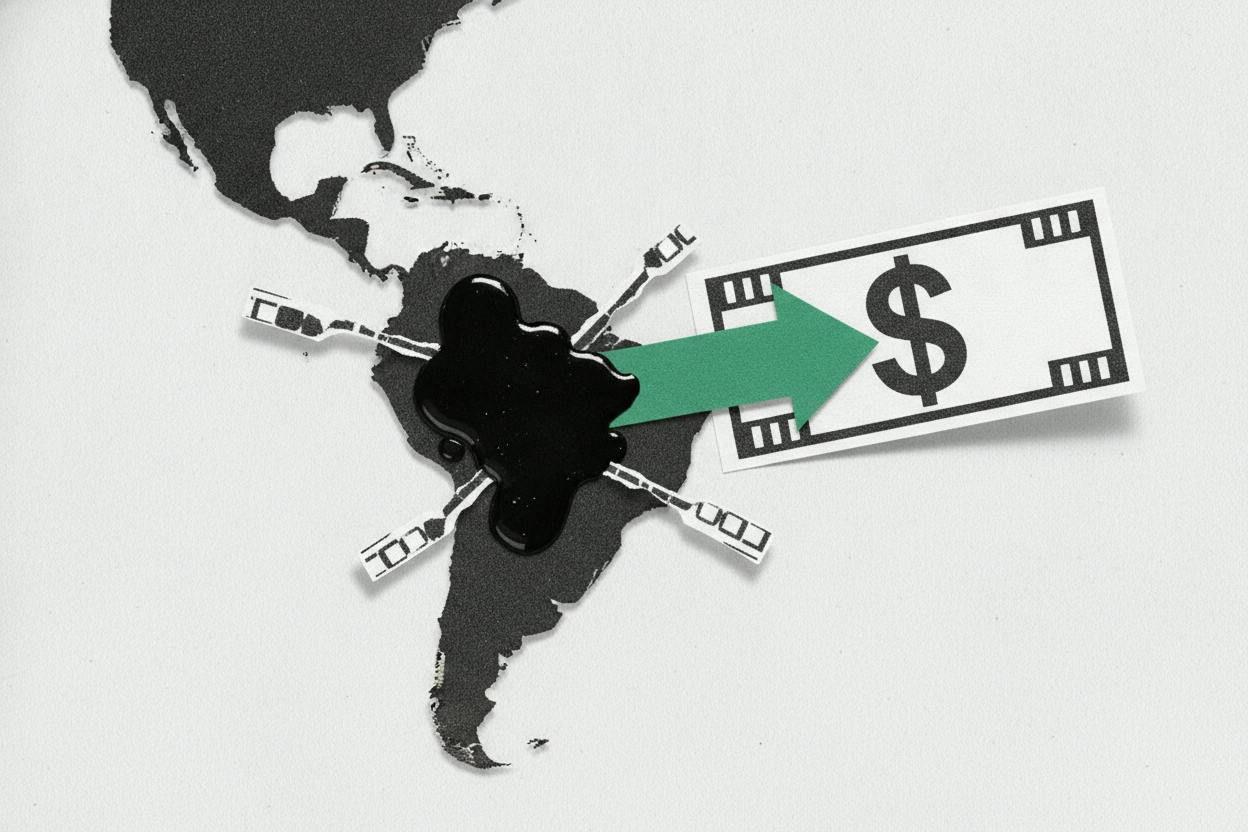
Latin American markets took a hit on [day] as a potent combination of high oil prices and a strengthening US dollar weighed on investor sentiment. MSCI's regional stock index fell 1%, and currencies across the region slid, reflecting a cautious mood among investors.
What's driving the selloff?
The immediate catalyst was a familiar one: the US dollar. As investors leaned into the greenback ahead of the release of minutes from the Federal Reserve's latest policy meeting, emerging-market assets—including those in Latin America—tend to feel the squeeze. A stronger dollar makes dollar-denominated debt more expensive to service for countries and companies that borrow in US currency, and it can also pull investment capital back toward US assets, away from riskier markets.
At the same time, oil prices hovering near $100 a barrel added another layer of pressure. While some Latin American countries are oil exporters and can benefit from higher crude prices, the broader regional picture is more complicated. For net importers, expensive oil can widen trade deficits and stoke inflation. Even for exporters, sustained high prices can create fiscal and political challenges, as governments may face pressure to spend windfall revenues or subsidize domestic fuel costs.
Fiscal strains in focus
Beyond the global forces, investors were also keeping a close eye on domestic fiscal issues in three of the region's largest economies: Mexico, Colombia, and Argentina. In Mexico, concerns about government spending and the fiscal outlook have been a recurring theme. Colombia has been grappling with its own fiscal challenges, and Argentina continues to struggle with high inflation and a fragile economic situation.
These strains can make local assets more sensitive to shifts in global risk appetite. When the dollar strengthens and oil prices rise, countries with weaker fiscal positions often see their currencies and stock markets come under greater pressure.
What does this mean for investors?
For everyday investors, the moves in Latin American markets are a reminder of how interconnected global financial conditions are. A stronger dollar doesn't just affect travelers—it can ripple through emerging-market stocks and bonds, affecting the value of international investments and the returns on mutual funds or ETFs that hold these assets.
High oil prices, meanwhile, can keep inflation elevated, which may prompt central banks to hold interest rates higher for longer. That can be a headwind for economic growth and corporate profits in the region.
Investors will be watching the Fed minutes for clues about the future path of US interest rates. If the Fed signals that rates will stay higher for longer, the dollar could remain strong, which would likely continue to pressure Latin American assets. Conversely, any hint of a more dovish stance could provide some relief.
What to watch next
Beyond the Fed, the trajectory of oil prices will be key. If crude continues to climb toward or above $100, the pressure on the region could intensify. On the other hand, a pullback in oil prices might ease some of the inflation concerns and support local currencies.
Fiscal developments in Mexico, Colombia, and Argentina will also remain in focus. Any signs of improving or deteriorating fiscal health could move markets.
For those with exposure to Latin American equities or currencies, it's worth staying informed about these global and domestic factors. As always, diversification and a long-term perspective can help weather short-term market volatility.