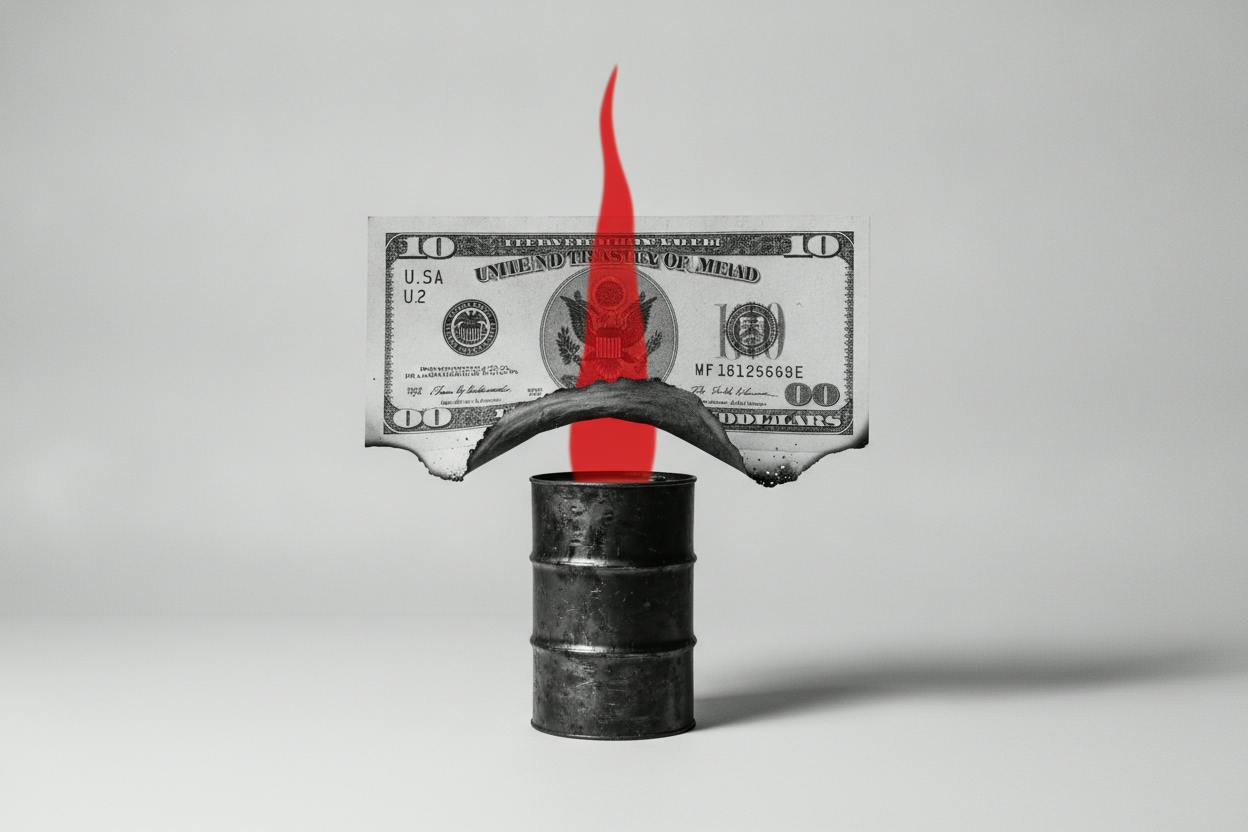
Oil prices climbed back above $100 a barrel on Tuesday, and long-term U.S. government bond yields surged to their highest levels in 24 years, a combination that rattled markets and revived familiar worries about inflation and the cost of borrowing.
Brent crude, the international benchmark, rose 1.1% to $101.69 a barrel, while U.S. crude hit $90.64. The move rekindled a concern that has haunted investors for months: expensive energy can seep into everything from shipping to utilities, making it harder for inflation to cool down.
At the same time, bond investors were dumping long-term U.S. Treasuries, pushing the 10-year yield to 5.364% and the 30-year yield to 5.696% — both the highest since 2002. The more Federal Reserve-sensitive 2-year yield sat lower at 4.783%, a pattern known as a “bear steepener,” which often signals that investors expect higher inflation and stronger economic growth ahead.
Why yields are rising
Several forces are pushing long-term yields higher. One is the sheer amount of debt the U.S. government is issuing to fund its spending. With the Treasury borrowing heavily, there is more supply of bonds on the market, which tends to push prices down and yields up.
Investors are also demanding a higher premium for holding long-term bonds, partly because they worry that inflation will stay stickier than the Fed would like. Oil above $100 adds to that concern, as energy costs feed into the prices of goods and services across the economy.
The rise in yields has been a global phenomenon, with European bank stocks sliding as the bond selloff spread. In Canada, the TSX dropped 1.33% as oil and yields rattled investors, and stocks slipped in the U.S. as the 30-year yield hit its 2002 high.
What it means for investors
For everyday investors, the move in yields has direct consequences. Higher Treasury yields tend to push up borrowing costs for mortgages, car loans, and corporate debt. That can slow economic activity and weigh on corporate profits, which is why stock markets often struggle when yields rise sharply.
Higher yields also make bonds more attractive relative to stocks, as the risk-free return on Treasuries climbs. That can pull money out of equities and into fixed income, putting additional pressure on stock prices.
For those with savings accounts or certificates of deposit, the silver lining is that yields on these products may rise as banks pass on higher rates. But for borrowers, the cost of financing big purchases is likely to stay elevated.
The oil price jump adds another layer. If energy costs stay high, they can push up inflation, which might prompt the Fed to keep interest rates higher for longer. That would keep borrowing costs elevated and could further pressure stocks.
Investors will be watching the Fed’s next moves closely, as well as any signs of cooling in the labor market or consumer spending. The combination of high oil and high yields is a tricky one for central banks, as they try to balance fighting inflation with supporting growth.
“The market is repricing for a world where inflation is stickier and the Fed may not cut rates as soon as hoped,” said one strategist, reflecting a common view among analysts.
For now, the message from the bond market is clear: investors want higher compensation for the risks of holding long-term debt. Whether that trend continues will depend on oil prices, government borrowing, and the path of inflation.