The US dollar is on pace for its biggest monthly jump in nearly a year, as traders increasingly bet that the Federal Reserve will need to raise interest rates again to tame stubborn inflation. That strength is rippling across global markets, pushing the Japanese yen to multi-decade lows, dragging gold and bitcoin lower, and putting pressure on currencies from the euro to the British pound.
What's driving the dollar higher?
Investors are recalibrating their expectations for US interest rates ahead of key inflation data. Economists polled by Reuters expect the Fed's preferred inflation gauge—the core Personal Consumption Expenditures (PCE) price index—to have run at 3.4% year-on-year in May, well above the central bank's 2% target. That has revived talk of at least one more rate hike, pushing short-term US bond yields higher than those of other major economies.
Wider interest rate differentials tend to attract capital into dollar-denominated assets, as investors seek higher returns. The US Dollar Index (DXY), which measures the greenback against a basket of major currencies, has been hovering around 101.5 after touching a 13-month high of 101.8. The euro has dipped below $1.14, sterling has slid toward $1.316, and the yen has hovered around 161.9 per dollar—near its weakest level in decades.
Yen under pressure, intervention risk looms
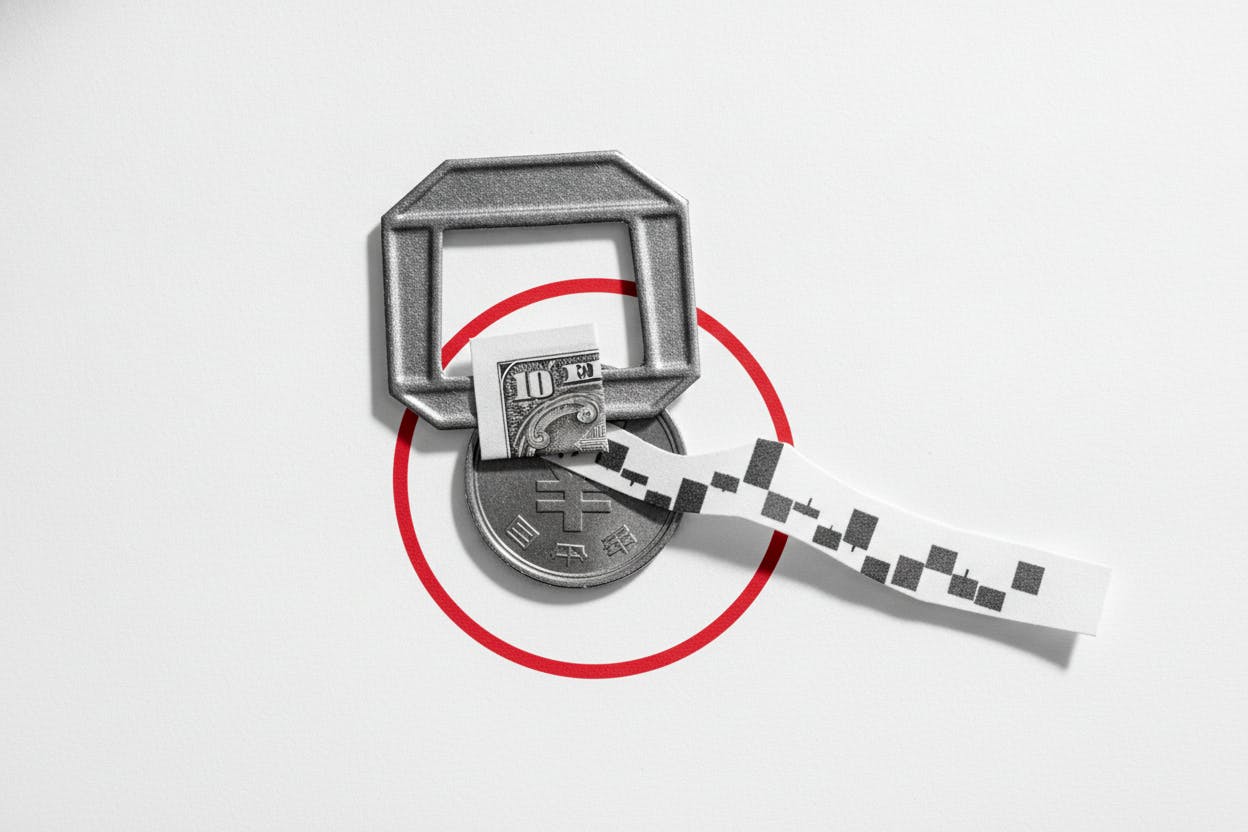
The yen's slide has been particularly stark. At around 162 per dollar, the currency is testing a level that traders view as a potential trigger for intervention by Japanese authorities. Japan's Ministry of Finance has historically stepped in to buy yen and sell dollars when the currency weakens too quickly, but the threat alone can roil markets.
SMBC, one of Japan's largest banks, has warned that an "accumulation of yen shorts"—bets that the yen will weaken further—could make any official move more disruptive. If investors are crowded into those trades, even the hint of intervention can force rapid "short covering," where traders buy back yen to close out positions, triggering stop-loss orders and turning a gradual decline into a sharp spike. That volatility can hit leveraged carry trades that depend on steady, one-way moves, even before any actual intervention occurs.
For context, the yen's weakness is part of a broader story of diverging monetary policy. While the Fed has held rates high, the Bank of Japan has kept its policy ultra-loose, creating a persistent yield gap that has weighed on the yen for years. The recent move has brought the currency back to levels not seen since the 1980s, when Japan's economic bubble was inflating.
Gold and bitcoin feel the pinch
A stronger dollar also tends to weigh on assets priced in dollars, because they become more expensive for buyers using other currencies. That dynamic helps explain why gold has slipped and bitcoin has dropped below $60,000.
Gold, often seen as a store of value and a hedge against inflation, has struggled as the dollar strengthens and bond yields rise, making non-yielding assets less attractive. Bitcoin and other cryptocurrencies have also come under pressure, as the stronger dollar tightens liquidity and reduces risk appetite across speculative assets.
For everyday investors, the message is clear: a rising dollar can create headwinds for a wide range of holdings, from precious metals to digital assets. It can also affect international stock funds, as a stronger dollar reduces the value of overseas returns when converted back to US dollars.
What to watch next
All eyes are on the upcoming core PCE inflation data, due later this week. If the reading comes in hotter than expected, it could reinforce the case for a rate hike and push the dollar even higher. If it surprises to the downside, the dollar could give back some of its gains, offering relief to the yen, gold, and bitcoin.
Investors should also watch for any signals from the Bank of Japan or the Ministry of Finance. Intervention in the yen could cause a sharp, short-term reversal in the dollar's rally, but it would not change the underlying interest rate dynamics that have driven the greenback higher.
For now, the stronger dollar is bending markets in ways that touch nearly every corner of global finance—from currency traders in Tokyo to crypto investors in New York. Understanding those connections is key to navigating the current environment.