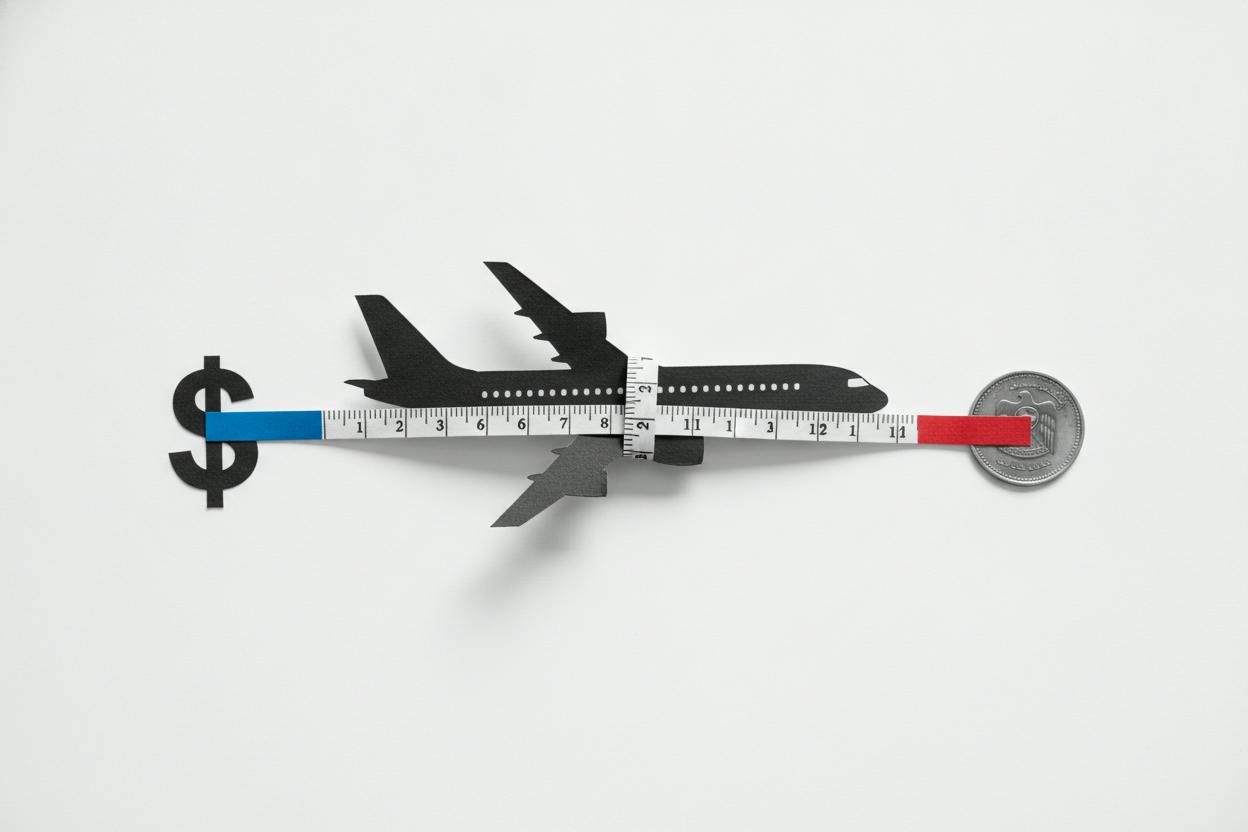
Dubai Aerospace Enterprise (DAE), one of the world's largest aircraft leasing companies, is arranging a seven-year loan worth approximately $2.1 billion, according to a Bloomberg report. The financing could be structured in two tranches: one in US dollars and one in UAE dirhams, with pricing linked to two benchmark interest rates—SOFR for the dollar portion and EIBOR for the dirham portion.
For everyday investors, this is a reminder that major corporate financing deals can ripple through markets, affecting everything from bank lending capacity to the cost of capital for companies in the aviation sector.
What is Dubai Aerospace Enterprise?
DAE is a Dubai-based aircraft leasing and maintenance company. It owns and manages a large fleet of commercial aircraft that it leases to airlines around the world. Aircraft leasing is a capital-intensive business—leasing companies buy planes from manufacturers like Boeing and Airbus and then rent them to carriers, earning steady income over multi-year contracts.
Because these companies need huge amounts of money to buy aircraft, they frequently tap debt markets. A $2.1 billion loan is a significant but not unusual raise for a major lessor, reflecting the scale of their operations and the ongoing demand for air travel.
Why the loan structure matters
The loan is expected to be split into US dollar and UAE dirham tranches. The dollar tranche would be priced off SOFR (Secured Overnight Financing Rate), the benchmark that replaced LIBOR for dollar-denominated loans. The dirham tranche would be tied to EIBOR (Emirates Interbank Offered Rate), the UAE's equivalent benchmark.
Using two different benchmarks allows DAE to match its funding costs with its revenue streams. Since many of its leases are in dollars, a dollar tranche provides a natural hedge. The dirham tranche, meanwhile, taps local liquidity and may offer more favorable terms given the UAE's strong banking sector.
This kind of dual-currency financing is common for companies operating across borders, and it highlights how global capital markets work—borrowers can choose the currency and rate structure that best fits their needs.
What it means for investors
For investors, the loan signals confidence in DAE's creditworthiness and the broader aviation sector. Banks are willing to lend $2.1 billion over seven years, which suggests they see stable cash flows and manageable risk. That's a positive sign for the industry, especially as airlines continue to recover from the pandemic and expand their fleets.
However, it also underscores the heavy debt load that leasing companies carry. Their profitability depends on the spread between the interest they pay on debt and the rental income they earn from airlines. If interest rates rise, as they have in recent years, that spread can narrow, squeezing margins.
Investors in airline and aerospace stocks should watch how DAE's financing costs evolve. A successful loan at competitive rates could indicate that lenders are comfortable with the sector's outlook. Conversely, if borrowing costs climb, it could pressure leasing companies and, indirectly, the airlines that rely on them.
For those with exposure to UAE banks, the loan also represents business opportunity—local banks may participate in the dirham tranche, earning fees and interest income.
Broader context
The aircraft leasing market has been resilient, driven by strong travel demand and airlines' preference for flexible fleet options. Leasing companies like DAE, AerCap, and Avolon have been active in the debt markets, refinancing existing debt and funding new aircraft deliveries.
This deal comes at a time when global aviation is navigating challenges such as supply chain disruptions and rising fuel costs, but passenger traffic continues to grow. The loan's seven-year tenor suggests DAE is planning for the long term, aligning its debt with the useful life of its aircraft.
For investors, the key takeaway is that large-scale corporate financing activity like this is a barometer of market sentiment. When companies can raise substantial funds at reasonable rates, it often reflects broader economic stability and investor confidence.
As always, it's important to consider how such deals fit into your own portfolio. While this news is specific to DAE, it offers a window into the health of the aviation and financial sectors—industries that many investors are exposed to through stocks, ETFs, or mutual funds.
In the coming weeks, market watchers will likely focus on the final terms of the loan, including the interest rate margins and the level of bank participation. A successful closing would be another sign that the aviation financing market remains robust.