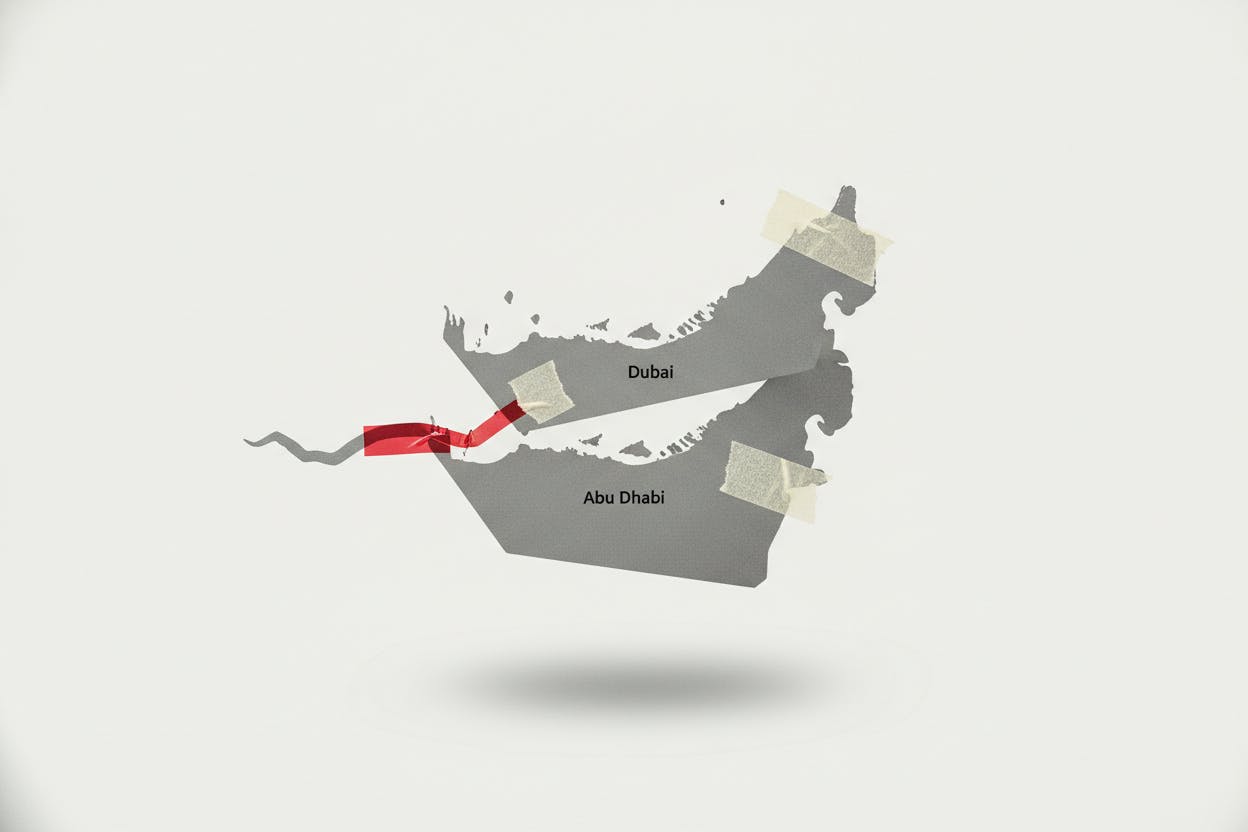
Stock markets in the United Arab Emirates moved in opposite directions on [day], with Dubai's main index gaining 0.5% while Abu Dhabi's slipped 0.3%. The split came as investors balanced fresh regional security concerns against a steady stream of corporate earnings reports.
Dubai's advance was led by two of its largest listed companies. Emirates NBD, one of the biggest banks in the UAE, rose 1.8%, while Dubai Electricity and Water Authority (DEWA), the emirate's regulated utility, added 1.5%. Those gains helped offset a 0.9% decline in Emaar Properties, the developer behind the Burj Khalifa, even though the company reported higher second-quarter profit.
In Abu Dhabi, the picture was reversed. International Holding, a sprawling conglomerate with interests ranging from healthcare to real estate, fell 0.6%, dragging the index lower. That decline came despite a 1.2% rise in ADNOC Gas, the state-controlled natural gas producer, which was trading ahead of its own earnings release.
Why regional security is on investors' minds
The divergent moves come as investors in the Gulf keep a close eye on geopolitical tensions across the Middle East. Shipping lanes, energy infrastructure, and broader regional stability are all factors that can move markets in the UAE, which sits at the crossroads of global trade and energy flows.
Fresh security risks have a direct impact on investor sentiment because they can disrupt supply chains, push up oil prices, and raise the cost of doing business. For a market like the UAE, where many companies are tied to tourism, logistics, and energy, any escalation can quickly translate into share price swings.
That said, the market's reaction has been relatively muted so far. Dubai's gain and Abu Dhabi's modest decline suggest investors are not panicking, but rather adjusting positions as they weigh the risks against the fundamentals of individual companies.
Corporate earnings take a back seat
Earnings season is in full swing across the Gulf, and the latest reports have been a mixed bag. Emaar Properties, for instance, posted higher second-quarter profit, yet its shares still fell. That kind of reaction is not unusual when a company's results meet expectations but fail to surprise to the upside, or when broader market worries overshadow the numbers.
Emirates NBD's rise, on the other hand, shows that solid bank earnings can still win over investors, especially when interest rates remain elevated and lending margins are healthy. DEWA's gain reflects the appeal of regulated utilities, which offer predictable cash flows and are often seen as defensive plays in uncertain times.
ADNOC Gas climbing ahead of its earnings report suggests investors are optimistic about the company's outlook, likely due to strong natural gas prices and steady demand.
What it means for everyday investors
For investors with exposure to UAE stocks, the key takeaway is that regional security risks can create short-term volatility, but they don't necessarily derail the market. Dubai's resilience shows that strong company fundamentals can still support share prices even when geopolitical headlines are worrying.
Diversification remains important. The split between Dubai and Abu Dhabi highlights how different sectors and companies can perform differently under the same macro conditions. A portfolio that holds both banks and utilities, for example, may be better positioned than one concentrated in a single sector.
Investors should also keep an eye on oil prices. Rising tensions in the region often push crude higher, which can benefit energy companies like ADNOC Gas but may weigh on other sectors that depend on stable input costs. The recent rise in oil prices has helped emerging markets hold steady, and the same dynamic is at play in the Gulf.
Looking ahead, the focus will likely remain on earnings reports and any further developments on the security front. If tensions ease, expect investors to shift their attention back to corporate results and economic data. If they escalate, expect more volatility across the region's markets.
For now, the UAE market is showing that it can absorb geopolitical shocks without a major selloff. That's a sign of maturity, but it doesn't mean investors should be complacent. Keeping a close watch on both the headlines and the earnings calendar is the best way to navigate these uncertain times.