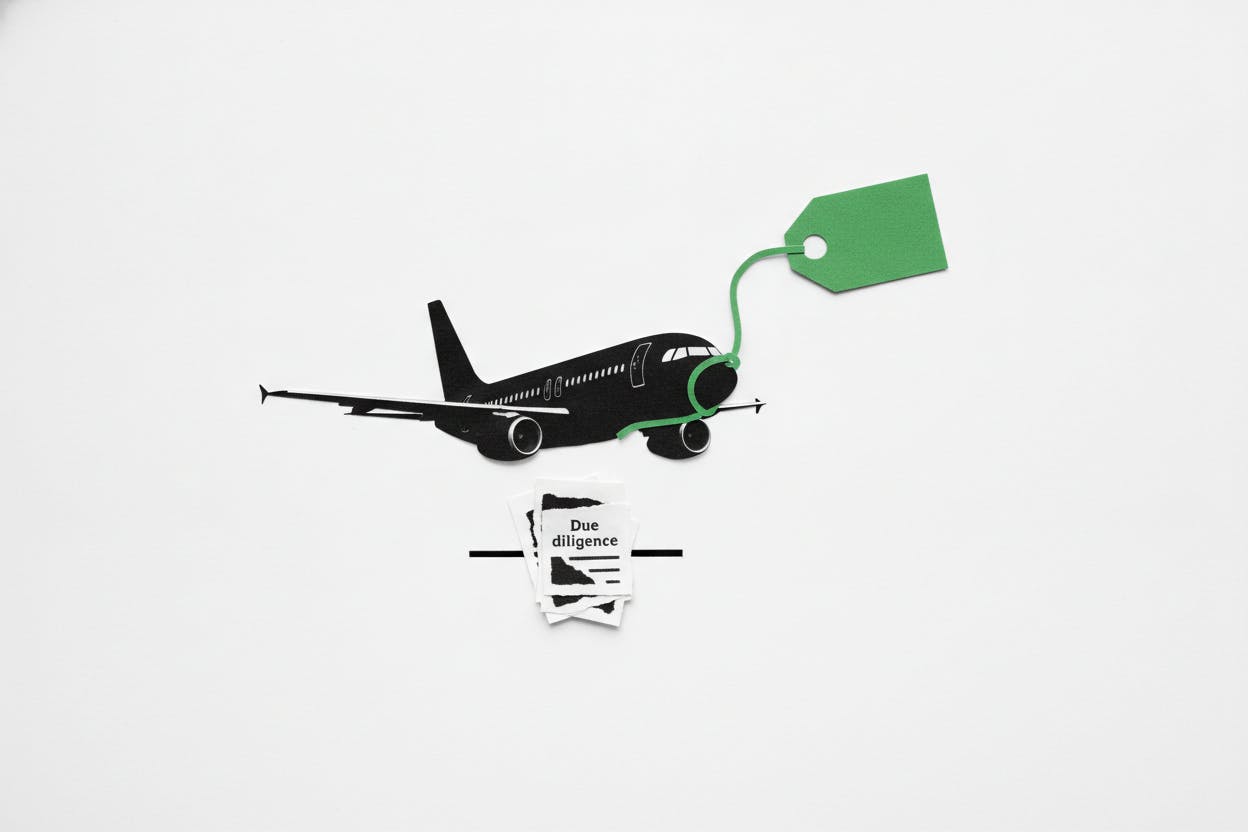
Budget airline easyJet has rejected a fourth takeover approach from US investment firm Castlelake, this time valued at £4.93 billion ($6.50 billion). The board said the offer still undervalues the company, but it has agreed to give Castlelake limited access to commercial information — a move that keeps the door open for a potential deal.
What happened
Castlelake, which already holds a stake in easyJet, has been circling the airline for months. Each offer has been higher than the last, but easyJet's board has consistently said no. The latest bid of £4.93 billion represents a sweetened price, but the board believes it does not reflect the airline's true worth or its future prospects.
Despite the rejection, easyJet is offering Castlelake limited access to some commercial data. This is a common step in takeover talks: it allows the potential buyer to check key assumptions — like forward bookings, fuel costs, and lease obligations — without the seller committing to a deal. This process, known as due diligence, helps reduce uncertainty for the bidder.
Why this matters for investors
Takeover battles like this one can create a tug-of-war in the stock market. easyJet's shares are likely to trade somewhere between the value investors would place on the company if no deal happens and the £4.93 billion reference point. The gap between those two numbers becomes a live scorecard of how likely the market thinks a deal is.
By allowing Castlelake to review commercial information, easyJet is reducing the risk of nasty surprises — things that could kill a deal after a price is agreed. As that uncertainty shrinks, Castlelake faces a choice: come back with a higher, better-informed offer, or walk away with more confidence that the numbers don't work.
This pattern is becoming more common in the UK market. Bids are being tested, rejected, and sometimes reworked as buyers look for value and boards try to hold the line. In that environment, deal-specific updates can move individual shares even when the wider market mood is cautious.
What to watch next
Investors should keep an eye on easyJet's share price and any further announcements from either side. If Castlelake returns with a fifth offer, it will likely be higher and based on the data it now has access to. If it walks away, easyJet's shares could fall back to pre-bid levels.
For now, the ball is in Castlelake's court. The limited access to information gives it a clearer picture of easyJet's financial health and outlook. That could either justify a higher bid or confirm that the current price is already too generous.
In the broader market, similar dynamics are playing out elsewhere. For example, Bain Capital is nearing a €8-9 billion buyout of Volkswagen's marine engine unit, and Sky is close to a £1.6 billion deal to buy ITV's channels. These deals show that private equity and strategic buyers are still active, even in a cautious market.
The bottom line
EasyJet's rejection of Castlelake's £4.93 billion bid is not the end of the story. By offering limited access to commercial information, the airline is keeping negotiations alive while signaling that it wants a higher price. For everyday investors, the key takeaway is that easyJet's shares are now a bet on whether a deal gets done — and at what price.
As always, no one should make investment decisions based solely on takeover speculation. But understanding the dynamics of this bid — and the signals the board is sending — can help investors make sense of the stock's movements.