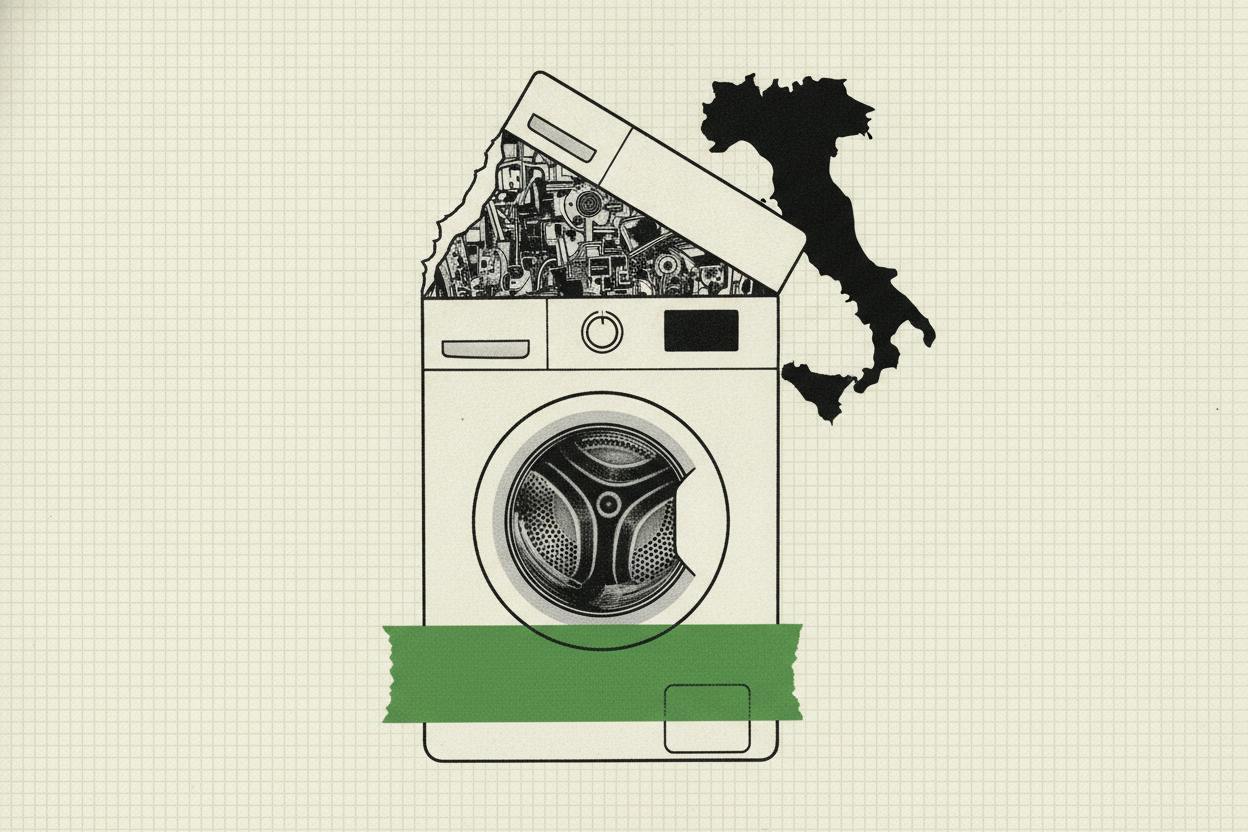
Swedish appliance maker Electrolux has reached a late-night agreement with Italy's government and unions that significantly reduces planned job cuts and commits more than €100 million to its Italian operations. The deal, struck after 30 hours of talks in Rome, caps redundancies for permanent staff at 918 over the next three years—down from the 1,719 flagged earlier this year.
According to union and government statements, all exits will be voluntary and incentivized, with no compulsory layoffs. The company also pledged to keep every Italian site running, including the Cerreto d'Esi plant, which had been at the center of uncertainty.
Background: Why Electrolux was cutting jobs
Electrolux, one of the world's largest home appliance manufacturers, had earlier this year announced plans to reduce its Italian workforce as part of a broader restructuring effort. The company has been grappling with weak consumer demand, rising raw material costs, and intense competition in Europe. Italy is a key production hub for the company, with several plants employing thousands of workers.
The initial plan to cut 1,719 jobs had sparked strong opposition from unions and local politicians, who feared the closures would devastate regional economies. The Cerreto d'Esi plant, located in the Marche region, was seen as particularly vulnerable.
The negotiations took place against a backdrop of persistent cost pressures in Italy's services sector, which have been a concern for policymakers and businesses alike. The deal is seen as a victory for the Italian government, which has been keen to protect manufacturing jobs.
What the deal means for Electrolux and its workers
The agreement reduces the number of job losses by nearly half, from 1,719 to 918. Crucially, the redundancies will be voluntary, meaning workers who choose to leave will receive incentives, and no one will be forced out against their will. This is a significant concession from the company, which had originally planned compulsory layoffs.
Keeping all Italian sites operational, including Cerreto d'Esi, is another major point. The company has committed to investing more than €100 million in its local operations, which could help modernize plants and improve productivity. For workers, this provides some job security, though the next three years will still see a gradual reduction in headcount.
For Electrolux, the deal allows it to cut costs while avoiding a prolonged and damaging conflict with unions. The company has said the restructuring is necessary to remain competitive in a tough market. By making the cuts voluntary, it also reduces the risk of strikes or production disruptions.
What it means for investors
For investors, this deal removes a significant overhang. The uncertainty around the scale of job cuts and potential plant closures had weighed on Electrolux shares. The agreement provides clarity on the company's restructuring costs and timeline, which could help the company meet its financial targets.
However, the €100 million investment pledge is a substantial outlay, and the company will need to show that it can generate returns from these investments. Investors will be watching Electrolux's next earnings report for signs that the restructuring is on track and that the cost savings are materializing.
The deal also highlights the broader challenges facing European manufacturers, which are dealing with high energy costs, supply chain disruptions, and weak consumer confidence. Trade tensions and energy price volatility have added to the uncertainty, though recent talks have eased some concerns.
For everyday investors, this story is a reminder that corporate restructurings can be long and complex, but they are often necessary for companies to adapt. The key is to monitor whether companies like Electrolux can execute their plans without damaging their long-term growth prospects.
The Italian government's involvement in the talks underscores the political sensitivity of job cuts in the region. Italy's economic data has been mixed, and protecting manufacturing jobs is a priority for the government.
Overall, the deal is a balanced outcome: Electrolux gets cost reductions, workers get some security, and the government can claim a win. The next step will be to see how the voluntary redundancy program is implemented and whether the company can deliver on its investment promises.