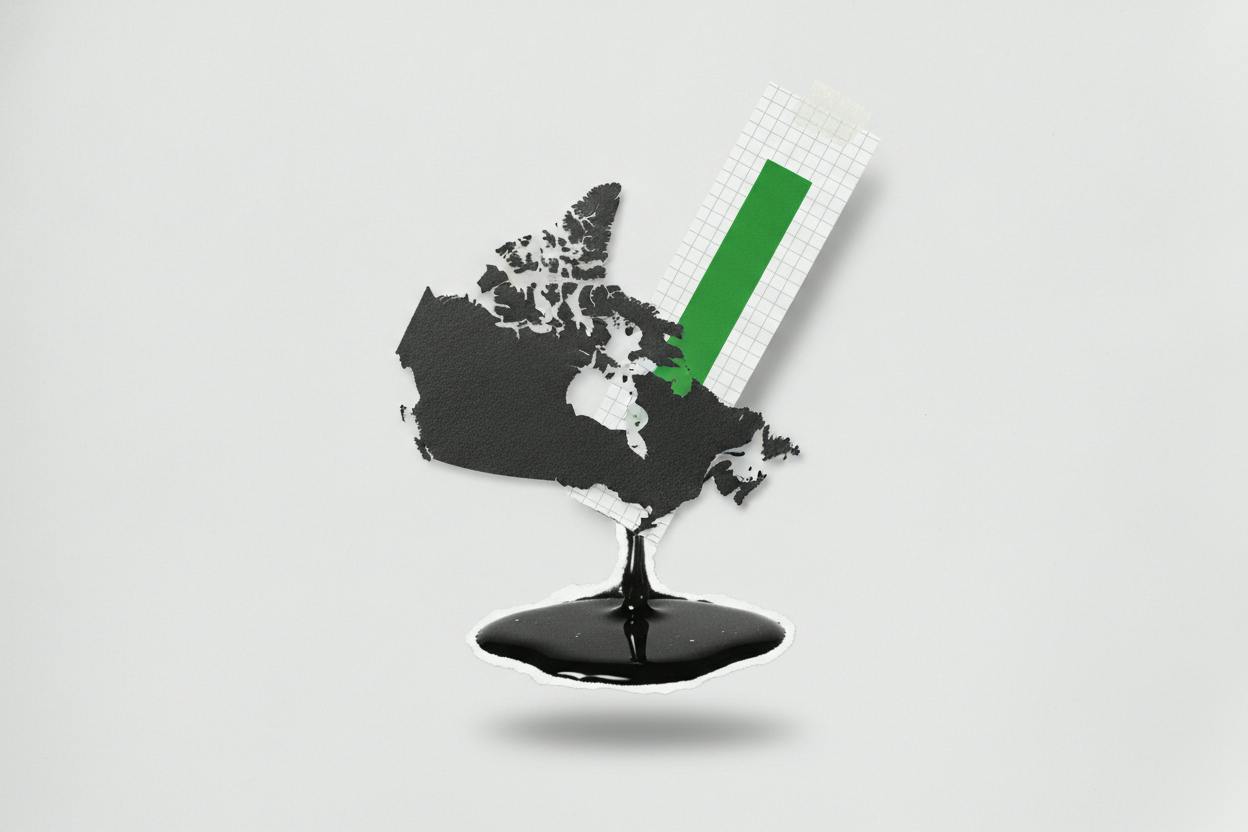
Canada's benchmark stock index climbed on Wednesday, with the S&P/TSX Composite rising 1.3% (about 465 points) as investors welcomed signs that US-Canada trade negotiations are making headway. Financial and telecom stocks led the advance, each gaining roughly 1.9%, while energy shares fell nearly 4% as crude oil dropped for a third straight session.
Trade talks ease the 'tax' on confidence
The rally was driven by optimism over the trade front. Reports indicated that the two countries are moving closer to a deal, with Prime Minister Mark Carney saying US demands were “less onerous” and that Washington was willing to “offer more.” For investors, this matters because trade policy uncertainty acts like a tax on confidence: companies delay hiring and investment, and shareholders demand a higher return to hold stocks whose profits depend on the domestic economy.
When that uncertainty eases, the extra premium investors want can shrink, which can lift valuations quickly—especially in rate-sensitive sectors like banks and telecoms. Those groups are tightly tied to Canadian household and business activity, so they often react first when headlines reduce the range of possible “bad outcomes” on trade rules and tariffs.
Energy drags as oil slides
The energy sector was the clear exception. With crude prices down for a third straight day, oil-linked stocks tumbled nearly 4%. This highlights how Canada's market can be pulled in two directions when politics and commodities move at the same time. While trade progress boosts domestic-focused sectors, the energy-heavy parts of the index remain at the mercy of global oil supply and demand dynamics.
For context, oil prices have been under pressure recently due to concerns about global demand and ample supply. When crude falls, energy companies' earnings outlooks weaken, and investors often sell those shares. This dynamic is a reminder that the TSX is not a single bet—it's a mix of sectors that can respond very differently to the same news.
What it means for investors
For Canadian investors, Wednesday's session is a lesson in separating “policy days” from “commodity days.” On a policy day, progress on trade talks can lower the premium markets charge for domestic earnings, boosting banks and telecoms. On a commodity day, oil prices can dominate the outlook for energy-heavy parts of the index.
This split also underscores the importance of diversification. An investor heavily weighted in energy stocks may have felt the pain of the day's decline, while those with broader exposure to financials and telecoms saw gains. The TSX's move shows that even within a single market, different sectors can tell very different stories.
Looking ahead, investors will be watching for further details from the trade negotiations and any signs of a breakthrough. A formal agreement could provide a sustained boost to Canadian stocks, particularly those tied to domestic growth. On the commodity side, oil prices will continue to be a key driver for energy shares, and any stabilization in crude could help the sector recover.
For now, the market's reaction suggests that trade clarity is being welcomed, but the energy drag is a reminder that not all parts of the index are moving in the same direction. As always, keeping an eye on both policy headlines and commodity prices will be crucial for anyone tracking Canadian equities.