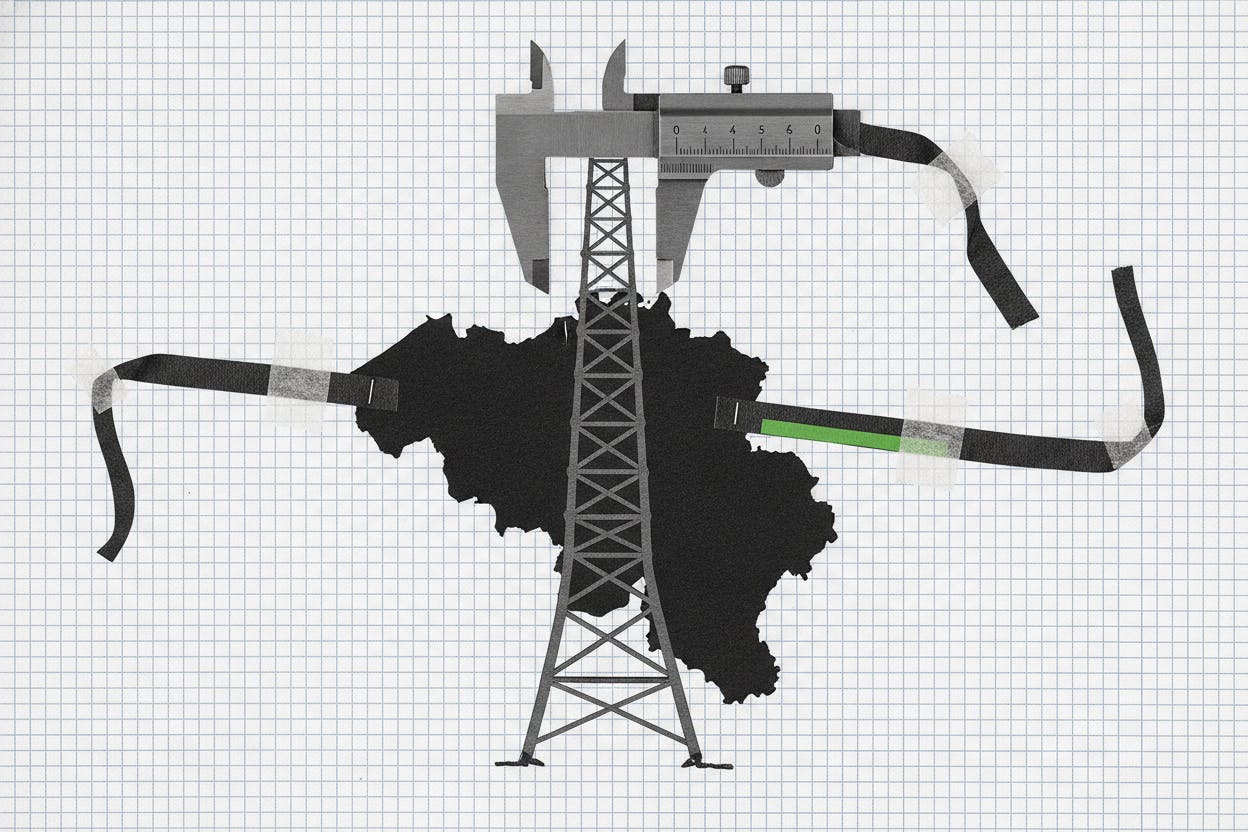
Elia, the Belgian power transmission operator, reported first-half revenue of €2.56 billion, an 18% increase from the same period last year, as Europe's push to modernize its electricity grid continues to accelerate. The company also reaffirmed its 2026 net profit target of €690-740 million, signaling confidence in its multiyear investment plan.
What drove the results
Elia attributed the revenue growth to higher regulatory returns and an expanding regulated asset base — the pool of approved infrastructure projects on which regulators allow the company to earn a fixed return. As Elia builds more transmission lines, substations and interconnectors, more of its spending qualifies for that base, which tends to lift earnings in a predictable, utility-like fashion.
The company kept its annual investment plan at roughly €6.5 billion, underscoring the scale of grid upgrades needed to accommodate renewable energy expansion and cross-border power flows. Europe's grid spending wave has been a tailwind for transmission operators like Elia, as governments and regulators prioritize network resilience and capacity.
Context: Europe's grid spending wave
Elia operates high-voltage grids in Belgium and Germany, two countries at the heart of Europe's energy transition. The push to connect offshore wind farms, integrate solar power and strengthen cross-border links has driven a surge in capital spending across the sector. Regulators in both countries have allowed Elia to recover those costs through tariffs, providing a stable revenue stream.
The company's reaffirmed 2026 profit target of €690-740 million suggests management expects the investment cycle to continue generating returns for several more years. That target is based on the current regulatory framework and assumes no major changes in grid usage or cost recovery rules.
What it means for investors
For everyday investors, Elia's results highlight the steady, long-term nature of regulated utility earnings. Unlike companies that depend on volatile commodity prices or consumer demand, grid operators earn a regulated return on approved projects, making their cash flows relatively predictable. That can appeal to investors seeking income and stability, especially in uncertain economic times.
However, the sector is not without risks. Regulatory changes, construction delays or cost overruns could pressure returns. Elia's large investment program also means it relies on debt and equity markets for funding, so rising interest rates could increase financing costs. The company's ability to maintain its dividend and profit targets will depend on executing its buildout on time and on budget.
Investors should also watch for updates on Elia's German operations, which account for a significant portion of its asset base. Germany's energy transition plans are ambitious, but regulatory approvals and grid connection timelines can be unpredictable.
Broader market backdrop
Elia's results come as other infrastructure-focused companies also report strong demand. For example, Nvidia is reportedly behind Hut 8's $50 billion Texas data center lease, highlighting the parallel boom in energy-intensive data centers that require grid connections. Similarly, Sime Darby Property launched a 2.6 billion ringgit green sukuk for data center construction, showing how grid and power infrastructure are becoming central to multiple industries.
On the financing side, Canada ramped up T-bill issuance to cover C$309 billion in maturing debt, a reminder that governments and utilities alike are navigating higher borrowing costs. Elia's ability to fund its €6.5 billion annual investment plan will depend partly on favorable credit conditions.
Looking ahead
Elia's second-half performance will be closely watched for signs of project execution and regulatory developments. The company's 2026 profit target provides a clear benchmark, but quarterly updates on its regulated asset base and capital spending will offer more immediate clues. For now, the first-half results suggest the grid buildout is on track, delivering the steady growth that utility investors expect.