Emerging-market stocks rallied sharply on Friday, as a weaker-than-expected US jobs report cooled fears of further Federal Reserve interest rate hikes and sent the dollar tumbling. The MSCI emerging market equity index climbed 2.2%, according to Reuters, with tech-heavy markets like South Korea leading the charge.
The catalyst was US data: the June jobs report showed softer hiring than economists had forecast, prompting traders to dial back expectations for additional Fed rate increases. That shift in sentiment rippled through global markets, lifting so-called growth stocks by easing concerns about higher borrowing costs and making distant future profits look more valuable today.
Dollar Drop Boosts Emerging Economies
The dollar weakened sharply on the news. Reuters reported that the greenback was on track for its steepest weekly decline in 12 weeks. A weaker dollar is often a tailwind for emerging markets because it reduces the burden of dollar-denominated debt for many developing countries and tends to improve global risk appetite.
The impact was immediate. MSCI's emerging market currency index gained 0.4%, reflecting broad strength in local currencies. South Korea's Kospi index jumped about 6%, driven by a rebound in chip stocks, which are particularly sensitive to interest rate expectations and global demand cycles.
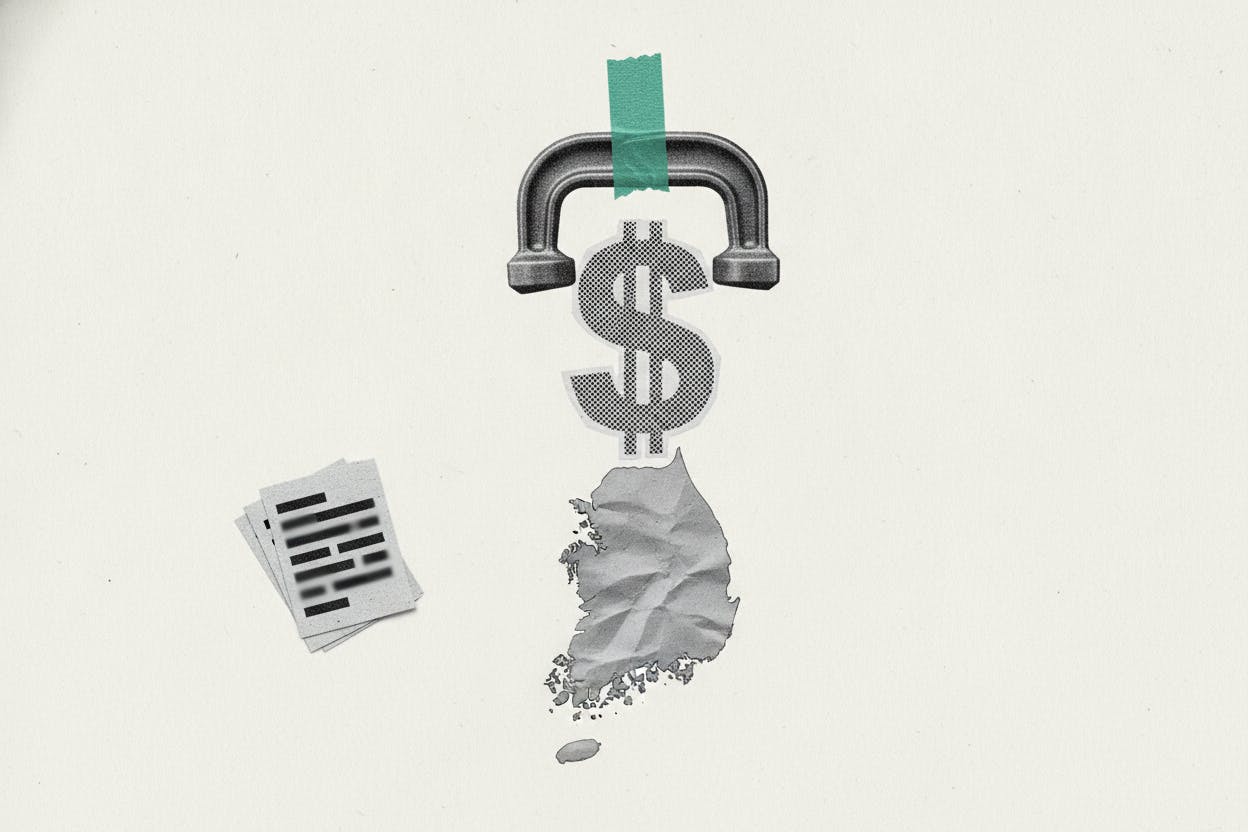
This dynamic is what some analysts call the "dollar lever." When markets price in fewer Fed rate hikes, US bond yields typically fall and the dollar slips. That can mechanically boost returns for dollar-based investors in emerging markets, as local currencies appreciate. It can also ease financing stress for companies and governments that owe money in dollars, which is why even tech-heavy benchmarks can move significantly on macro news alone.
Caution from Analysts
Despite the strong rally, some analysts urged caution. ING, a Dutch bank, warned that the dollar may not be in a lasting downtrend, suggesting the move could reverse if upcoming US data reignites rate hike fears. Barclays, a UK bank, noted that emerging market bond and equity fund flows were broadly flat in the week to July 1st, hinting that the price action is leading actual cash flows rather than being supported by fresh investor inflows.
"The risk is durability," the report said. If the rebound is mostly driven by rate expectations and currency math, it can reverse quickly if the next US data point brings back hike fears. Barclays' observation that fund flows were flat suggests the rally may need ongoing dollar weakness to sustain itself, matching ING's cautious outlook.
Other markets also felt the ripple effects. Hong Kong stocks jumped 1.3% on the same data, while New Zealand stocks edged higher as rate cut hopes grew. The dollar slipped broadly, and currencies like the yuan headed for its first weekly gain in three weeks.
What It Means for Investors
For everyday investors, Friday's move is a reminder of how interconnected global markets are. A single US economic data point can shift the outlook for interest rates, which in turn affects currencies, stocks, and bonds around the world. Emerging markets, in particular, are sensitive to US rate expectations because many of their companies borrow in dollars and their currencies tend to weaken when the dollar strengthens.
The key question now is whether this is the start of a sustained shift or just a temporary reprieve. If the US economy continues to cool, the Fed may indeed pause or even cut rates, which would likely keep the dollar under pressure and support emerging markets. But if inflation proves sticky or the labor market tightens again, the dollar could rebound, and the recent gains could evaporate.
Investors should watch upcoming US economic data, especially inflation readings and jobless claims, for clues about the Fed's next move. They should also monitor emerging market fund flows to see if the price action is backed by real money or just short-term speculation.
For now, the bounce is a welcome relief for emerging market investors, but the sustainability of the rally remains uncertain. As ING and Barclays both suggest, the dollar's path and the strength of investor conviction will be critical to watch in the weeks ahead.