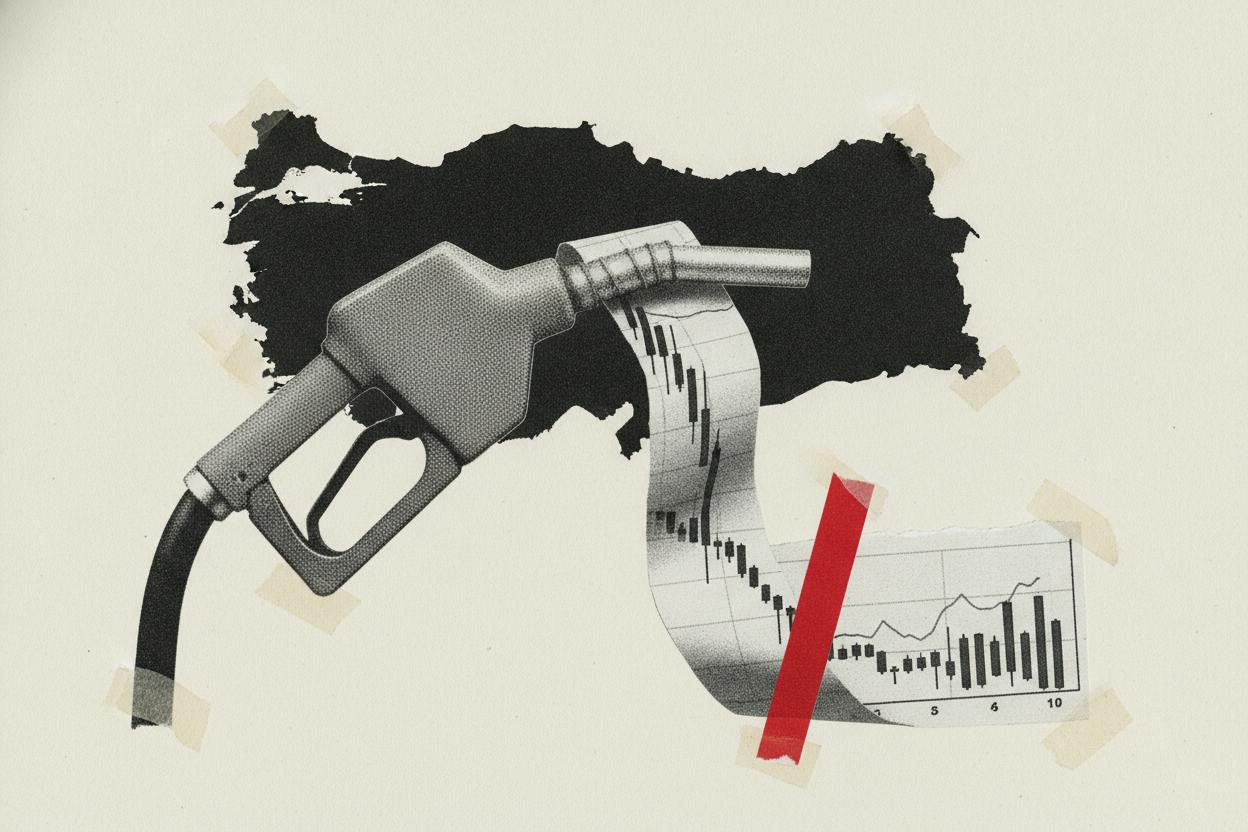
Emerging-market stocks are having another rough week. MSCI's key emerging-market index was set for a fourth consecutive weekly loss, dragged down by a jump in oil prices to five-month highs and a new Turkish law that has spooked local investors.
The sell-off reflects a familiar set of pressures: rising energy costs, nervousness about artificial-intelligence spending, and the delicate budget calculations that many developing economies are wrestling with.
Oil's ripple effect
Higher oil prices are a straightforward problem with messy knock-on effects. Many emerging economies are net importers of fuel, so when crude climbs, their import bills swell. That can push inflation back up, weaken local currencies, and force central banks to keep interest rates higher for longer—even as governments try to rein in budget deficits.
This policy squeeze is already showing up in places where investors are watching the "budget math" closely. Reuters pointed to uncertainty around Hungary's fiscal plans, and similar concerns are echoing across other markets. When borrowing costs stay elevated, it becomes more expensive for governments to service debt, which can undermine confidence in their currencies and bonds.
Oil's rise has been driven by a mix of supply concerns and geopolitical tensions, including recent attacks in the Middle East. As we noted in our coverage of oil hitting a five-month high, such spikes tend to hit emerging markets hardest because they are often more sensitive to energy price swings.
Turkey's fund-liquidation law
Adding to the regional stress, Turkey's new fund-liquidation law has rattled local stocks. The legislation, which allows for the liquidation of certain investment funds, has created uncertainty among Turkish investors, who are already dealing with high inflation and a volatile currency.
The law is part of a broader effort to tighten financial regulation, but the immediate effect has been to spook markets. Turkish equities have been under pressure, and the lira's weakness has compounded the problem. For international investors, this is a reminder that regulatory changes in emerging markets can carry significant risks.
AI nerves add to the mix
Beyond oil and Turkey, a broader anxiety about artificial intelligence spending is weighing on tech-heavy emerging markets. Recent moves by big tech firms to pour billions into AI infrastructure have raised questions about whether those investments will pay off. When sentiment turns cautious, investors often pull back from riskier assets, including emerging-market tech stocks.
This dynamic has been visible across Asia, where Meta's AI spending spooked tech investors and contributed to a slide in regional equities. The ripple effects are also showing up in currency markets, with the rupee slipping as oil and AI jitters rattle markets.
What it means for investors
For everyday investors, the current turbulence in emerging markets is a reminder of the asset class's inherent volatility. Emerging-market stocks can offer higher growth potential, but they come with added risks—currency swings, political instability, and sensitivity to global commodity prices.
When oil prices rise, it's not just a story about energy companies. It affects the cost of living in many developing countries, which in turn influences corporate earnings and government finances. Similarly, regulatory changes like Turkey's fund law can create sudden, sharp moves in local markets.
Investors with exposure to emerging markets should be prepared for continued ups and downs. Diversification across regions and sectors can help cushion the blow, but it doesn't eliminate risk. As always, it's important to focus on long-term goals rather than reacting to short-term headlines.
For those looking to understand how to navigate these choppy waters, our guide on riding the tech tiger in emerging markets offers practical insights.
The road ahead
Looking forward, investors will be watching several key factors. Oil prices will remain a central focus—if crude continues to climb, expect more pressure on emerging-market currencies and bonds. Central banks in these economies will also be in the spotlight, as they balance the need to fight inflation with the desire to support growth.
Turkey's situation bears close monitoring, as the full impact of the fund-liquidation law becomes clearer. And in the broader tech sector, any signs that AI spending is slowing—or accelerating—could shift sentiment quickly.
For now, the message from the markets is cautious. Emerging markets are facing a tough combination of higher energy costs, tighter financial conditions, and lingering uncertainty about the global tech cycle. That's a recipe for continued volatility, and investors should brace for more bumps ahead.