EMP Metals has reached a key milestone in its push to produce lithium from underground brine, announcing that construction of its Project Aurora demonstration plant in Saskatchewan is complete. The company says the plant is on track to begin operations in the third quarter, with brine already flowing through the system.
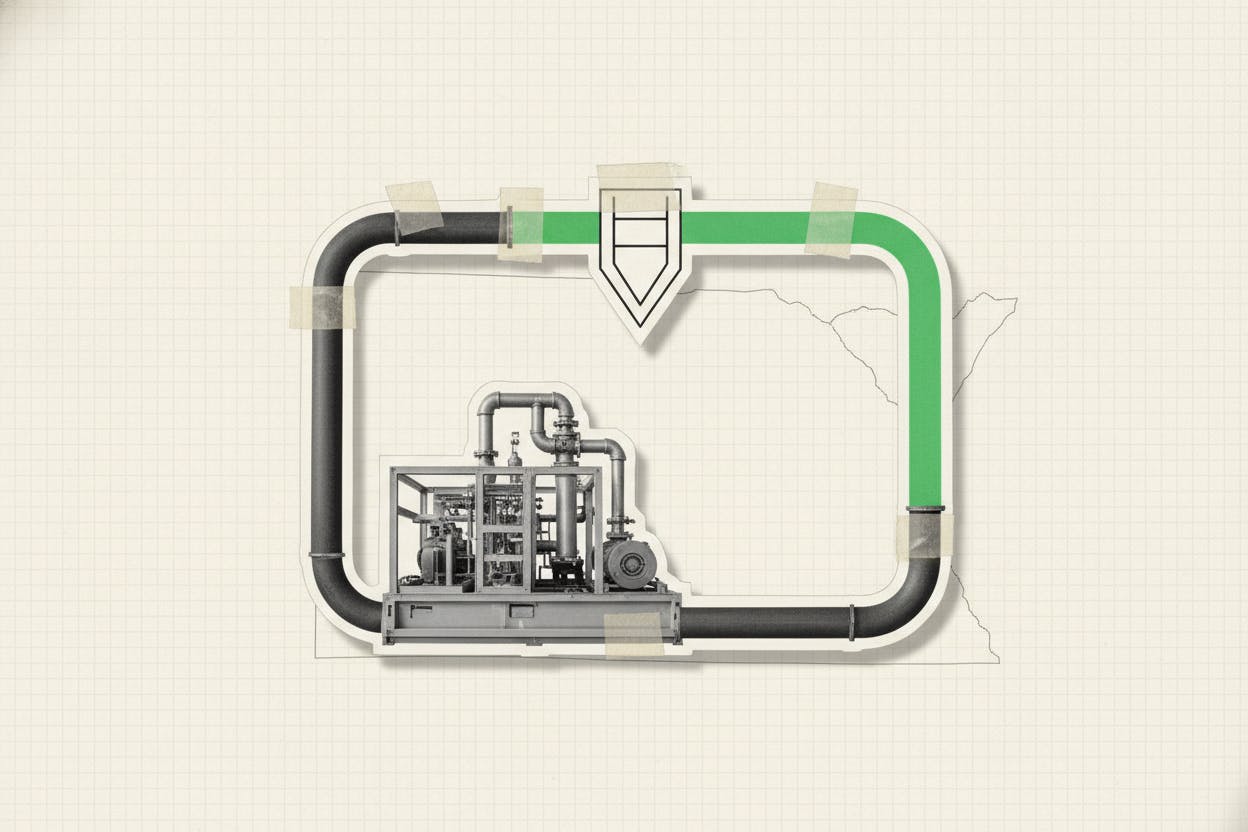
Project Aurora is part of EMP Metals' broader Viewfield project, located in the province's oil-rich southeast. The demonstration plant is hooked up to both a production well and a waste brine disposal well, allowing the company to run a continuous loop: pump lithium-rich brine from underground into the plant, extract the lithium, then inject the leftover 'spent' brine back into a designated disposal zone.
Why brine lithium matters
Lithium is a critical ingredient in batteries for electric vehicles, grid storage, and consumer electronics. Most of the world's lithium currently comes from hard-rock mining in Australia or evaporation ponds in South America's salt flats. But extracting lithium directly from brine—often called direct lithium extraction (DLE)—is attracting growing interest because it can be faster, use less land, and have a smaller environmental footprint than traditional methods.
EMP Metals is among a number of companies trying to commercialise DLE technology. The demonstration plant is a step between lab testing and full commercial production. By running under real field conditions, the company hopes to prove the process works at scale and gather data needed to design a larger facility.
The Saskatchewan location is notable because the province has vast underground brine reserves, a byproduct of its oil and gas industry. Using existing wells and infrastructure could lower costs and speed up development. It also fits with broader efforts in Canada to build a domestic supply chain for critical minerals, reducing reliance on imports from countries like China.
What it means for investors
For investors, the completion of the demonstration plant is a tangible sign of progress, but it is still early days. Demonstration plants are designed to test technology and de-risk a project, not to generate meaningful revenue. The next big milestones will be successful start-up, consistent operation, and eventually a decision on whether to build a commercial-scale plant.
Lithium prices have been volatile in recent years, swinging from record highs to sharp declines as supply outpaced demand. That volatility affects the economics of any new lithium project. Companies in this position often need to show they can produce lithium at a cost that remains profitable even when prices are low.
EMP Metals' ability to hit its Q3 start-up target and demonstrate reliable extraction will be closely watched. If the plant performs well, it could strengthen the case for the Viewfield project and potentially attract partners or financing. If it hits delays or technical problems, that could set the timeline back.
Investors should also consider the broader market for critical minerals. Governments in North America and Europe are offering incentives to boost domestic production of lithium and other battery metals, which could provide tailwinds. At the same time, competition is intense, and not every DLE project will succeed.
For now, the news is a positive step for EMP Metals, but it is just one step in a long process. The company's next updates on the plant's performance will be key for anyone following the stock.