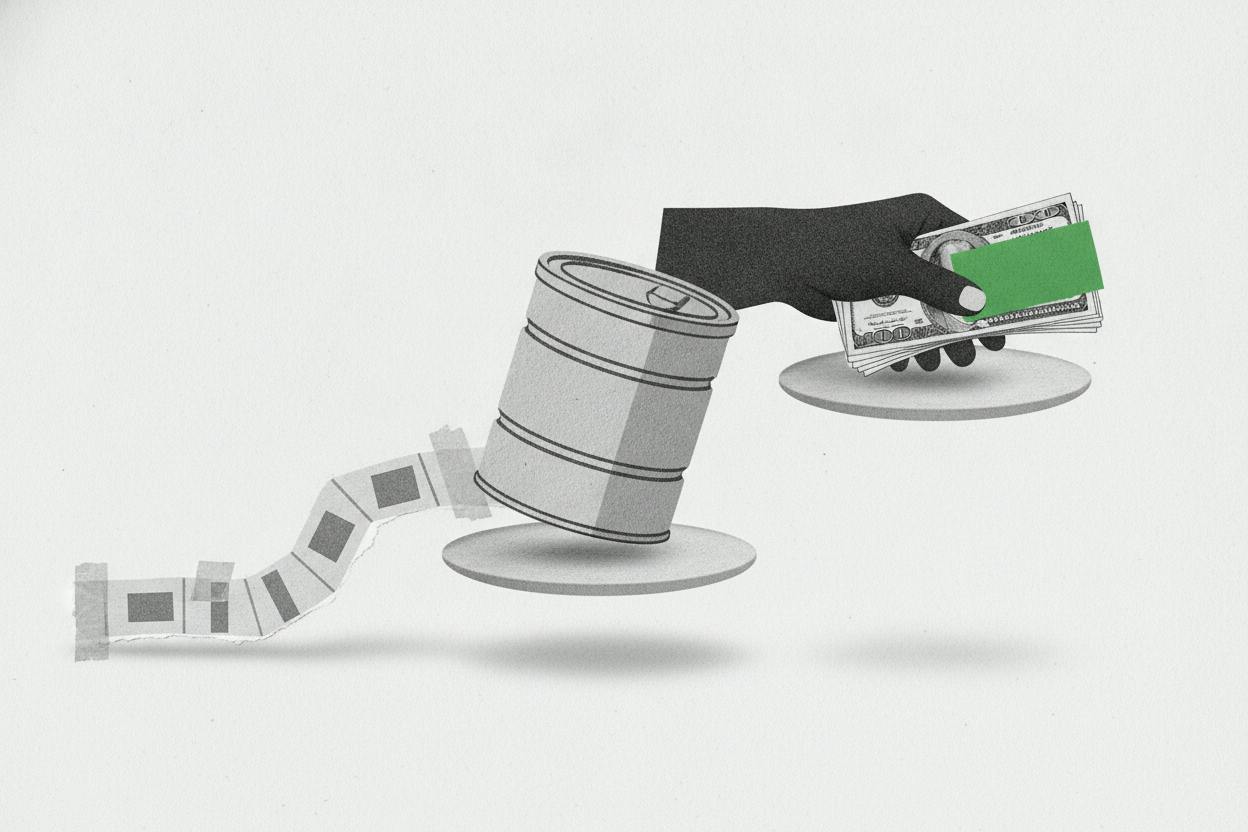
Europe's broad stock index, the STOXX 600, is on track for one of its strongest earnings quarters in four years. But the headline number flatters a market where the gains are heavily concentrated in one sector: energy.
According to data from LSEG's I/B/E/S, based on results from 144 companies and estimates for the rest, quarterly earnings for the index are expected to rise 23.6% from a year earlier. That is roughly in line with the prior quarter's 23.9% growth, and marks a period of robust profit expansion for European listed companies.
However, the energy sector is doing most of the heavy lifting. Energy company profits are projected to jump 139% year-on-year, helped by higher energy prices and unusually strong refining margins. Strip energy out of the equation, and earnings growth for the rest of the index falls to 9.8% — still above the 7.1% average of the past 16 quarters, but a far more modest picture.
Why energy is booming
The surge in energy profits reflects a period of elevated oil and gas prices, as well as refining margins that have been exceptionally wide. For companies in the exploration, production, and refining business, that combination has translated into bumper earnings.
Refining margins — the difference between what it costs to buy crude oil and the price of refined products like gasoline and diesel — have been particularly strong. This has benefited integrated oil majors and independent refiners alike. As one US refiner recently highlighted, even small operational improvements can yield significant savings when margins are fat.
The energy-led earnings jump comes at a time when the European Central Bank has warned that energy costs could keep inflation sticky. The ECB recently held its key interest rate at 2.50%, but signalled that energy prices remain a risk to the inflation outlook. That matters for investors because persistent inflation could delay future rate cuts, which in turn affects borrowing costs and consumer spending.
Where the weakness is
Not every sector is enjoying the same tailwinds. Real estate and consumer cyclicals are lagging, according to LSEG's data. Real estate has been under pressure for a while, as higher interest rates raise borrowing costs and weigh on property valuations. Deals in the European property market have been re-trading as buyers and sellers adjust to the new rate environment.
Consumer cyclicals — companies that sell discretionary goods like cars, clothing, and travel — are also struggling. With inflation squeezing household budgets, consumers are spending more cautiously. That is a stark contrast to the energy sector, where demand remains robust.
The divergence between energy and the rest of the market is a reminder that index-level earnings growth can mask big differences under the surface. For investors, it means that a rising tide is not lifting all boats equally.
What it means for investors
For everyday investors, the key takeaway is that the STOXX 600's strong earnings headline is not a sign that every European company is thriving. The index is heavily weighted toward energy and other cyclical sectors, so a handful of big winners can skew the overall picture.
If you own a broad European index fund or ETF, you are benefiting from the energy boom, but you are also exposed to the laggards. The 9.8% growth ex-energy is still respectable, but it suggests that the broader economy is growing at a more moderate pace.
Investors should also watch what happens next. Energy prices are notoriously volatile, and refining margins can normalise quickly. If oil prices fall, the energy-led earnings boost could fade just as fast. Meanwhile, the ECB's stance on rates will be crucial for rate-sensitive sectors like real estate. European stocks have been reacting to both earnings and central bank signals, and that is likely to continue.
For those looking at individual stocks, the earnings season highlights the importance of looking beyond the index average. A company in the consumer discretionary sector may be facing very different conditions than an energy major. As always, diversification remains a sensible strategy, but understanding where the growth is coming from can help you set realistic expectations.
In short, Europe's earnings season is off to a strong start, but it is an energy-led story. The rest of the market is growing, just not at the same breakneck pace. Keep an eye on energy prices and central bank policy — they will determine whether this earnings momentum can be sustained.