Italy's state-controlled energy giant Eni has raised its share buyback program by €600 million to €3.4 billion, following a stronger-than-expected second quarter that saw adjusted net profit more than double. The company also hinted at the possibility of an extra dividend later this year if oil prices remain elevated.
Strong earnings driven by exploration and production
Eni reported adjusted net profit of €2.3 billion for the second quarter, more than double the figure from a year earlier and comfortably above the analyst consensus of €2.09 billion. The outperformance was largely driven by its exploration and production division, where pro forma adjusted operating profit reached €4.77 billion, well ahead of estimates around €3.01 billion. Output climbed 7% year-on-year to 1.789 million barrels of oil equivalent per day.
The results reflect a favorable environment for oil and gas producers, with crude prices remaining elevated amid ongoing supply constraints and geopolitical tensions. Eni's ability to boost production while controlling costs has allowed it to generate significant cash flow, which the company is now returning to shareholders.
Buyback boost and dividend outlook
The increased buyback program, now set at €3.4 billion, signals management's confidence in the company's financial health and future cash generation. Eni also left the door open to an additional dividend payout later this year if oil prices stay high, providing further potential upside for income-focused investors.
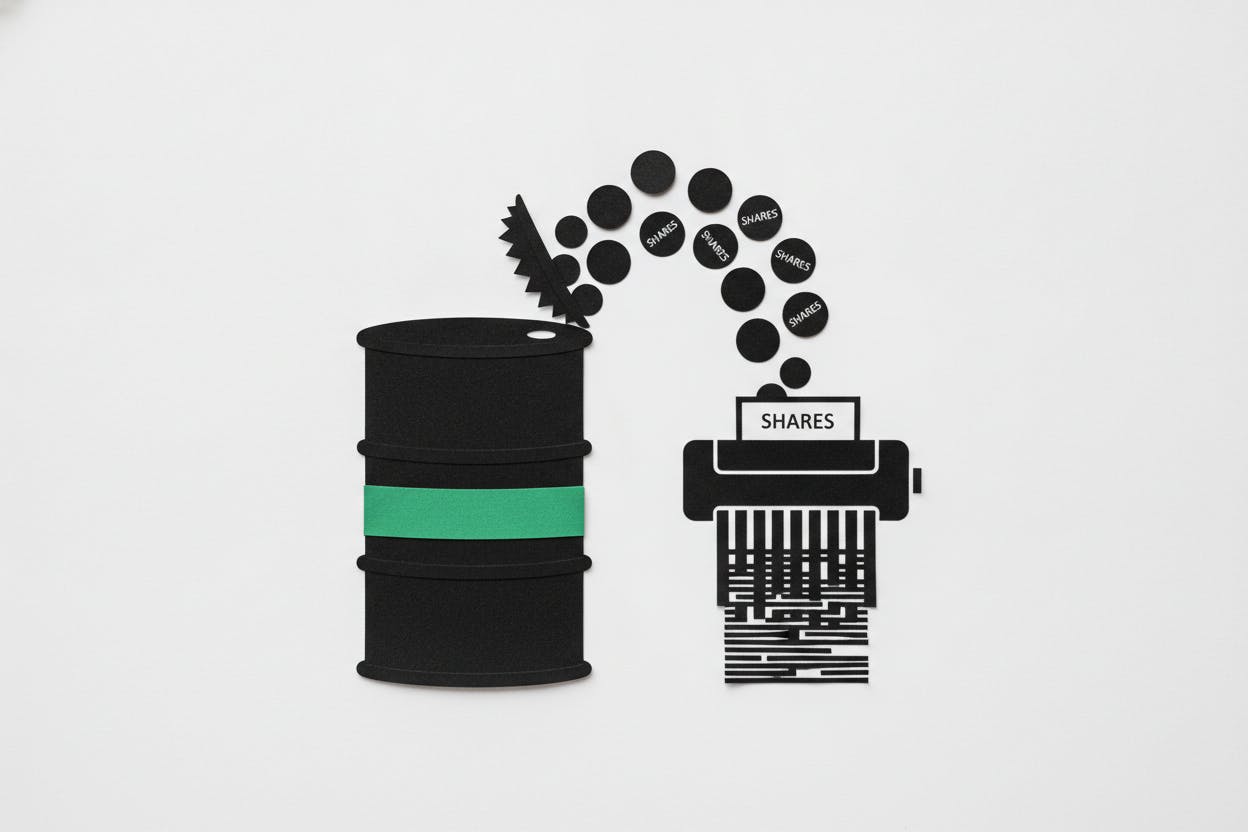
Share buybacks reduce the number of shares in circulation, which can boost earnings per share and support the stock price. For investors, the combination of a larger buyback and a possible extra dividend makes Eni an attractive proposition in the energy sector, especially compared to peers that have been more cautious with capital returns.
Broader context for energy investors
Eni's strong quarter comes amid a mixed picture for the global energy industry. While oil majors have generally benefited from high prices, some have faced headwinds from refining margins and weaker demand in certain regions. Eni's focus on upstream production has helped it outperform, and its state-backed status provides additional stability.
The company's results also highlight the ongoing importance of oil and gas in the global energy mix, even as the transition to renewables accelerates. Eni has been investing in low-carbon projects, but its near-term performance remains tied to fossil fuel prices. Investors should watch for any signs of softening demand or increased supply that could pressure prices and impact future returns.
For context, other energy companies have also reported strong quarters recently. For instance, Vault Minerals saw gold output dip but cash flow surge on strong prices, while Generac rode the AI data center boom to a strong Q2. These examples show how different sectors are benefiting from specific tailwinds.
What it means for everyday investors
For ordinary investors, Eni's buyback increase and potential extra dividend are positive signals. A buyback can support the stock price and improve per-share metrics, while dividends provide direct income. However, investors should remember that energy stocks are cyclical and sensitive to oil price movements. A sharp drop in crude could quickly reverse these gains.
Eni's strong performance also underscores the value of looking at state-controlled energy companies, which often have more stable cash flows and government backing. That said, they can also be subject to political pressures, such as calls for windfall taxes or increased investment in green energy.
As always, diversification is key. While Eni's results are encouraging, no single stock should dominate a portfolio. Investors may want to consider how energy exposure fits into their broader strategy, balancing potential returns against the inherent volatility of the sector.
Looking ahead
Eni's management will likely provide more details on capital allocation plans during the earnings call. The key question for investors is whether the company can sustain its production growth and cash generation if oil prices moderate. The possibility of an extra dividend later this year adds a layer of uncertainty, as it depends on market conditions.
For now, Eni's strong quarter and increased buyback make it a standout in the European energy space. The company's ability to deliver above-expectation profits while returning cash to shareholders is a reassuring sign for those invested in the sector.