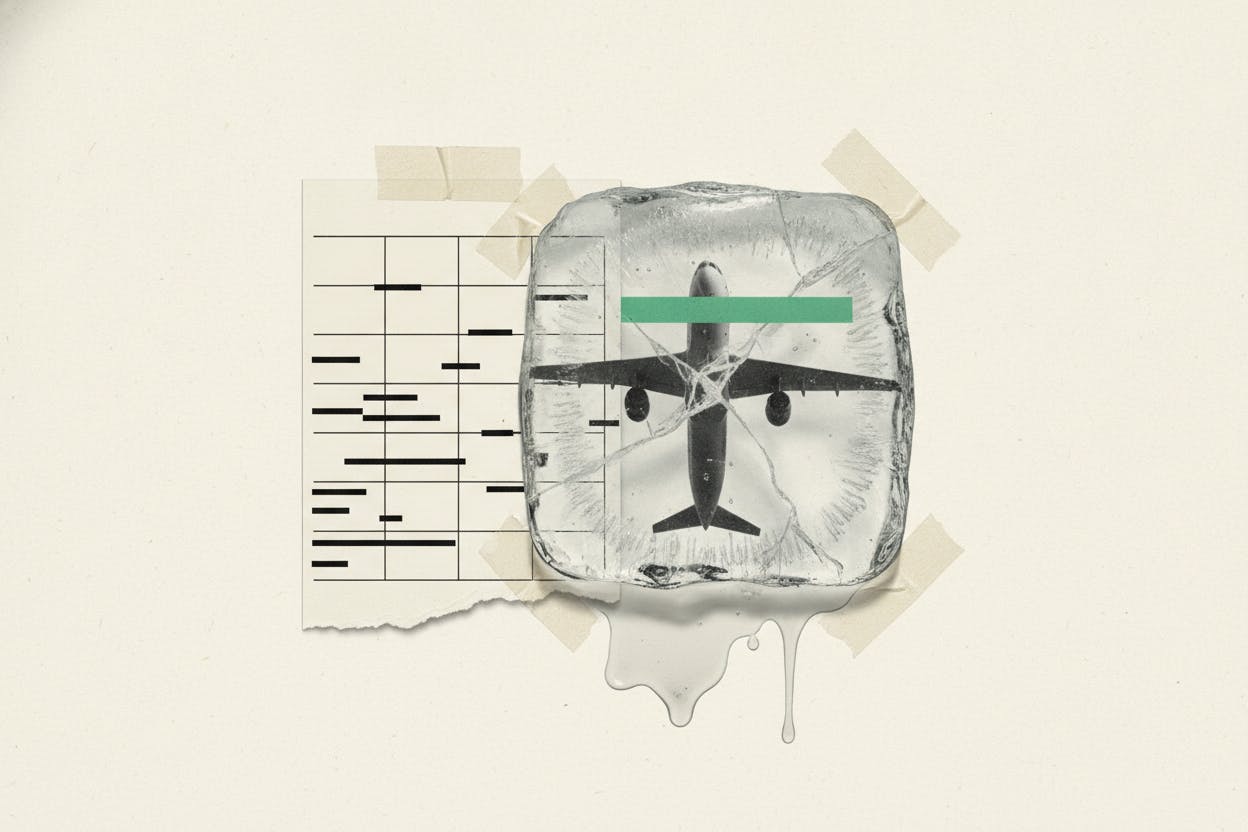
The European Union has agreed to keep suspending retaliatory tariffs on a range of US goods tied to the long-running Boeing-Airbus subsidy dispute, and this time the pause comes with no set end date. The decision, reported by Bloomberg and confirmed by a European Commission spokesperson, extends a temporary truce that had been in place since 2021.
Background: A Two-Decade Trade Fight
The Boeing-Airbus dispute dates back to 2004, when the United States challenged European government support for Airbus at the World Trade Organization. The EU quickly filed a countersuit over US subsidies for Boeing. After years of legal battles, both sides won the right to impose retaliatory tariffs, turning what started as an aircraft-subsidy argument into taxes on a much wider set of imported goods.
In 2021, Brussels and Washington called a temporary truce, freezing those duties while they negotiated a longer-term fix. That suspension was set to expire, but now EU member states have agreed to extend it on an open-ended basis. European Commission spokesperson Olof Gill said talks with the US are still ongoing.
What an Open-Ended Pause Means
Trade fights often flare up around calendars. When a tariff suspension has an end date, each side has an incentive to keep threats ready, and businesses have to plan for costs snapping back overnight. Removing the deadline can lower that policy uncertainty, which matters because companies and investors tend to demand a “risk premium” when trade rules look likely to change suddenly.
This doesn’t solve the underlying subsidy dispute, but it does reduce the near-term odds that the Boeing-Airbus feud spreads from aviation into broader EU-US trade relations while negotiations continue. For investors, that’s a meaningful reduction in one source of geopolitical risk.
What It Means for Investors
For everyday investors, the indefinite extension is a modest positive for sectors that could have been caught in the crossfire. European and US companies that import or export goods like wine, cheese, machinery, and aircraft parts had faced the possibility of tariffs snapping back. With the deadline removed, those businesses can plan with more certainty.
That said, the core dispute remains unresolved. The US and EU still disagree over how much government support is acceptable for their respective aerospace champions. If talks break down, tariffs could return. But for now, the open-ended pause reduces the drama and the risk of sudden trade escalation.
Investors should also watch how this fits into the broader trade picture. The EU has been taking a tougher stance on other fronts, such as targeting big tech companies like Amazon Web Services and Microsoft Azure as gatekeepers under new digital rules, as we covered in EU Targets AWS and Azure as Gatekeepers, Threatening Cloud Giants' Lock-In Tactics. Meanwhile, tariff jitters have been affecting commodity markets, with copper prices under pressure as we noted in Copper Heads for Weekly Drop as Strong Dollar and Tariff Jitters Reshuffle Inventories.
Looking Ahead
The key question now is whether the US will reciprocate. The 2021 truce was a mutual agreement, and Washington has so far not signaled any change in its own suspension. If the US also extends its pause indefinitely, that would further stabilize trade relations. If not, the EU could face pressure to resume its tariffs.
For now, the open-ended extension is a welcome sign that both sides prefer negotiation over escalation. Investors can breathe a little easier knowing that one trade fight is on ice for the foreseeable future.