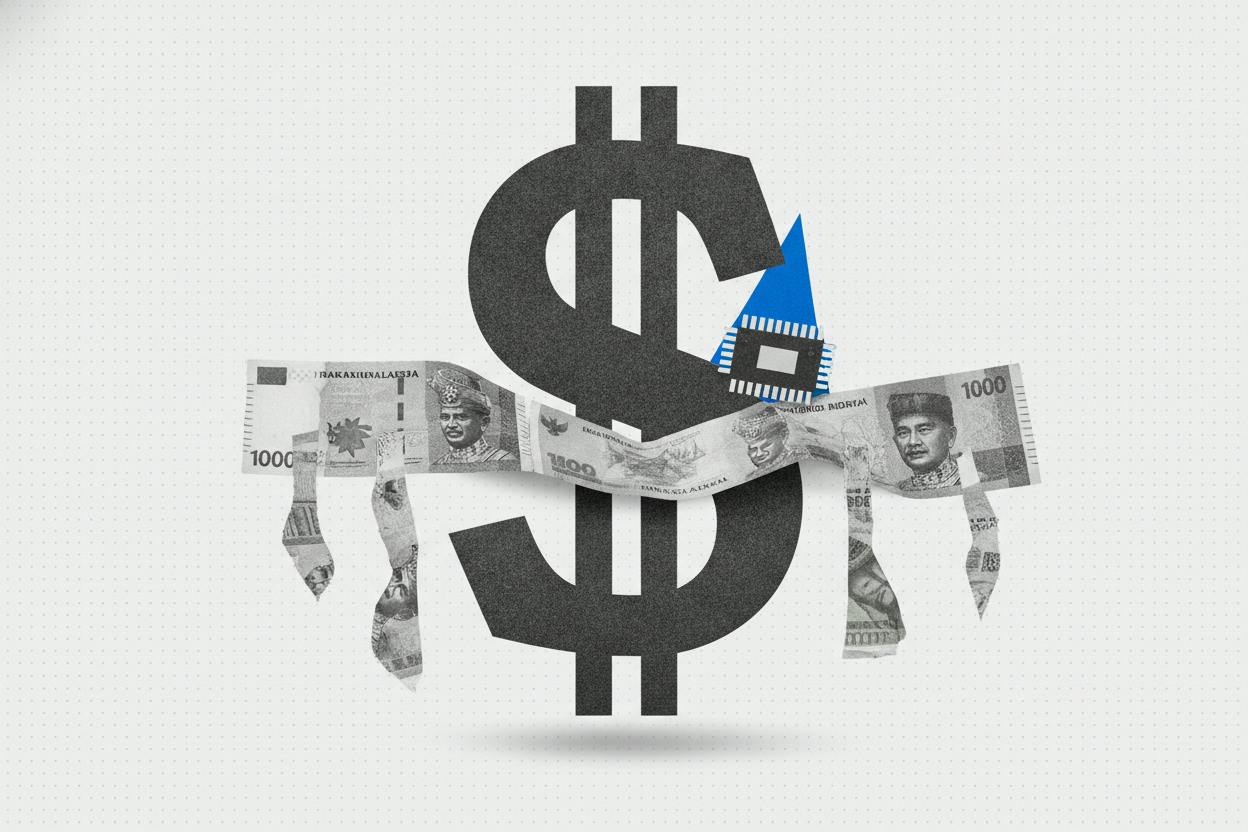
European Union antitrust regulators have raised concerns about MMG's proposed acquisition of Anglo American's nickel business, warning that the deal could restrict Europe's supply of a key stainless steel ingredient and push up costs for manufacturers.
The European Commission said the transaction could limit the availability of so-called low-carbon ferronickel in Europe, a material prized by stainless steel makers looking to reduce their environmental footprint. If supply tightens, those producers could face higher input costs, which may eventually filter through to consumer prices.
What is ferronickel and why does it matter?
Ferronickel is an alloy of iron and nickel used primarily in the production of stainless steel. Nickel gives stainless steel its corrosion resistance and strength, and ferronickel is one of the most common ways to introduce nickel into the steelmaking process.
The "low-carbon" label refers to production methods that generate fewer greenhouse gas emissions than traditional nickel smelting. As European manufacturers face increasing pressure to decarbonize, access to lower-emission inputs has become a competitive advantage. A reduction in that supply could make it harder for European steelmakers to meet their own sustainability targets while staying cost-competitive globally.
Anglo American, a London-listed mining giant, has been reshaping its portfolio, and its nickel operations are part of that review. MMG, a mining company with roots in China and operations across several continents, sees the acquisition as a way to expand its presence in the battery and stainless steel supply chain.
Why regulators are worried
The European Commission's concern centers on market concentration. If MMG gains control of Anglo American's nickel assets, it could control a significant share of the low-carbon ferronickel available to European buyers. That could give the combined company the ability to raise prices or dictate terms, especially if alternative sources are limited.
Antitrust reviews of this kind are standard for large mining deals. Regulators typically assess whether a merger would substantially lessen competition in a relevant market. In this case, the market in question is the supply of low-carbon ferronickel to European stainless steel producers.
The Commission's questioning does not mean the deal is doomed. It is the first step in a deeper investigation, and companies often address concerns by offering concessions, such as selling off certain assets or guaranteeing supply to third parties. But the scrutiny signals that the deal faces a meaningful regulatory hurdle.
What it means for investors
For everyday investors, this news is a reminder that large corporate deals are not just about price and strategy—they also depend on regulatory approval. When a deal faces antitrust pushback, it can delay completion, increase costs, or even scuttle the transaction entirely. That uncertainty can weigh on the share prices of both the buyer and the seller.
For those holding Anglo American shares, the nickel sale is part of a broader restructuring. A delayed or blocked sale could affect the company's ability to streamline its portfolio and return cash to shareholders. For MMG, the deal is a bet on the future of nickel demand, particularly for stainless steel and, potentially, batteries. Regulatory setbacks could force the company to rethink its growth plans.
Nickel prices have been volatile in recent years, influenced by shifts in global demand, supply disruptions, and the energy transition. The metal is used not only in stainless steel but also in electric vehicle batteries, making it a strategically important commodity. However, the specific low-carbon ferronickel segment is more niche, and its pricing dynamics can differ from the broader nickel market.
Investors should also keep an eye on how this fits into the wider European regulatory environment. The EU has been increasingly assertive in reviewing deals that touch on critical raw materials and climate-related supply chains. This case could set a precedent for how future mining acquisitions are assessed.
What happens next
The European Commission will now conduct a more detailed review, likely seeking input from customers, competitors, and other stakeholders. MMG and Anglo American may offer remedies to address the concerns, such as committing to maintain supply levels or divesting certain assets.
The timeline for a final decision is uncertain, but such reviews typically take several months. In the meantime, both companies will continue to operate their businesses as usual, and the nickel market will keep trading on its own fundamentals.
For investors, the key takeaway is to watch how the regulatory process unfolds. Any signs that the deal is likely to be approved with conditions could be seen as positive, while a prolonged investigation or a rejection would raise questions about the strategic logic of the acquisition.
In the broader context, this deal is part of a wave of consolidation in the mining sector, as companies position themselves for the energy transition. Other nickel projects are also advancing, and supply chain dynamics remain in flux. European regulators are clearly paying close attention to ensure that competition is preserved in markets that are critical to the region's industrial future.
As always, investors should consider how such regulatory news fits into their overall portfolio strategy, rather than reacting to headlines alone. Diversification and a long-term perspective remain the most reliable guides.