The Federal Reserve's first interest rate hike in more than three years sent the US dollar to a seven-week high, and that strength is rippling through Asia's emerging markets. Currencies from Malaysia to South Korea slipped to multi-week lows as investors shifted money toward dollar-denominated assets, even as some regional stock markets rallied on optimism about artificial intelligence.
What's driving the dollar higher?
When the Fed raises rates, US government bonds and other dollar-based investments become more attractive because they offer higher returns. That tends to pull capital away from riskier markets, including emerging economies, and pushes the dollar up. This time, the move was amplified because it was the first hike in years, signaling a shift in US monetary policy after a long period of ultra-low rates.
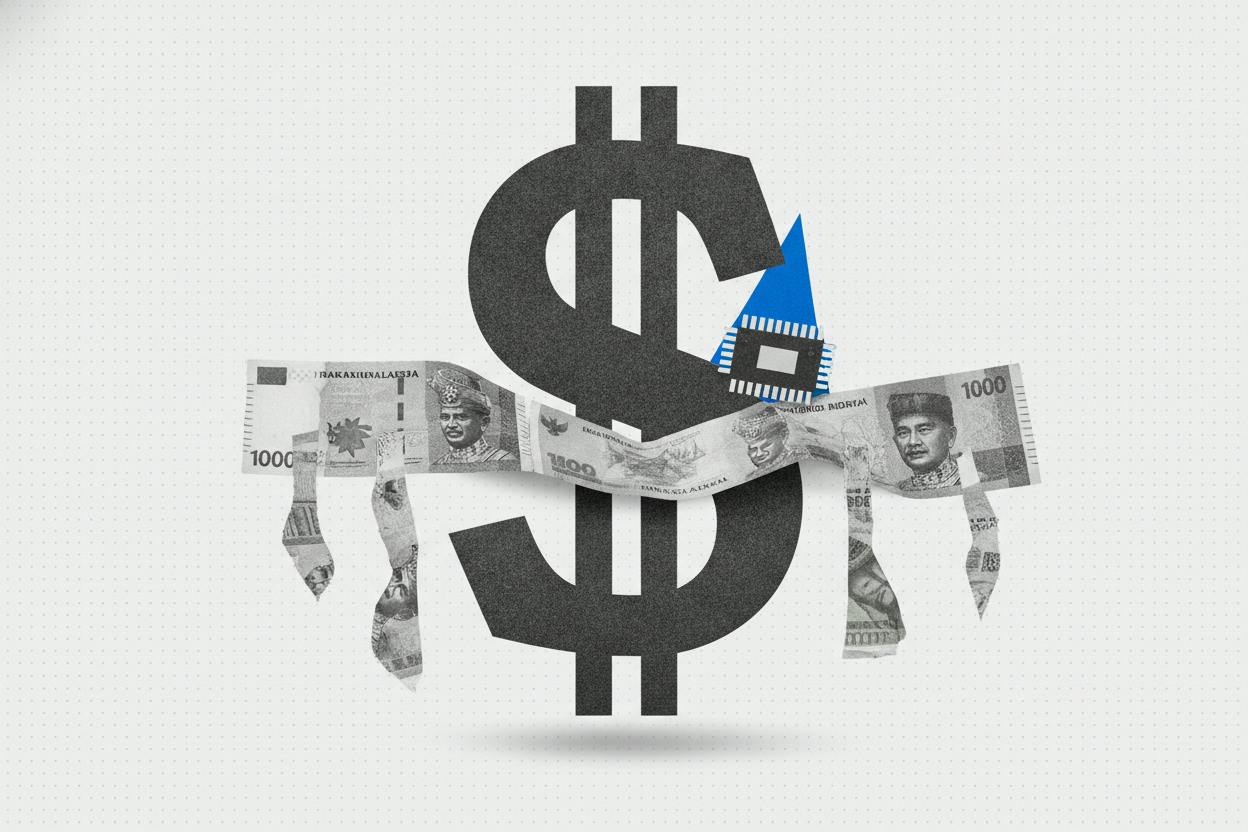
The effect was visible across Asia. Malaysia's ringgit and Indonesia's rupiah both weakened, while South Korea's won slid to 1,384.40 per dollar, a level not seen in weeks. The broader trend was a familiar one for emerging markets: when the dollar strengthens, their currencies often come under pressure, making imports more expensive and potentially fueling inflation.
Why stocks didn't follow the same path
Interestingly, the currency weakness didn't drag down all regional equities. South Korea's KOSPI and Taiwan's stock market both climbed, driven by a surge in chip and technology shares. Investors are betting that the boom in artificial intelligence will boost demand for semiconductors and related hardware, which are key exports for both countries.
This divergence highlights a key point: currency moves and stock moves don't always go hand in hand. While a weaker currency can hurt some sectors, it can also make a country's exports cheaper and more competitive globally. For tech-heavy markets like South Korea and Taiwan, the AI-driven earnings outlook appears to be outweighing currency concerns for now.
What it means for investors
For everyday investors, the Fed's hawkish turn is a reminder that US interest rates have global ripple effects. A stronger dollar can affect everything from the cost of imported goods to the returns on international investments. If you hold emerging-market assets, currency swings can add volatility to your portfolio, even if the underlying companies are performing well.
It's also worth watching how central banks in Asia respond. Some may feel pressure to raise their own rates to defend their currencies, which could slow economic growth. Others might let their currencies weaken to support exports, accepting higher import costs as a trade-off.
The AI rally in chip stocks is a separate story, but it shows that sector-specific trends can sometimes override macro headwinds. As chip stocks lifted South Korea and Taiwan ahead of the Fed decision, investors are clearly focused on the long-term potential of AI, even as the immediate macro environment turns less friendly.
Looking ahead
Markets will now be watching for signals on how many more hikes the Fed plans. If inflation stays sticky, the dollar could remain strong, keeping pressure on Asian currencies. On the other hand, if the Fed signals a pause, some of that pressure could ease.
For now, the picture is mixed: currencies are feeling the heat, but equities are finding support in tech optimism. That split could continue as long as AI enthusiasm holds up and the Fed stays hawkish. Investors should keep an eye on both forces, as they can pull portfolios in different directions.
Related coverage: Treasury yields rose as the Fed hiked, and the yen weakened ahead of the decision. Meanwhile, India's rupee slipped toward 96 per dollar, and Latin American markets also slipped as the dollar strengthened.