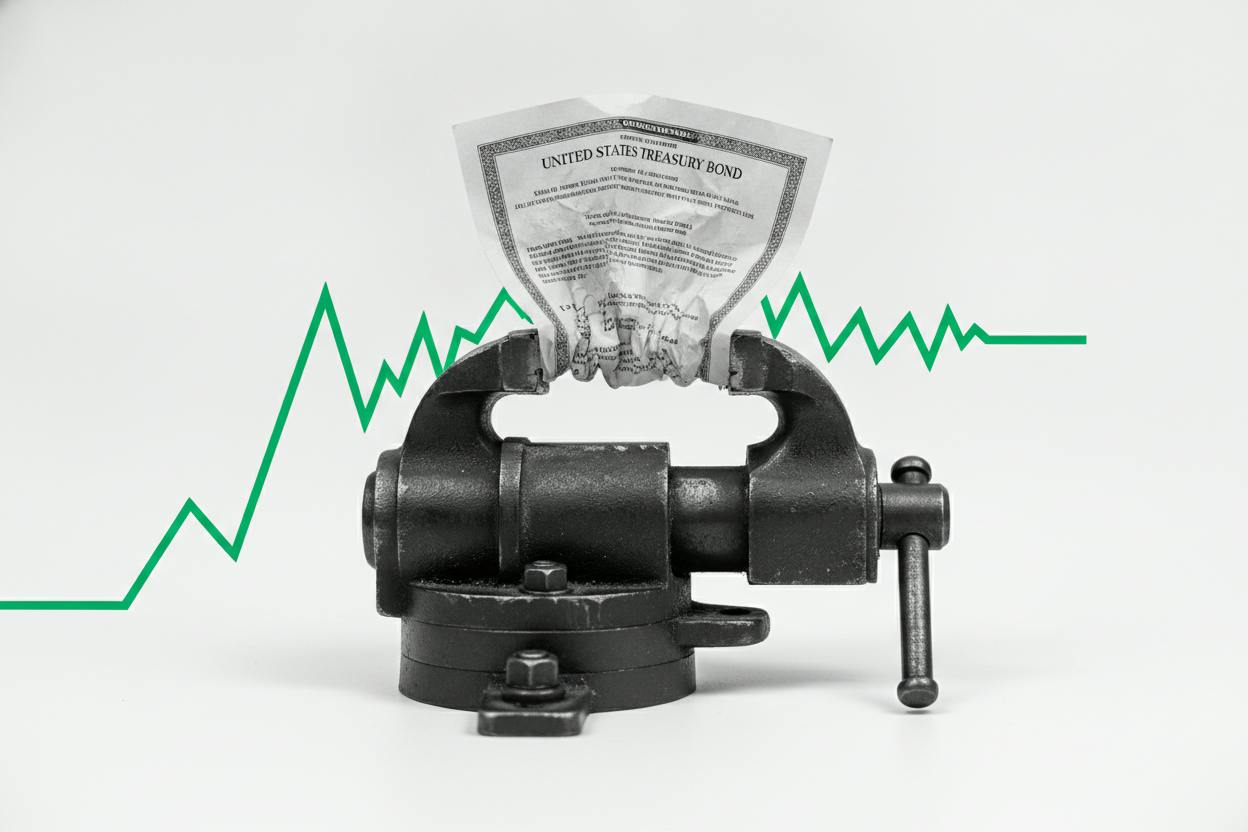
The Federal Reserve raised its benchmark interest rate by a quarter of a percentage point on Wednesday, the first increase in more than three years, and signaled that at least one more hike could be on the way before the end of the year. The move sent short-term Treasury yields climbing, with the two-year note touching 4.744%.
The rate decision marks a significant shift in monetary policy after years of near-zero rates and pandemic-era stimulus. The Fed's updated projections, known as the dot plot, showed that 16 of 18 policymakers expect at least one more quarter-point increase by year-end, underscoring the central bank's commitment to fighting inflation.
Why short-term yields reacted most
Bond investors reacted most strongly at the short end of the market, where yields closely track expectations for the Fed's next steps. The two-year Treasury yield rose more than longer-dated yields, while the 10-year yield hovered around 5.006%. This divergence is typical when the Fed is expected to tighten policy: short-term yields are more sensitive to the path of interest rates, while long-term yields are influenced by growth and inflation expectations.
A yield is the return an investor earns from holding a bond. When yields rise, bond prices fall. For everyday investors, this means that existing bonds lose value, but new bonds offer higher income. The move in the two-year yield reflects the market's belief that the Fed will follow through on its hawkish stance.
What this means for investors
For investors, the Fed's rate hike and its signal of more to come have several implications. First, higher interest rates typically weigh on stocks, especially growth and technology shares, because they increase borrowing costs and reduce the present value of future earnings. The stock market's reaction to the Fed's decision was volatile, reflecting these concerns.
Second, higher yields on Treasuries make them more attractive relative to riskier assets like stocks. This can pull money out of equities and into bonds, putting additional pressure on stock prices. However, for savers, higher yields mean better returns on cash and short-term bonds.
Third, the Fed's tightening could spill over into other parts of the economy. Mortgage rates, which are tied to long-term Treasury yields, have already been climbing. As homebuilder confidence drops and mortgage rates approach 7%, the housing market is likely to cool further. Consumer spending, which has remained resilient, may also slow as borrowing costs rise.
Global ripple effects
The Fed's decision also has global implications. Higher US yields tend to attract foreign capital, strengthening the dollar and putting pressure on emerging-market currencies. Countries that borrow in dollars face higher debt servicing costs. Meanwhile, other central banks are watching closely. The Bank of Japan, for instance, is expected to raise rates to levels not seen in decades, as global monetary policy tightens in tandem.
Oil prices, which have been a key driver of inflation, have also been affected by the yield environment. As bond yields ease from the 5% threshold, oil prices have cooled, but they remain elevated, keeping inflationary pressures alive.
What to watch next
Investors will now focus on upcoming economic data and Fed communications for clues about the pace of future hikes. The Fed's projections suggest one more hike this year, but the actual path will depend on inflation and employment figures. If inflation remains stubborn, the Fed could be forced to raise rates more aggressively. Conversely, if the economy shows signs of slowing, the Fed might pause.
For everyday investors, the key takeaway is that the era of cheap money is over. Adjusting portfolios to a higher-rate environment—by considering shorter-duration bonds, diversifying across asset classes, and being mindful of borrowing costs—can help navigate this new landscape. As always, it's important to focus on long-term goals rather than short-term market moves.