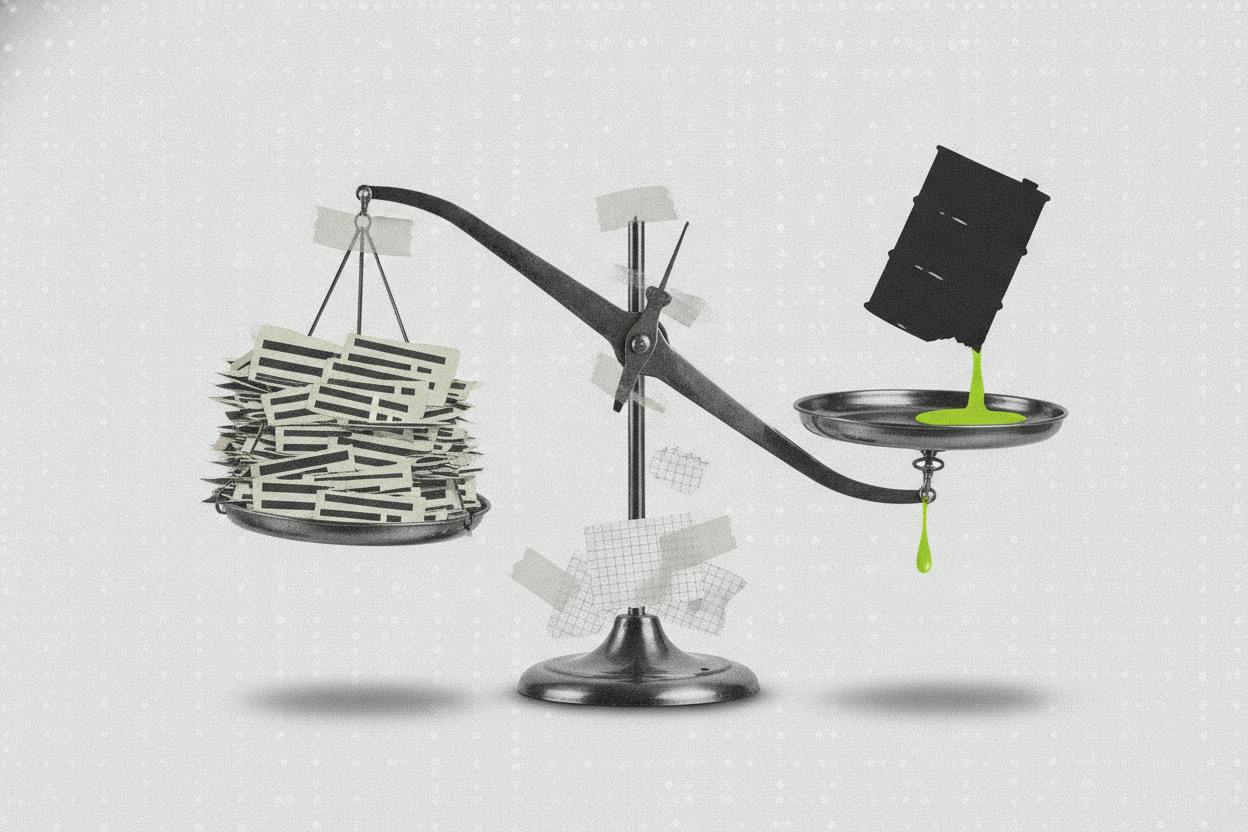
Wall Street ended a turbulent session with mixed results on Wednesday after the Federal Reserve raised its benchmark interest rate for the first time in more than three years. The move, widely expected by markets, was accompanied by signals that further hikes are likely as the central bank battles inflation that has been aggravated by rising oil prices.
The Dow Jones Industrial Average and the S&P 500 both closed slightly higher, while the Nasdaq Composite slipped, reflecting the uneven mood among investors. The initial reaction was a sharp drop, followed by a recovery, as traders digested the Fed's statement and the updated projections from policymakers.
What the Fed did and why it matters
The Federal Reserve's decision to raise its target range for the federal funds rate by a quarter of a percentage point marks a turning point after years of ultra-low borrowing costs. The last hike was in 2018, and since then the central bank had cut rates to near zero to support the economy during the pandemic.
Now, with inflation running at multi-decade highs, the Fed is shifting into tightening mode. The central bank's statement pointed to ongoing price pressures, particularly from energy, and indicated that "ongoing increases" in the target range will be appropriate. That language is a clear signal that this is likely the first of several hikes this year.
For everyday investors, the key takeaway is that borrowing costs are set to rise. That affects everything from mortgage rates to credit card interest, and it can also influence how much companies pay to finance their operations. Higher rates tend to make bonds more attractive relative to stocks, which can put pressure on equity valuations.
Oil prices and energy stocks
One notable feature of Wednesday's session was the behavior of energy stocks. Even as crude oil prices fell—with West Texas Intermediate sliding to around $103 a barrel—energy shares lagged the broader market. That might seem counterintuitive, but it reflects a few forces at play.
First, oil prices had been elevated for weeks, partly due to supply concerns following geopolitical tensions. A pullback in crude can be seen as a sign that some of that risk premium is easing. Second, higher interest rates can strengthen the dollar, which tends to weigh on commodity prices. And third, investors may be taking profits after a strong run in energy stocks.
The drop in oil prices was a theme across global markets. Earlier in the day, oil slid to $103.91, dragging energy stocks lower in premarket trading. That weakness carried into the regular session, even as the broader indices found their footing.
Global markets react
The Fed's decision rippled through markets worldwide. In Asia, stocks had risen earlier in the day as oil cooled and tech steadied ahead of the announcement. European markets also traded cautiously, with Swiss stocks edging higher as investors awaited the Fed's next move.
In the Gulf, UAE stocks diverged as investors awaited the rate decision, reflecting the region's sensitivity to both oil prices and global monetary policy. Meanwhile, Canadian stocks edged higher as oil and bond yields took a breather, showing that the energy-heavy market was also watching the Fed closely.
The broader picture is one of interconnected markets. When the Fed moves, it affects borrowing costs and investment flows around the world. For investors in any country, the Fed's policy path is a key factor to watch.
What it means for investors
For ordinary investors, the Fed's shift from easy money to tightening is a significant change in the environment that has supported stock prices for years. Low rates made bonds less attractive and pushed investors into stocks in search of yield. As rates rise, that dynamic reverses somewhat.
That doesn't mean stocks are doomed, but it does suggest that investors may need to be more selective. Companies with strong cash flows and pricing power may fare better, while those that rely heavily on borrowing could feel the pinch.
It's also worth remembering that the Fed is raising rates to fight inflation, which is itself a double-edged sword. On one hand, higher rates can cool price pressures over time. On the other, they can slow economic growth. The Fed is walking a tightrope between taming inflation and avoiding a recession.
As always, the best approach for most investors is to stay diversified and focus on long-term goals rather than reacting to daily swings. The market's wobble on Wednesday is a reminder that volatility is normal, especially around major policy shifts.
Looking ahead, investors will be watching for clues about how fast and how far the Fed will go. Each new data point on inflation and employment will be scrutinized for hints about the pace of future hikes. For now, the message from the Fed is clear: the era of cheap money is ending, and markets are adjusting to that reality.