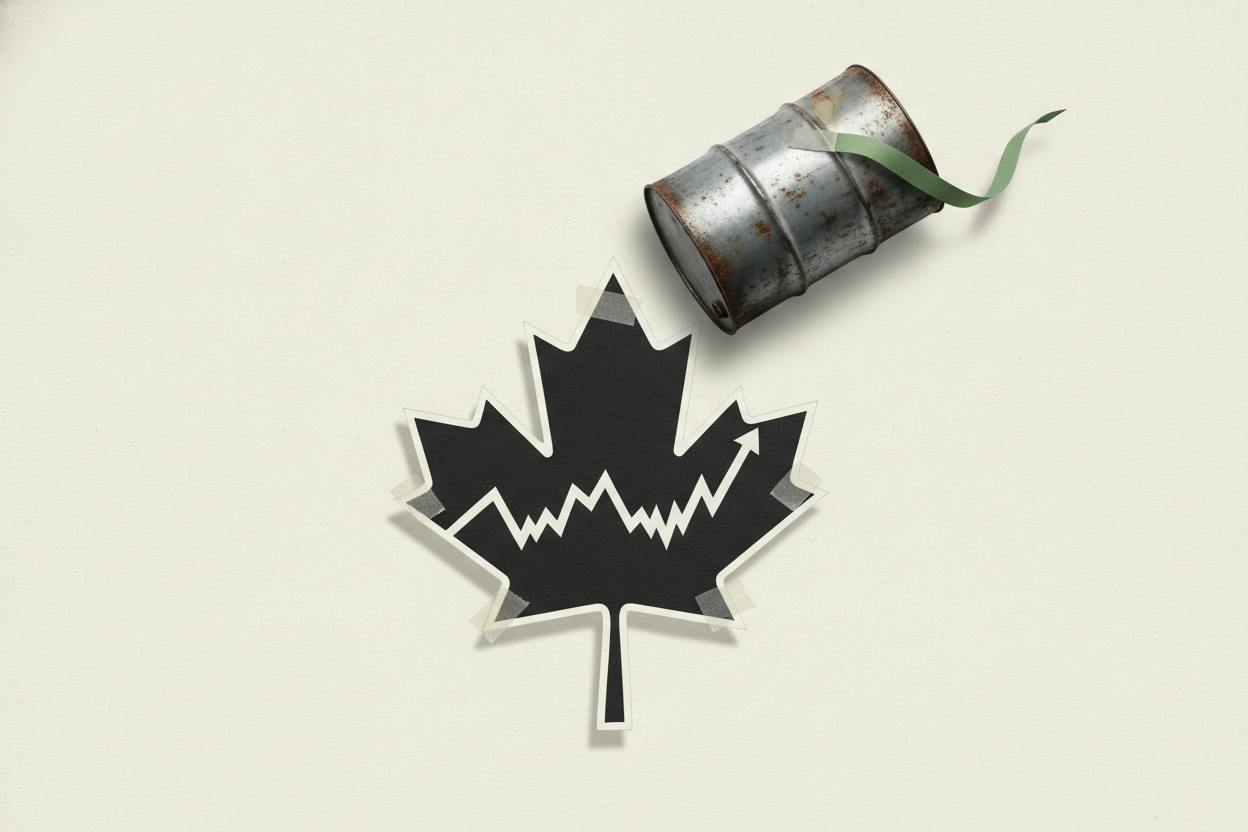
Canadian stocks are pointing to a modestly higher open on Wednesday, with September S&P/TSX futures up 0.15%. The small gain comes as two key pressures on markets—oil prices and bond yields—take a breather, giving investors a moment of relief before the Federal Reserve's next interest rate decision.
Brent crude slipped to $107.76 a barrel, easing from recent highs that had stoked inflation worries. At the same time, the 10-year US Treasury yield pulled back below the psychologically important 5% level, after briefly pushing above that threshold in the previous session. That move had rattled markets, reminding investors that higher borrowing costs can quickly squeeze stock valuations.
Why the Fed decision matters
The main event for markets this week is the Federal Reserve's policy announcement. Investors widely expect the central bank to deliver another quarter-point rate hike, which would mark another step in its campaign to bring inflation down to its 2% target.
But the bigger question is what the Fed signals about the future. With oil prices still elevated, inflation has proven stickier than many hoped. That raises the possibility that the Fed will keep rates higher for longer, rather than cutting them anytime soon. For Canadian investors, the Fed's stance matters because US interest rates influence global borrowing costs, the value of the Canadian dollar, and the attractiveness of stocks versus bonds.
When bond yields rise, they compete with stocks for investor dollars. Higher yields also increase the cost of borrowing for companies, which can eat into profits. That's why the recent move in Treasury yields has been a key focus for equity markets around the world.
Oil's role in the Canadian market
Oil is a heavyweight in the S&P/TSX, with energy stocks making up a significant portion of the index. When crude prices climb, Canadian energy producers tend to benefit, and the index often follows. Conversely, when oil pulls back, it can weigh on the market.
Wednesday's slip in Brent to $107.76 comes after a period of strength, driven by supply concerns and geopolitical tensions. The pullback is modest, but it's enough to take some pressure off inflation expectations. Cheaper oil means lower costs for businesses and consumers, which could help the Fed in its fight against inflation.
Still, oil prices remain well above levels seen earlier in the year, and any further spikes could complicate the central bank's task. Investors will be watching oil's next move closely, as it has become a key driver of both inflation and market sentiment.
What it means for investors
For everyday investors, the takeaway is that markets are in a wait-and-see mode. The Fed's decision will set the tone for the coming weeks, and the path of interest rates will continue to influence everything from mortgage rates to the performance of your investment portfolio.
If the Fed signals that rates will stay high for a while, bond yields could remain elevated, which might put pressure on stocks, especially those in sectors like technology that are sensitive to borrowing costs. On the other hand, if the Fed hints at a pause or a future cut, markets could rally.
For Canadian investors, the energy sector remains a wildcard. Higher oil prices have been a boon for energy stocks, but they also feed into inflation, which could lead to more rate hikes. That creates a tricky balancing act for the market.
As always, it's important to keep a long-term perspective. Short-term moves in futures and yields are normal, and trying to time the market based on daily fluctuations is rarely a winning strategy. Instead, focus on a diversified portfolio that can weather different economic conditions.
In the meantime, all eyes are on the Fed. The decision, and the accompanying commentary, will likely determine whether the recent calm in markets continues or gives way to more volatility.