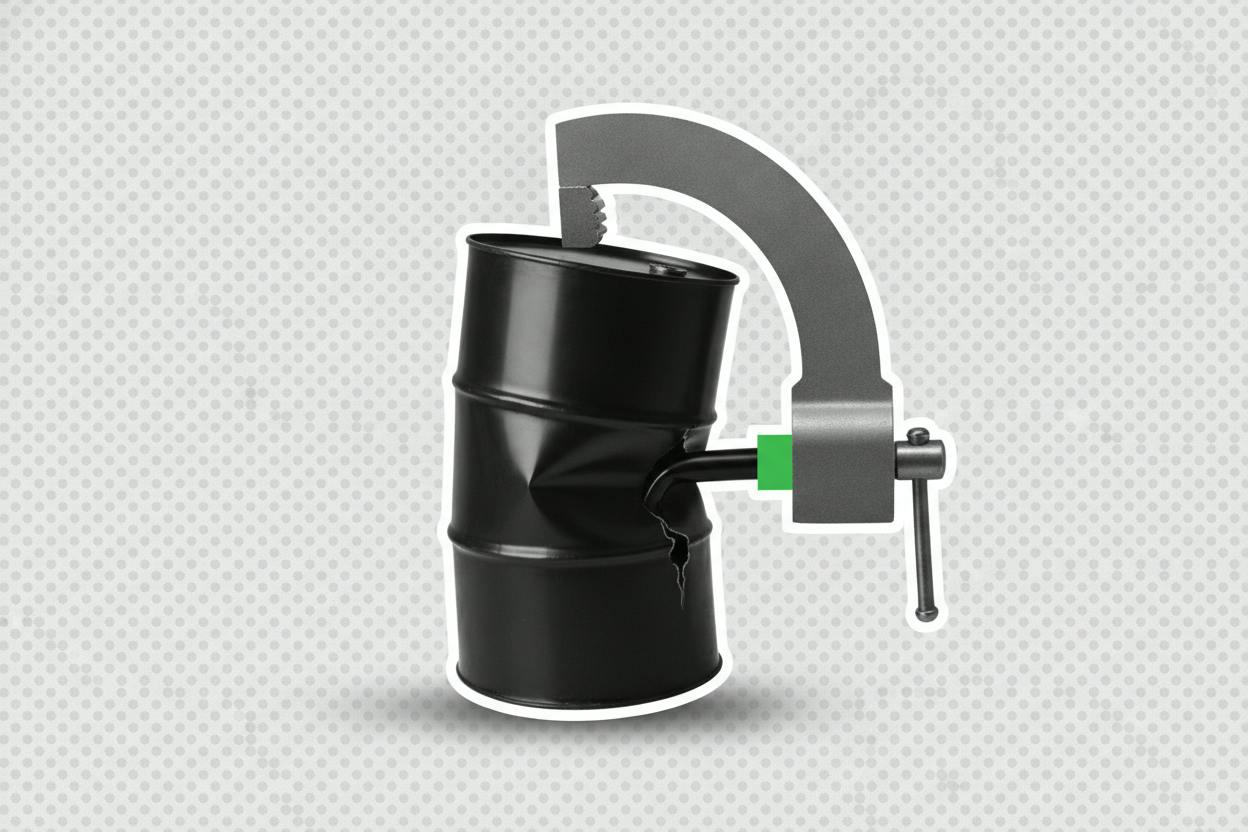
Oil prices pulled back from recent highs on Tuesday, with Brent crude slipping below $108 a barrel, while US 10-year Treasury yields dipped back under the psychologically important 5% level. The moves came as traders weighed ongoing Middle East supply risks against fresh signals from Washington on diesel exports and potential tariff cuts with China.
The combination of cooling oil and easing bond yields suggests a slight calming of the inflation and growth fears that have rattled markets in recent weeks. When energy prices climb, investors typically demand higher returns to hold longer-term bonds, pushing yields up. A retreat in crude helps take some of that pressure off.
What's driving the moves?
Brent crude, the international benchmark, has drifted below $108 a barrel, according to Commerzbank analysts. That marks a modest pullback from the spikes seen earlier this month when geopolitical tensions in the Middle East raised concerns about supply disruptions. While the region remains a flashpoint, traders appear to be pricing in a lower risk premium for now.
On the policy front, the US is reportedly considering restrictions on diesel exports, a move that could affect global fuel supplies. At the same time, there are signals that Washington may ease some tariffs on Chinese goods, which would be a positive for global trade and economic growth. Both developments are being watched closely by energy and currency markets.
The 10-year Treasury yield, a key benchmark for borrowing costs worldwide, slipped back under 5% during Asian trading. That level had been a source of anxiety for investors, as it reflects expectations for inflation and interest rates. A dip below it offers some relief, though yields remain elevated by historical standards.
What it means for investors
For everyday investors, the interplay between oil and bond yields matters because it influences everything from stock valuations to mortgage rates. When yields rise, future earnings from stocks look less attractive, often pressuring equity prices. A pullback in yields can provide a modest tailwind for shares, particularly in growth sectors.
Lower oil prices also feed directly into inflation expectations. Energy costs are a major component of consumer prices, so a sustained decline in crude could help cool inflation without requiring aggressive central bank action. That would be a welcome development for households and businesses alike.
However, the situation remains fluid. Middle East tensions could flare up again at any time, and policy decisions on diesel exports and tariffs are not yet final. Investors should expect continued volatility in both oil and bond markets as these factors evolve.
Related coverage: Oil slips as US stockpiles jump, but Middle East risks keep traders wary and Asia stocks steady as 10-year Treasury yield hovers near 5%.
Looking ahead
Traders will be watching for any official announcements from Washington on diesel export curbs or tariff adjustments. They will also keep an eye on weekly US inventory data, which can move oil prices. On the bond side, upcoming economic data and Federal Reserve commentary will shape expectations for interest rates.
For now, the market appears to be catching its breath after a turbulent stretch. But the underlying drivers—geopolitics, inflation, and central bank policy—remain in flux. Staying informed and diversified is key for investors navigating these crosscurrents.