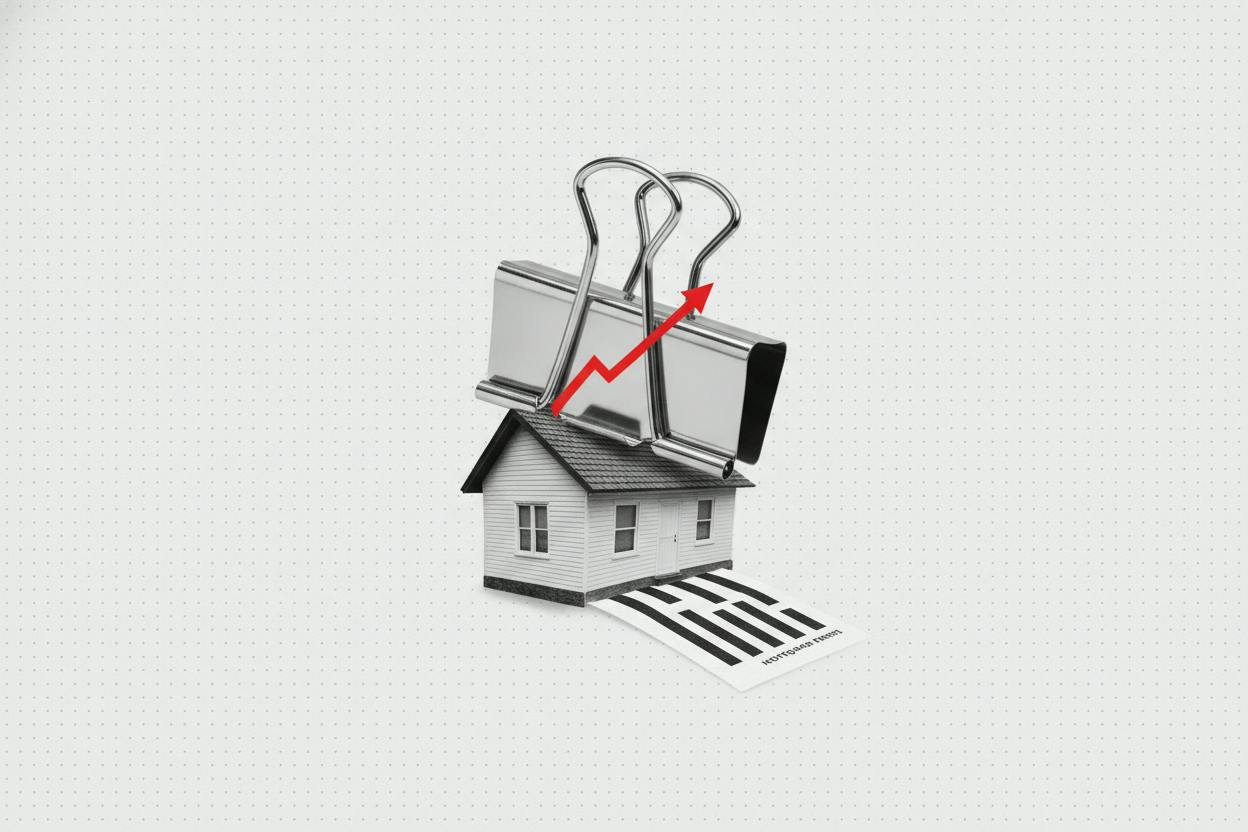
US homebuilders are feeling less optimistic about the housing market. The NAHB/Wells Fargo Housing Market Index, a monthly gauge of builder confidence, fell to 32 in September. That's down from the previous month and marks a continued slide in sentiment as mortgage rates push higher.
The index is scored on a scale where anything below 50 means more builders view conditions as poor than good. A reading of 32 is firmly in negative territory, reflecting growing concerns about affordability and buyer demand.
Why builder confidence is slipping
The main culprit is the recent jump in mortgage rates. The average 30-year fixed mortgage rate has climbed to 6.97%, the highest level since May. That increase directly impacts how much home buyers can afford, and it's showing up in builder surveys.
When rates rise, monthly payments go up, which can price out first-time buyers and make even move-up buyers think twice. As a result, builders are seeing weaker foot traffic and slower sales. To keep momentum, many are turning to price cuts and incentives—like covering closing costs or offering rate buydowns—to entice buyers.
This isn't just a blip. Builders are also dealing with stubbornly high costs for land, labor, and materials, which squeeze their margins. Even with incentives, they can't always lower prices enough to offset the affordability hit from higher rates.
What the index tells us
The NAHB/Wells Fargo index is a widely watched snapshot of builder sentiment. It's based on a monthly survey of NAHB members, asking them about current sales conditions, sales expectations for the next six months, and traffic of prospective buyers. A reading below 50 indicates that more builders view the market as poor than good.
September's drop suggests the housing market is cooling again after a brief period of optimism earlier in the year. The recent rise in mortgage rates has reversed some of the progress made when rates dipped in late summer.
This aligns with other recent data. Mortgage applications have slid as rates hit 6.97%, and consumer spending has remained resilient even as borrowing costs rise. But the housing market is particularly sensitive to rate changes.
What it means for investors
For everyday investors, the slide in builder confidence is a signal that the housing sector is facing headwinds. Homebuilder stocks, which had rallied earlier in the year, may come under pressure as investors reassess demand expectations. Some analysts have already downgraded homebuilder stocks due to the threat of higher rates.
But it's not all doom and gloom. Builders have been here before, and they're adapting by offering incentives and adjusting pricing. The fact that they're still building suggests they see underlying demand, especially for new homes, which can be more attractive than existing homes when inventory is tight.
For those with money in the stock market, it's worth watching how builders navigate this period. Companies with strong balance sheets and flexible pricing strategies may weather the storm better than others. For those considering buying a home, the higher rates mean higher monthly payments, but builders' incentives could soften the blow.
The broader economic backdrop also matters. The Federal Reserve's next move on interest rates will be closely watched. Investors are waiting for the Fed's decision, and any signal of future rate cuts could ease mortgage rates and boost builder confidence.
The road ahead
For now, the housing market is in a holding pattern. Builders are cautious, buyers are hesitant, and rates are the key variable. If mortgage rates stay near 7% or climb higher, expect builder confidence to remain under pressure. If they ease, sentiment could rebound quickly.
For investors, the takeaway is to keep an eye on rate movements and housing data. The homebuilding sector is cyclical, and this dip could be temporary. But it's also a reminder that higher rates have real consequences for the economy and for companies tied to housing.
As always, it's not about timing the market but understanding the trends. The current slide in builder confidence is a clear sign that the housing market is feeling the squeeze from higher borrowing costs.