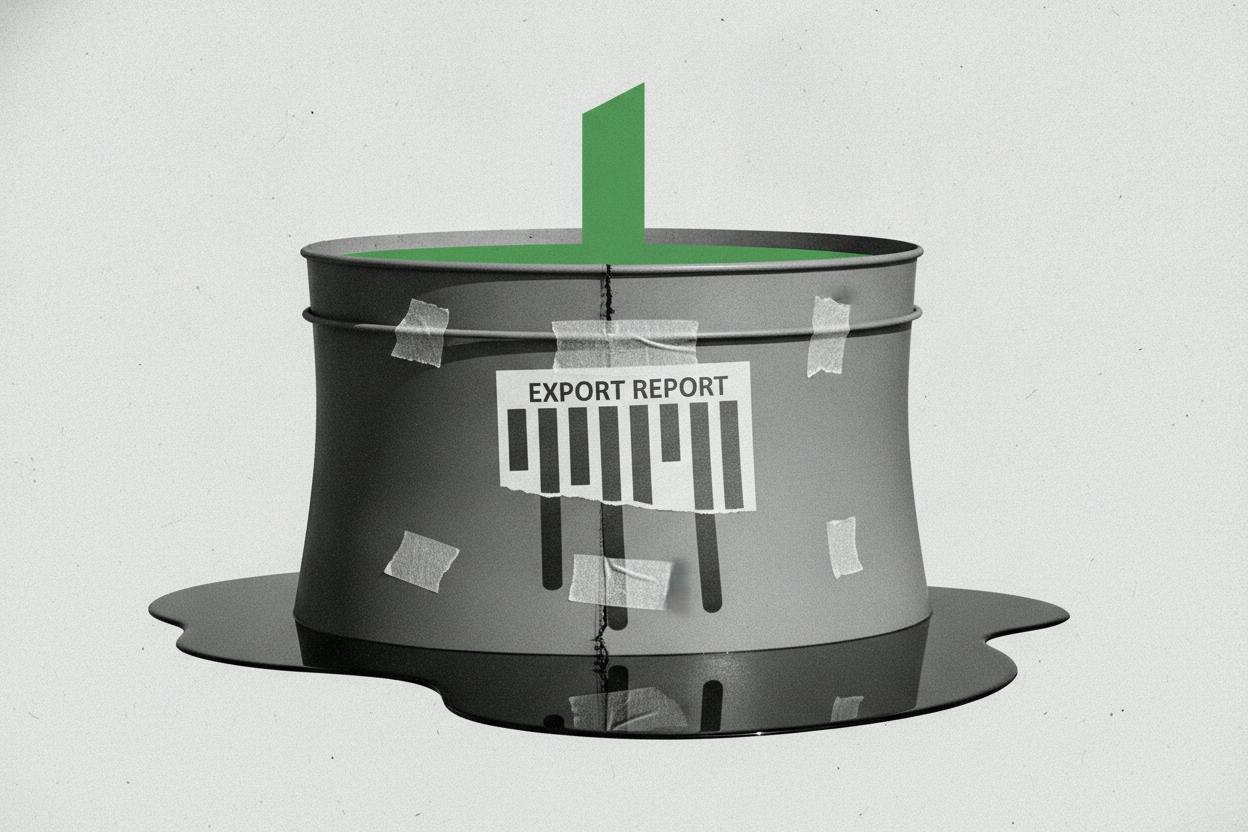
Palm oil futures in Malaysia took a breather on Wednesday after touching their highest level in 21 months, as disappointing early-September export data and chatter about swelling inventories tempered the recent rally. The benchmark December contract on the Bursa Malaysia Derivatives Exchange hovered near flat at around 4,996 ringgit per metric ton, having earlier reached its strongest point since December 2024.
The pause reflects a tug-of-war between bullish and bearish forces. On one hand, traders are watching for possible import duty cuts in India, the world's biggest buyer of vegetable oils, and continued strong demand from Indonesia's biodiesel program. On the other, cargo surveyors estimated that Malaysia's palm oil exports from September 1-15 fell between 17.8% and 25.6% compared with the same period last month, a sharp drop that suggests overseas demand is cooling.
Why exports matter
Malaysia is the second-largest producer of palm oil globally, after Indonesia, and exports are a key driver of domestic prices. When shipments slow, it usually signals weaker demand from major buyers like India, China, and the European Union. The early-September figures are particularly important because they offer the first glimpse of how the month is shaping up, and a decline of this magnitude can quickly shift market sentiment.
Adding to the bearish mood, Paramalingam Supramaniam, a director at local brokerage Pelindung Bestari, said end-month inventories could climb toward 3 million tons. That would mark a significant build-up in stockpiles, which tends to weigh on prices because it implies supply is outpacing demand.
Higher inventories can also signal that the market is well supplied, giving buyers less urgency to lock in purchases and putting downward pressure on futures.
Support from India and Indonesia
Despite the export slowdown, palm oil still has powerful tailwinds. India, which imports large volumes of edible oils, is reportedly considering cutting import duties on vegetable oils to help control domestic food inflation. Such a move would make palm oil cheaper for Indian buyers and could boost demand, providing a floor under prices.
Meanwhile, Indonesia, the world's top palm oil producer, continues to push its biodiesel program, which blends palm oil with diesel fuel. That policy has been a major source of demand growth in recent years, and any expansion or acceleration of the program would absorb more palm oil domestically, reducing the amount available for export and supporting global prices.
These two factors have helped palm oil rally to multi-month highs, but the market is now weighing them against the reality of weaker near-term export numbers and rising stockpiles.
What it means for investors
For everyday investors, palm oil prices matter in a few ways. First, they influence the cost of food products that contain palm oil, from cooking oil and margarine to packaged snacks and cosmetics. When palm oil prices rise, companies that rely on it as an input often see their profit margins squeezed, and those costs can eventually be passed on to consumers.
Second, palm oil is a major agricultural commodity, and its price moves can affect the share prices of plantation companies listed on exchanges in Malaysia, Indonesia, and Singapore. Investors in those stocks will be watching whether the current pause turns into a correction or whether the rally resumes.
The broader backdrop is also important. Palm oil prices have been supported by a weaker ringgit, which makes Malaysian exports more competitive, and by concerns about supply from other vegetable oils, such as soybean oil. But the market is also sensitive to global economic conditions, and any slowdown in demand from major buyers could quickly change the picture.
For now, the key data points to watch are the full-month export figures, which will be released at the end of September, and any official inventory numbers from the Malaysian Palm Oil Board. A continued drop in exports or a bigger-than-expected build in stocks could push prices lower, while any confirmation of India's duty cut or stronger Indonesian biodiesel demand could reignite the rally.
As always, commodity markets are volatile, and palm oil is no exception. The current pause after a sharp run-up is a reminder that prices rarely move in a straight line, and that both supply and demand signals need to be weighed carefully.