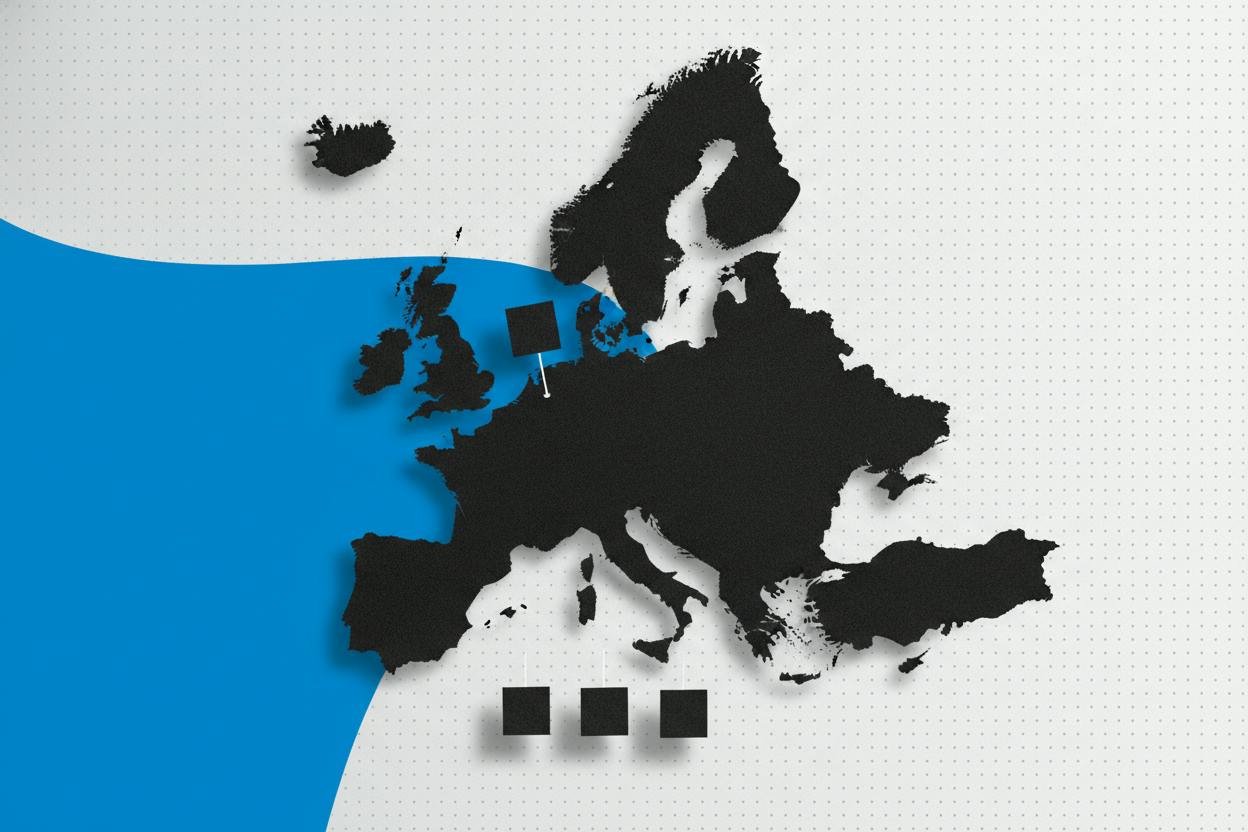
European equities that trade on US exchanges as American depositary receipts (ADRs) started the week on a strong note, with the S&P Europe Select ADR Index climbing 2.17% late Monday morning. The broad-based advance suggests that global investors are in a risk-on mood, even as attention remains on interest rates, inflation, and the health of the corporate earnings season.
ADRs are a way for US investors to buy shares of foreign companies without dealing with overseas exchanges or currency conversions. Each ADR represents a certain number of the company's home-market shares, and they trade on US exchanges during US market hours. Because European markets are closed overnight, ADR prices often serve as an early indicator of how European stocks might open when trading resumes.
What's driving the move?
While the brief doesn't cite specific news, the broad-based rise suggests that investor sentiment improved over the weekend or in early US trading. The index's 2.17% gain is a meaningful move for a diversified basket of European blue chips, and it points to a general appetite for risk rather than a company-specific catalyst.
Among the notable movers, Nokia rose 7.8%, Banco Santander gained 5.0%, BBVA added 4.1%, and UK insurer Prudential climbed 4.4%. These are large, widely-held names, so their moves can have an outsized impact on the index and on sentiment toward European equities overall.
It's worth noting that these gains come after a period of volatility in global markets, with concerns about AI stock valuations and the path of interest rates. Recent sessions have seen AI stocks stumble as crowded trades unwind, and some strategists have cut their US equity ratings in response. Against that backdrop, a strong day for European ADRs could signal that investors are rotating toward value-oriented or international names.
What does this mean for European markets?
The ADR move is likely to show up as opening gaps in European stock markets when they open later Monday. If an ADR closes well above the last price of the home-listed share, arbitrageurs—traders who profit from price discrepancies—will step in to buy the local shares and sell the ADR, or vice versa, until the prices converge. This process can make the first minutes of European trading look dramatic, even if the underlying driver is simply US-session positioning being "ported" back to the local line.
For traders and anyone watching European benchmarks, it's a reminder to separate two things: whether there's new company news, and whether prices are just converging. A strong ADR tape can lift the open, but it can also mean part of the day's move has already happened before Europe's cash session even begins.
This kind of mechanical catch-up is common, and it doesn't necessarily signal a fundamental change in a company's outlook. For example, if Nokia's ADR jumps 7.8% on no specific news, the local share might open higher but then give back some of the gain as traders take profits or as the arbitrage narrows.
What should investors watch next?
For everyday investors, the key takeaway is that ADR moves can be a useful gauge of global sentiment, but they shouldn't be read as a precise forecast of how European stocks will perform over the full session. The opening gap is often followed by a period of adjustment as the local market digests the news and trading flows.
Investors should also keep an eye on whether the strength in European ADRs is broad-based or concentrated in a few sectors. Monday's move appears broad, with financials and telecoms leading, but it's worth watching whether that momentum carries into the European close.
In the broader context, European stocks have been rising as oil retreats, though volatility remains elevated. The recent slide in oil prices has helped ease inflation concerns, which could support equities. However, the path of interest rates remains a key driver, and any surprises in economic data or central bank commentary could quickly shift sentiment.
For those with exposure to European stocks through ADRs or international funds, Monday's move is a positive sign, but it's important to remember that ADR trading is just one piece of the puzzle. The real test will come when European markets open and the local shares have a chance to trade on their own merits.
As always, it's wise to focus on the fundamentals of the companies you own, rather than short-term price moves. A single day's gain—even a strong one—doesn't change a company's long-term prospects, but it can be a useful signal about the market's overall mood.