European companies trading in the US as American depositary receipts (ADRs) slipped late Tuesday morning, with the S&P Europe Select ADR Index falling 0.59% to 1,890.80. The decline was led by big pharma and energy names, underscoring how a few heavyweight stocks can move the entire gauge.
What are ADRs and why do they matter?
ADRs are certificates that let US investors buy shares of foreign companies on US exchanges, without dealing with currency conversions or overseas brokers. They trade in dollars and follow the underlying stock's performance, making it easy for everyday investors to add international exposure to their portfolios.
The S&P Europe Select ADR Index tracks a basket of these receipts, giving a snapshot of how European equities are performing during US trading hours. Because it is market-cap weighted, the largest companies have the biggest influence on the index's daily moves.
Heavyweights lead the decline
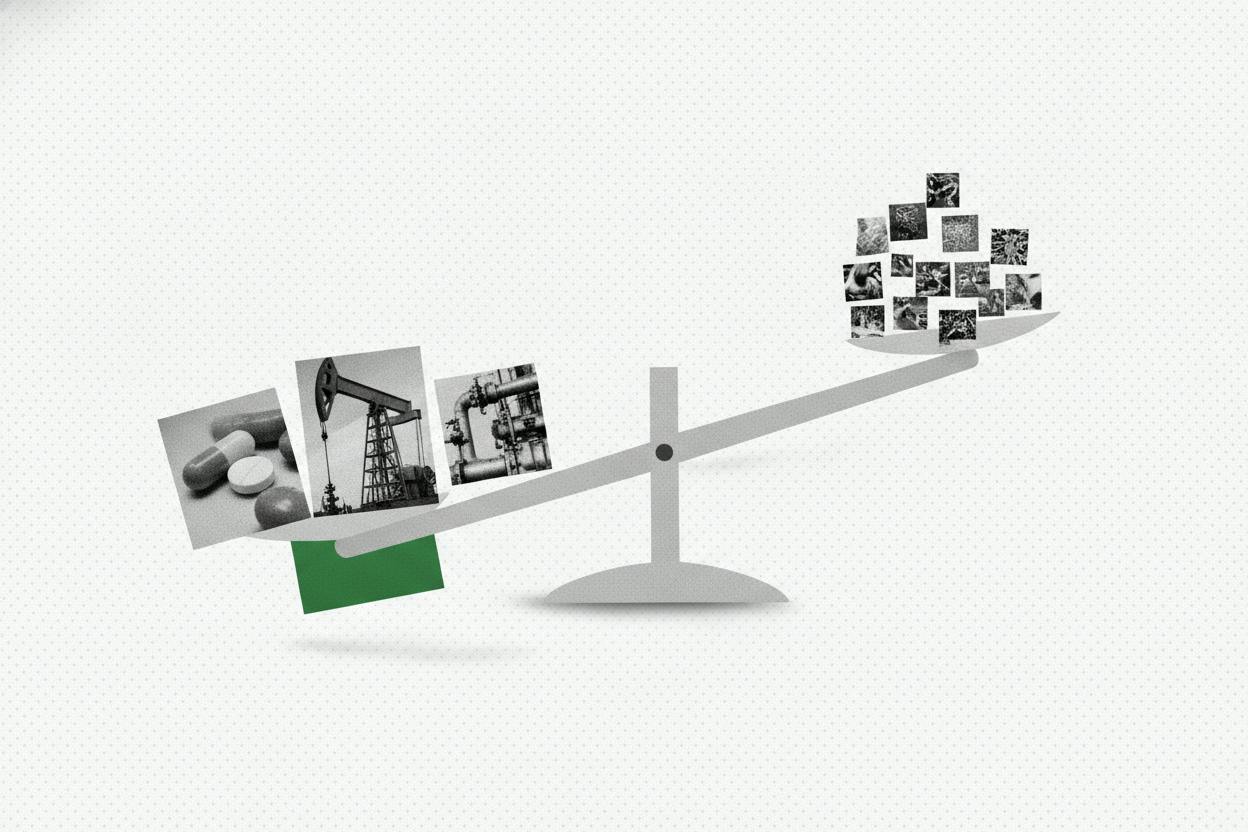
On Tuesday, the index's slide was driven by three of its most influential members: Danish drugmaker Novo Nordisk fell 2%, Italian energy giant Eni dropped 2.3%, and UK-based Shell slipped 2%. These are among the largest European companies by market value, so their moves carry outsized weight in the index.
Meanwhile, smaller names showed sharp gains. Trinity Biotech, a small Irish diagnostics company, jumped 7.7%. But because of its tiny market cap, its surge barely registered in the index's overall performance.
This dynamic highlights a key point: the index's daily change often reflects the fortunes of a few mega-caps rather than broad market sentiment. A modest decline in a heavyweight can outweigh a big percentage move in a smaller stock.
What does this mean for investors?
For US investors holding European ADRs, Tuesday's move is a reminder that sector concentration matters. Pharma and energy are two of the largest sectors in the European market, and when they stumble, the whole index can feel the pain.
Novo Nordisk, for example, has been a major driver of European market performance in recent years, thanks to its blockbuster weight-loss and diabetes drugs. A 2% drop in its ADR can ripple through the index, even if other sectors are holding up.
Energy stocks like Eni and Shell are sensitive to oil prices, which have been volatile amid geopolitical tensions and supply concerns. When crude slips, these companies' shares often follow, pulling the index lower.
For everyday investors, the takeaway is to look beyond the headline index move. A 0.59% decline might seem modest, but it can mask significant divergence beneath the surface. Some sectors or stocks may be doing well even as the index falls, and vice versa.
What to watch next
Investors will likely keep an eye on oil prices, as they directly affect energy heavyweights like Eni and Shell. Any major shift in crude could swing the index in either direction.
Pharma news, including regulatory decisions or clinical trial results, could also move Novo Nordisk and other drugmakers. And broader economic data from Europe, such as inflation or central bank policy, may influence investor sentiment across the board.
For now, Tuesday's slip appears to be a sector-led wobble rather than a clear risk-on or risk-off signal. The index remains near recent levels, and the underlying fundamentals of European companies haven't changed dramatically.
The bottom line
European ADRs are a convenient way to diversify internationally, but they come with their own quirks. The S&P Europe Select ADR Index is heavily influenced by a handful of mega-caps, so its daily moves can be misleading. Understanding what's driving the index—whether it's a few big stocks or broad market sentiment—can help you make more informed decisions about your portfolio.
As always, it's wise to consider your own investment goals and risk tolerance before making any changes. And remember, past performance is not a guarantee of future results.