European stocks trading in the U.S. finished Wednesday essentially flat, with the S&P Europe Select ADR Index slipping just 0.04%. But beneath that calm surface, it was a day of stark contrasts: pharmaceutical and biotech names climbed, while banks and miners pulled the other way.
Among the gainers, AstraZeneca rose 3.6%, and smaller biotech Biodexa Pharmaceuticals jumped 26%. GSK added 2.7%, argenx gained 3.4%, and Grifols rose 1.8%. On the losing side, HSBC fell 1.6%, Banco Santander dropped 1.5%, Banco Bilbao Vizcaya Argentaria (BBVA) slipped 1.6%, and miner BHP Group declined 2.3%.
Why healthcare led while banks lagged
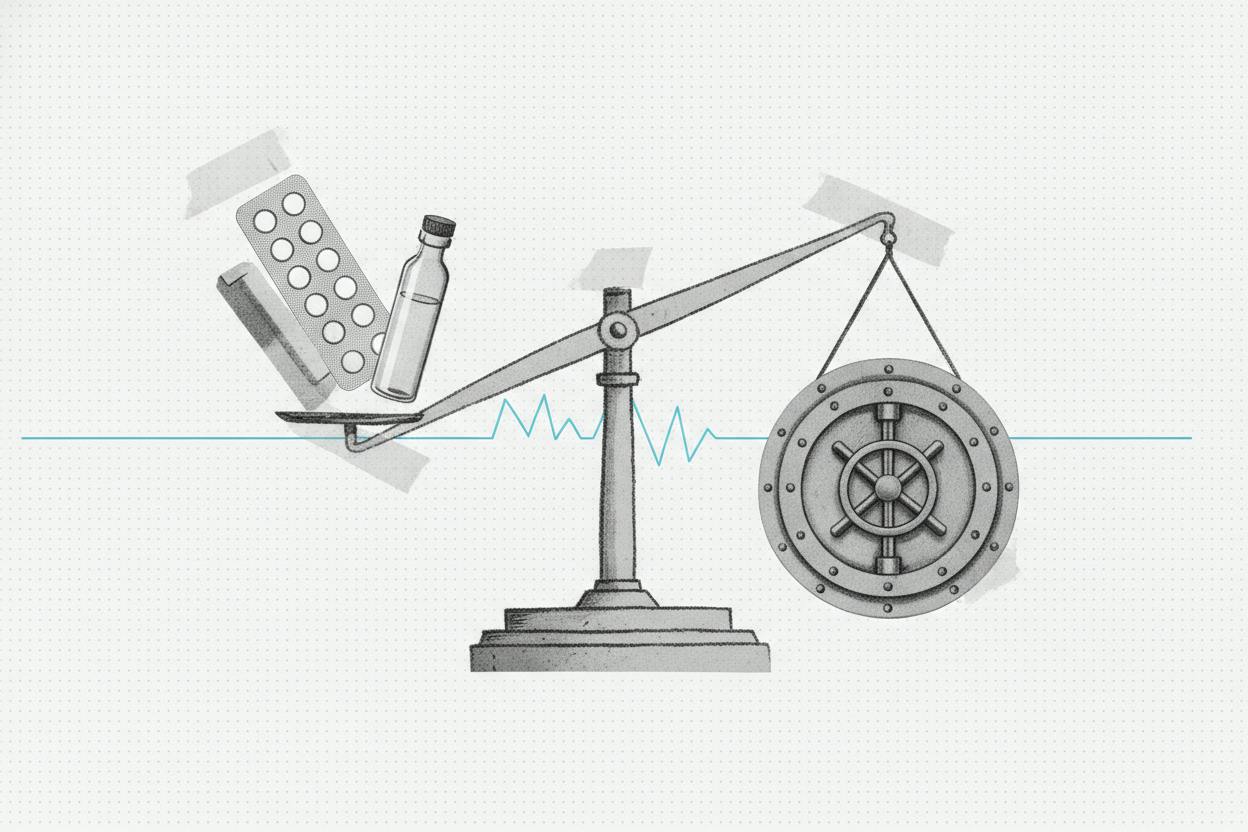
The pattern reflects a familiar tug-of-war in markets. Healthcare is often seen as a defensive sector—companies that sell medicines and medical products tend to generate steady demand regardless of the economic cycle. When investors feel cautious about growth, they frequently rotate into such names. Banks and miners, by contrast, are more cyclical: their fortunes are tied to interest rates, global trade, and industrial activity, making them more sensitive to economic slowdown fears.
This particular session saw no single headline catalyst for the moves. Instead, it appears to be a continuation of recent trends. Earlier in the week, European stocks dipped as German inflation climbed, and investors have been wrestling with the implications of sticky price pressures for central bank policy. Higher-for-longer interest rates can squeeze bank margins and weigh on rate-sensitive sectors, while also making defensive stocks with reliable cash flows more attractive.
The biotech surge, led by Biodexa's 26% jump, is a reminder that smaller drug developers can move sharply on company-specific news, such as clinical trial updates or licensing deals. These moves are often idiosyncratic and not necessarily a signal about the broader sector.
What this means for ADR investors
For everyday investors, the takeaway is that a flat index can hide significant dispersion underneath. The S&P Europe Select ADR Index is weighted by market capitalization, meaning the largest companies have the biggest influence on the index's daily move. When mega-cap pharma names like AstraZeneca rise, they can offset declines in smaller banks and miners, leaving the index little changed even as individual stocks swing wildly.
This is a good reminder to look beyond headline index numbers. If you hold European stocks through ADRs—American Depositary Receipts, which let U.S. investors buy shares of foreign companies—your portfolio's performance may differ meaningfully from the index depending on which sectors you're overweight or underweight.
It's also worth noting that healthcare has been a mixed bag recently. J&J's 2026 outlook disappointed, dragging healthcare stocks lower earlier, showing that even defensive sectors can have bad days. But on Wednesday, the sector's strength was enough to keep the overall European ADR index from falling further.
What to watch next
Investors will likely keep an eye on upcoming economic data and central bank commentary for clues about the path of interest rates. U.S. inflation surprises have pushed European bond yields higher in recent weeks, and that dynamic could continue to influence how investors position themselves across sectors.
If inflation remains sticky, cyclical sectors like banks and miners may face continued pressure, while defensive healthcare and utilities could attract more inflows. Conversely, if growth concerns ease, the pendulum could swing back toward the cyclicals.
For now, the message from Wednesday's session is that European ADRs are treading water, with the real action happening stock by stock. As always, diversification across sectors and regions remains a prudent approach for most investors.