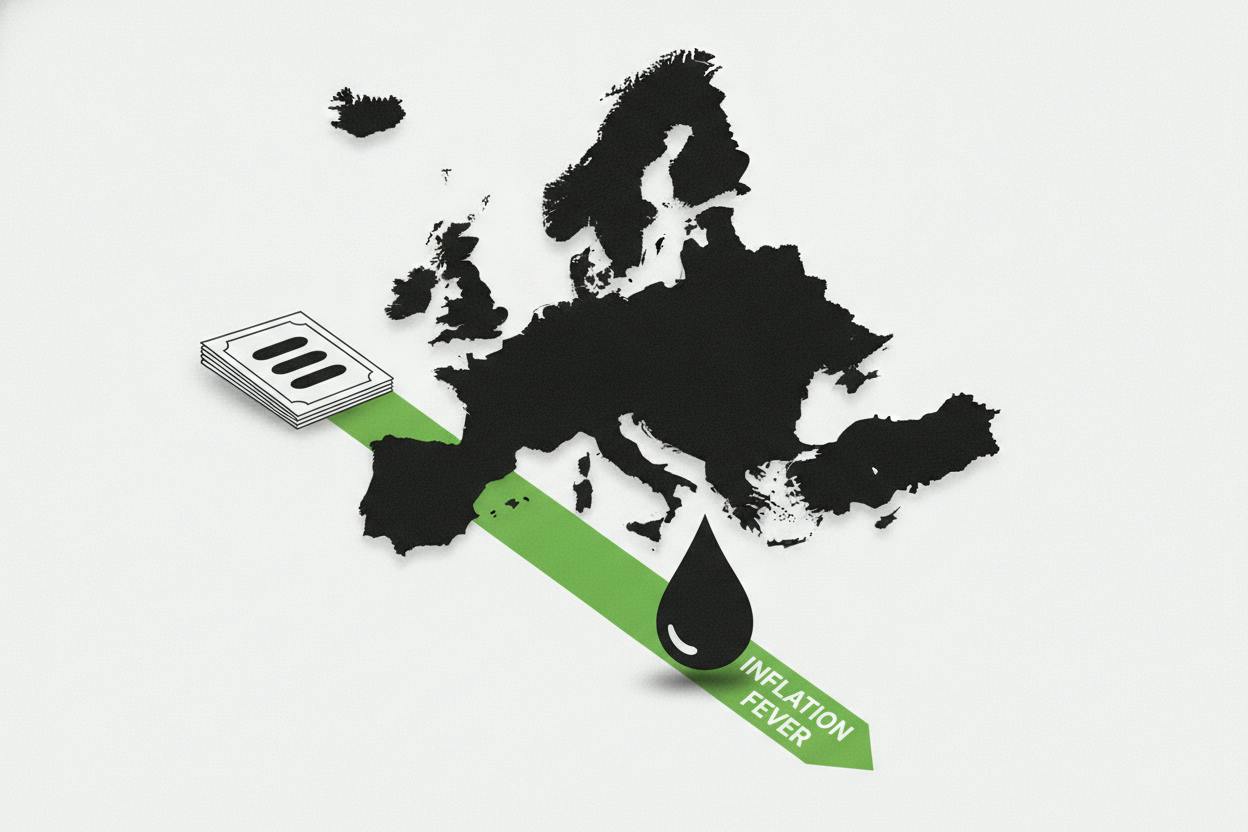
European stocks kicked off the week with a spring in their step, as a continued slide in oil prices helped calm inflation nerves and drew investors back toward riskier assets. The pan-European STOXX 600 index rose 0.8%, with technology and banking shares doing the heavy lifting.
The move came as Brent crude fell for a fourth straight session — a losing streak that Reuters noted would be the longest since June. The drop was driven by signs that more oil was leaving the Gulf than previously expected, despite ongoing tensions in the Middle East. For Europe, which imports a large share of its energy, cheaper oil is a welcome development: it can take some of the heat out of consumer prices and reduce pressure on central banks to keep interest rates high.
Why falling oil matters for Europe
Europe is a major energy importer, so the price of crude has an outsized impact on the region's economy. When oil prices fall, the cost of fuel, heating and transport tends to follow, which can ease the squeeze on household budgets and business margins. That, in turn, can help slow inflation without the need for aggressive monetary policy.
Investors have been particularly sensitive to inflation data in recent months, as central banks around the world have shifted from cutting rates to hiking them. The U.S. Federal Reserve delivered its first rate hike since 2023 earlier this month, a move that rattled markets and pushed yields higher. In that context, any sign that inflation pressures are cooling — such as cheaper oil — is seen as a potential brake on further tightening.
The slide in crude also comes amid hopes for diplomacy. Reports of possible progress on Iran-related tensions have helped ease supply fears, and investors are watching for any further developments that could keep oil prices in check. A related story on oil sliding on Iran diplomacy hopes highlighted how geopolitical news can move energy markets quickly.
Tech and banks lead the charge
Technology shares were among the biggest gainers, continuing a trend seen in other markets where investors have piled into the sector on optimism about artificial intelligence and other growth drivers. Banks also advanced, likely benefiting from the prospect of a more stable interest-rate environment if inflation cools.
The broader market mood was also supported by expectations of a meeting between U.S. President Donald Trump and Chinese President Xi Jinping later this week. Investors are hoping the talks could ease trade tensions between the world's two largest economies, which have been a persistent source of uncertainty for global markets. A summit between the two leaders could put AI guardrails and trade tensions in focus, with potential implications for tech stocks and global supply chains.
While the meeting is primarily a diplomatic event, markets will be watching closely for any signs of progress on tariffs, technology restrictions, or other flashpoints. A positive outcome could provide a further boost to risk appetite, while a breakdown could quickly reverse the current optimism.
What it means for investors
For everyday investors, the key takeaway is that falling oil prices can be a double-edged sword. On one hand, they ease inflation pressures, which is generally good for stocks and bonds. On the other, they can hurt energy companies' profits and weigh on oil-producing regions' economies.
In Europe, the net effect is usually positive because the region is a net importer of energy. Cheaper oil acts like a tax cut for consumers and businesses, potentially supporting economic growth and corporate earnings. That could be especially important at a time when the European economy is still recovering from the energy shock caused by the war in Ukraine.
However, investors should not read too much into a single day's move. Oil prices can be volatile, and the current slide could reverse quickly if geopolitical tensions flare up again. The fact that crude has fallen for four straight sessions is notable, but it is still early days.
Looking ahead, the focus will be on the Trump-Xi meeting and any fresh inflation data. If oil prices continue to fall, it could give central banks more room to pause or even reverse their recent rate hikes, which would be a significant tailwind for equities. On the other hand, if oil rebounds, inflation worries could resurface and put pressure on stock markets.
For now, the mood in Europe is cautiously optimistic. The STOXX 600's rise, led by tech and banks, suggests investors are willing to take on more risk as long as the inflation picture keeps improving. But as always in markets, conditions can change quickly, and staying diversified remains a prudent strategy.