European stocks slipped on Tuesday as reports of strikes on Iranian positions near the Strait of Hormuz pushed oil prices higher, while investors also weighed the prospect of further interest rate increases from the European Central Bank.
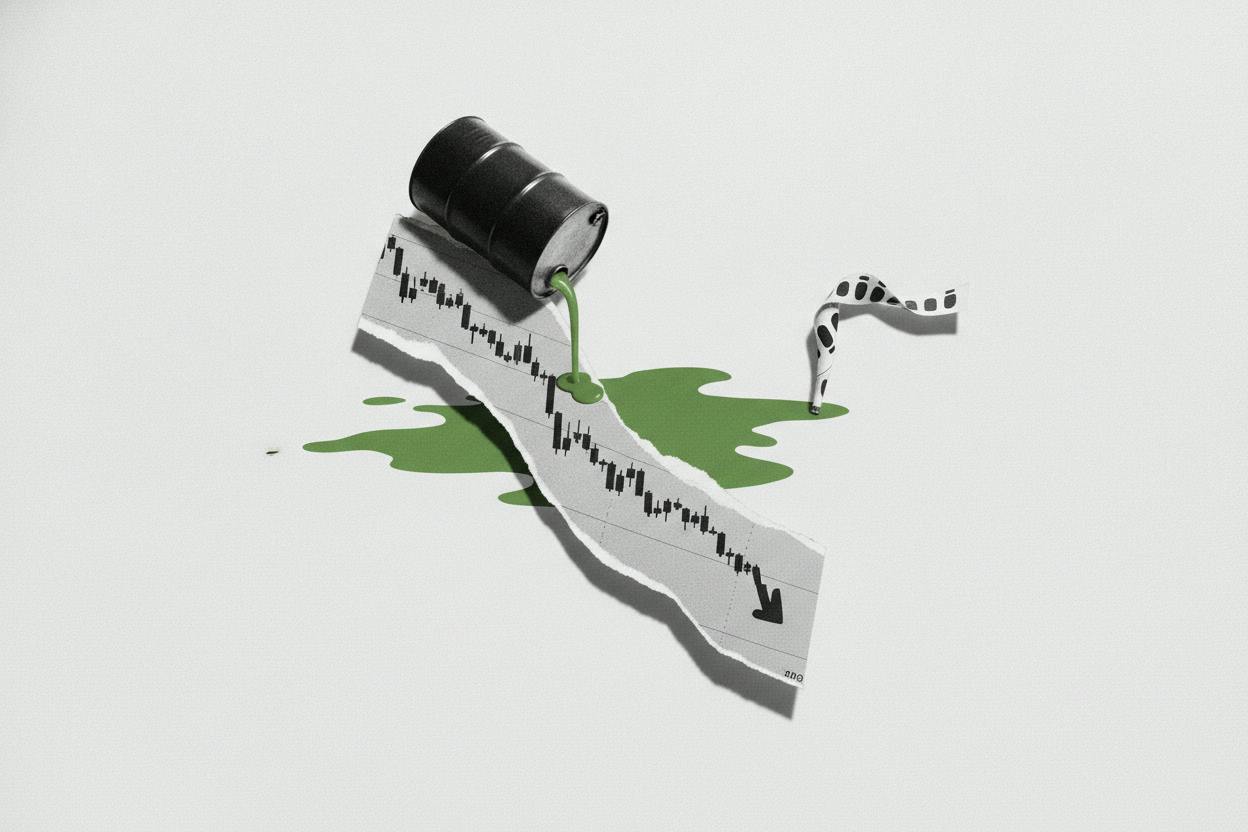
By midday, the Stoxx Europe 600 was down 0.3%, with the market split looking like a classic “oil up, growth down” session. Brent crude rose 1.3% to $106.16 a barrel, helping energy shares hold up, while the Stoxx Europe 600 Technology Index fell 1.5% and a European real estate investment trust (REIT) gauge slipped 0.5%.
Why oil and rates are moving together
The Strait of Hormuz is a narrow waterway between the Persian Gulf and the Gulf of Oman, through which a significant share of the world's oil passes. Any disruption there can quickly affect global supply expectations, and that is exactly what happened after reports of strikes near the area. Higher oil prices tend to feed into inflation, which in turn influences central bank policy.
That connection was visible in the bond market. Ten-year German government bond yields, known as Bund yields, were near 3.33%, reflecting investor expectations that interest rates may stay higher for longer. Dimitar Radev, a European Central Bank policymaker, said the bank could still raise rates again if inflation remains sticky, keeping the door open to further tightening.
For everyday investors, the takeaway is that oil and interest rates are not separate stories. When oil rises, it can push inflation up, which may prompt central banks to keep rates elevated. That can hurt growth-sensitive sectors like technology and real estate, which rely on borrowing and future earnings.
Volatility gauge signals choppier times
Investors are also paying up for protection. The Euro Stoxx 50 volatility index – a real-time estimate of how much the market expects the index to swing over the next month, based on options prices – jumped 7.2% to 21.89, above the 20 level that often signals a choppier spell for European stocks.
When that volatility gauge moves above 20, it usually does more than describe nerves: it can make stock-index options (common hedges used by institutions) more expensive and lift the risk estimates many firms use to size positions. If those risk numbers rise, systematic strategies like volatility-control and risk-parity funds often cut equity exposure to stay within their limits. That can add a mechanical layer of selling on down days, making moves feel larger than the headlines alone would suggest.
In practice, the strain tends to show up first in areas that are already sensitive to discount rates, like tech and listed real estate, especially when oil and bond yields are rising at the same time.
What it means for investors
For the average investor, this session is a reminder that geopolitical events can ripple through markets in unexpected ways. A strike near a key oil route can lift energy prices, which then feeds into inflation and rate expectations, which in turn hits growth stocks. It's a chain reaction that can happen quickly.
Energy shares may benefit from higher oil prices, but that doesn't mean you should chase them. Instead, it's worth understanding how your portfolio is positioned. If you hold a broad European index fund, you're exposed to both the energy gains and the tech and real estate losses. The net effect may be muted, but the volatility can be uncomfortable.
Also, keep an eye on the volatility index. When it rises above 20, it often signals that markets are in for a bumpier ride. That doesn't mean you should sell, but it might be a good time to review your risk tolerance and ensure you're not overexposed to sectors that are sensitive to interest rates.
As always, it's important to remember that market moves like this are normal. Oil prices can fall as quickly as they rise, and central banks may change course if inflation cools. The key is to stay informed and avoid making impulsive decisions based on a single day's headlines.