European shares pulled back on [day], snapping a three-day winning streak as rising oil prices and higher government bond yields weighed on investor sentiment. The pan-European STOXX 600 index closed down 0.3%, with bank stocks leading the decline while auto shares bucked the trend.
What moved the market
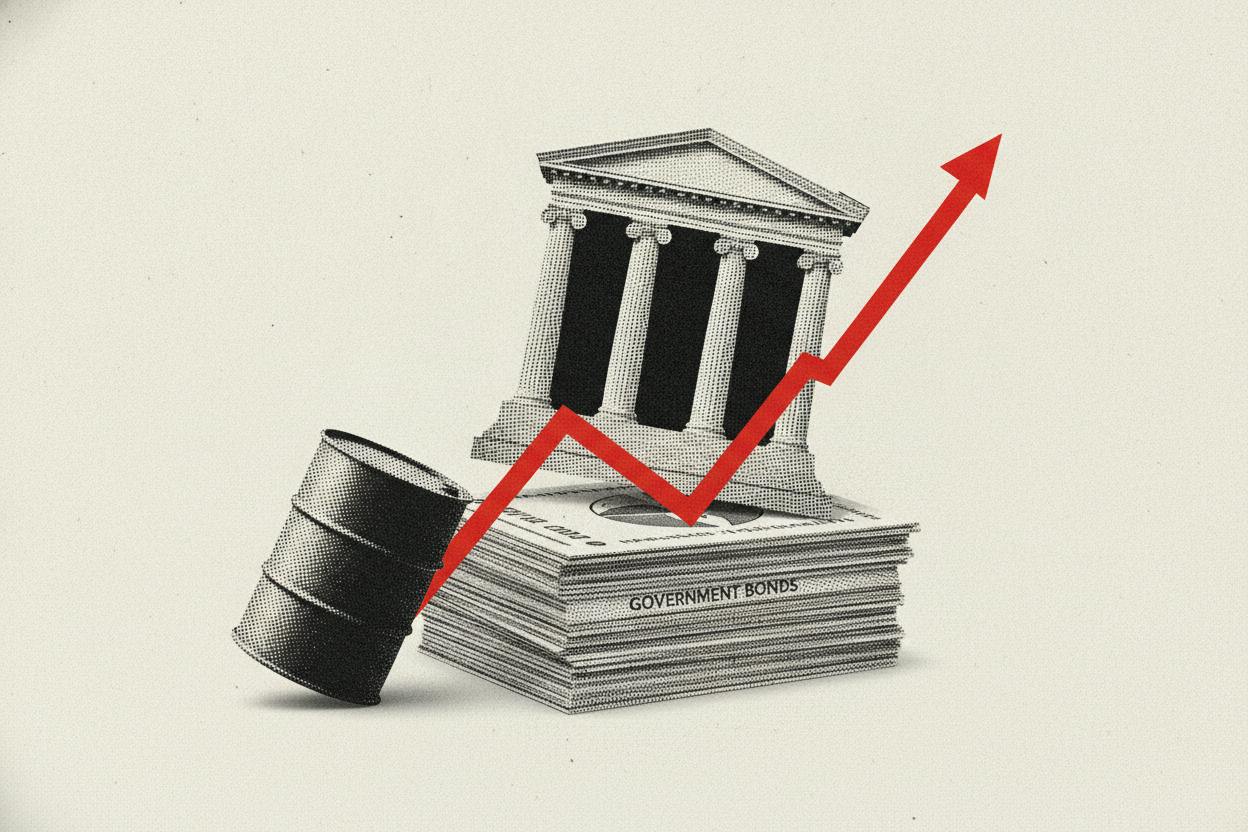
The dip came as oil prices ticked higher, adding to concerns about inflation and its impact on central bank policy. At the same time, government bond yields edged up, making fixed-income investments more attractive relative to stocks and increasing borrowing costs for companies.
Banks were the biggest drag on the index, a familiar pattern when bond yields rise—though in this case, the move was modest. Higher yields can squeeze lenders' margins if they signal economic slowdown, and investors often rotate out of financials when the outlook turns uncertain.
Auto stocks, however, rose on reports that the European Union may consider curbing imports of Chinese hybrid vehicles. Such a move could protect European automakers from cheaper competition, potentially boosting their market share and pricing power. The reports are unconfirmed, but the market reacted positively to the possibility.
Why oil and yields matter
Oil prices and bond yields are two of the most closely watched indicators for stock investors. When oil rises, it can push up costs for businesses and consumers, feeding inflation. When bond yields rise, they compete with stocks for investor money and raise the discount rate used to value future earnings, which can pressure equity prices.
The combination of higher oil and yields often creates a headwind for stock markets, as it did today. This dynamic has been a recurring theme in recent months, with investors trying to gauge whether central banks will need to keep interest rates higher for longer to tame inflation.
For context, similar moves have played out across global markets. In Asia, stocks slipped as oil topped $100 and US yields stayed high, while in the US, oil topped $101 as bond yields climbed, pressuring stocks and the euro. These episodes highlight how intertwined oil, yields, and equities have become.
What it means for investors
For everyday investors, the takeaway is that even modest moves in oil and bond yields can ripple through stock markets. A 0.3% decline in a broad index like the STOXX 600 is not dramatic, but it reflects the delicate balance markets are currently navigating.
If oil prices continue to climb, it could push inflation higher, potentially delaying interest rate cuts that investors have been hoping for. That would likely keep bond yields elevated and put continued pressure on stocks, particularly rate-sensitive sectors like banks and real estate.
On the other hand, the auto sector's rise shows that policy news can still drive individual industries. If the EU does move to curb Chinese hybrid imports, European automakers could see a competitive boost, which might support their shares in the coming weeks.
Investors should watch for confirmation of the EU's plans and keep an eye on oil prices and bond yields in the near term. These three factors—oil, yields, and policy—are likely to remain key drivers of European stock performance.
Looking ahead
Market participants will be watching for any official statements from the EU regarding Chinese hybrid imports, as well as upcoming economic data that could influence central bank decisions. The path of oil prices, particularly in light of geopolitical tensions, will also be in focus.
While today's decline is modest, it serves as a reminder that markets remain sensitive to inflation signals. For investors, staying diversified and keeping a long-term perspective is often the best approach when short-term volatility picks up.