European stocks edged lower on [day], with the pan-continental STOXX 600 index slipping 0.3%. The decline was driven by two forces: a sharp drop in oil prices that weighed on energy shares, and a dramatic profit warning from French rail group Alstom that sent its stock tumbling 27%.
The moves illustrate how quickly big-picture market shifts can filter down to individual companies. Energy stocks fell about 1% as Brent crude, the international oil benchmark, dropped roughly 3%. At the same time, some airlines rose, as cheaper fuel improves their cost outlook.
Why oil prices matter to European stocks
Oil is a major input for many industries, and its price moves can have a ripple effect across the market. When crude falls, energy producers like oil and gas companies see their revenue prospects dim, which is why their shares tend to drop. But for airlines, trucking firms, and other heavy fuel users, lower oil prices mean lower operating costs, which can boost profit margins.
That dynamic was on full display on [day]. While the energy sector dragged the STOXX 600 lower, some airline stocks gained, reflecting the cost relief that cheaper jet fuel brings. This kind of sector rotation is a common feature of markets when oil prices swing sharply.
The drop in Brent also has broader implications. Lower oil prices can ease inflationary pressures, which might influence central banks' decisions on interest rates. For everyday investors, that could mean cheaper goods and services over time, but it also signals weaker demand for energy, which can be a sign of slowing economic growth.
Alstom's profit warning rattles investors
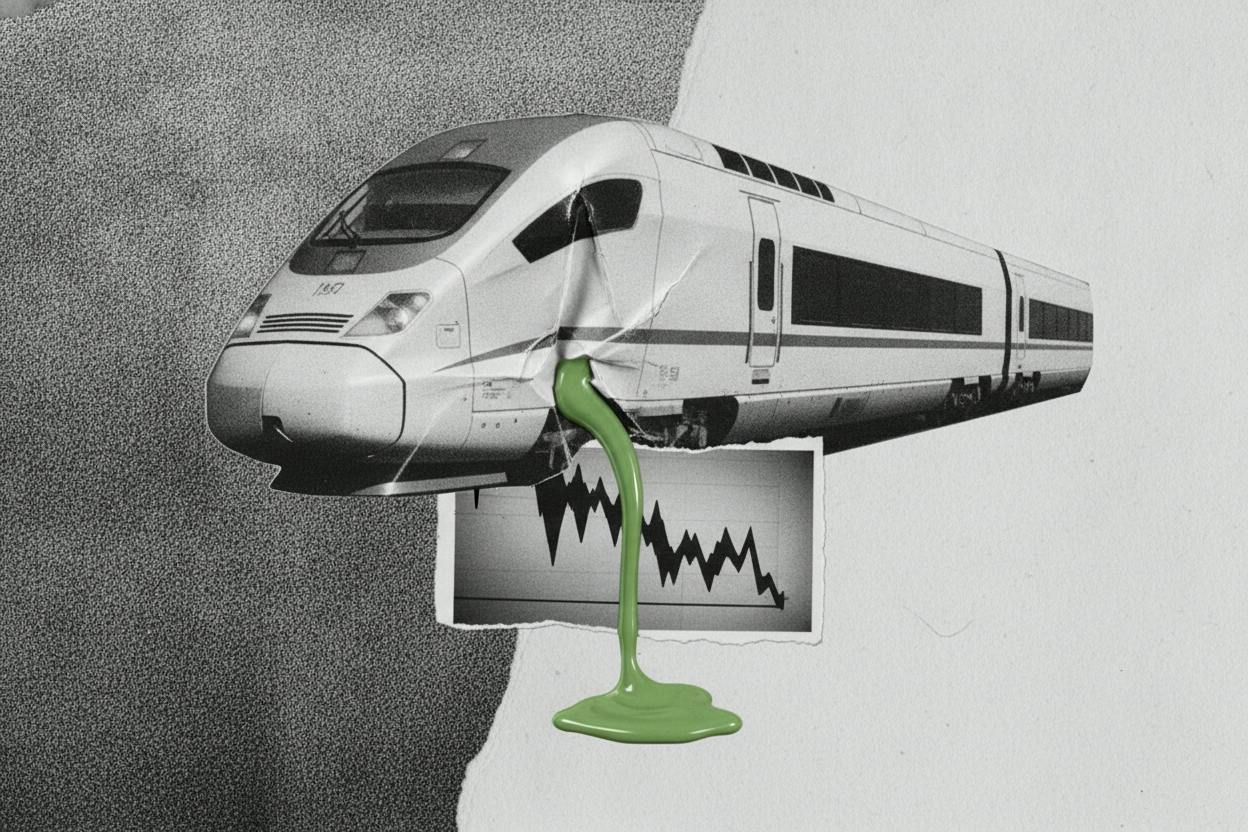
The bigger attention-grabber was Alstom, a French multinational that builds trains and other rail equipment. The company's shares plunged 27% after it cut its full-year profit-margin outlook and said it now expects negative free cash flow this year, reversing a previous forecast of positive cash flow.
Free cash flow is the cash a company generates after paying for the investments needed to maintain and grow its business. It's a key measure of financial health because it shows how much money a company has left to pay dividends, reduce debt, or reinvest. A negative free cash flow means the company is spending more than it brings in, which can raise concerns about its ability to fund future projects or return money to shareholders.
Alstom's warning is a reminder that even well-established companies can face unexpected challenges. The company has been dealing with delays in some of its projects, including issues related to train deliveries in Germany, as reported earlier. These delays can lead to higher costs and delayed payments, which hurt cash flow.
For investors, a profit warning of this magnitude is a red flag. It suggests that the company's management believes the year will be worse than previously expected, and it often leads to a sharp sell-off as analysts and investors reassess the stock's value. The 27% drop on [day] reflects that reassessment.
What it means for investors
For everyday investors, the day's moves offer a few takeaways. First, diversification matters. While energy stocks were hit by falling oil, other sectors like airlines benefited. A portfolio spread across different industries can help cushion the impact of sector-specific shocks.
Second, profit warnings are a reminder that individual stocks can be volatile. Even large, established companies can see their shares plunge on a single piece of news. That's why many financial advisors recommend focusing on a broad mix of investments rather than betting heavily on any one company.
Third, oil prices are a double-edged sword. Lower oil can be good for consumers and for companies that use a lot of fuel, but it can hurt energy producers and the economies that depend on oil exports. The slide in oil prices has been a boon for oil-importing countries like India, where stocks and the rupee have gained. But for European energy companies, it's a headwind.
Looking ahead, investors will be watching whether oil prices continue to fall and whether Alstom's troubles spread to other industrial firms. The broader market's reaction will also depend on upcoming economic data and central bank policy decisions. For now, the STOXX 600's modest decline suggests that investors are taking the news in stride, but the day's events are a good reminder that markets can move quickly on both macro and company-specific news.