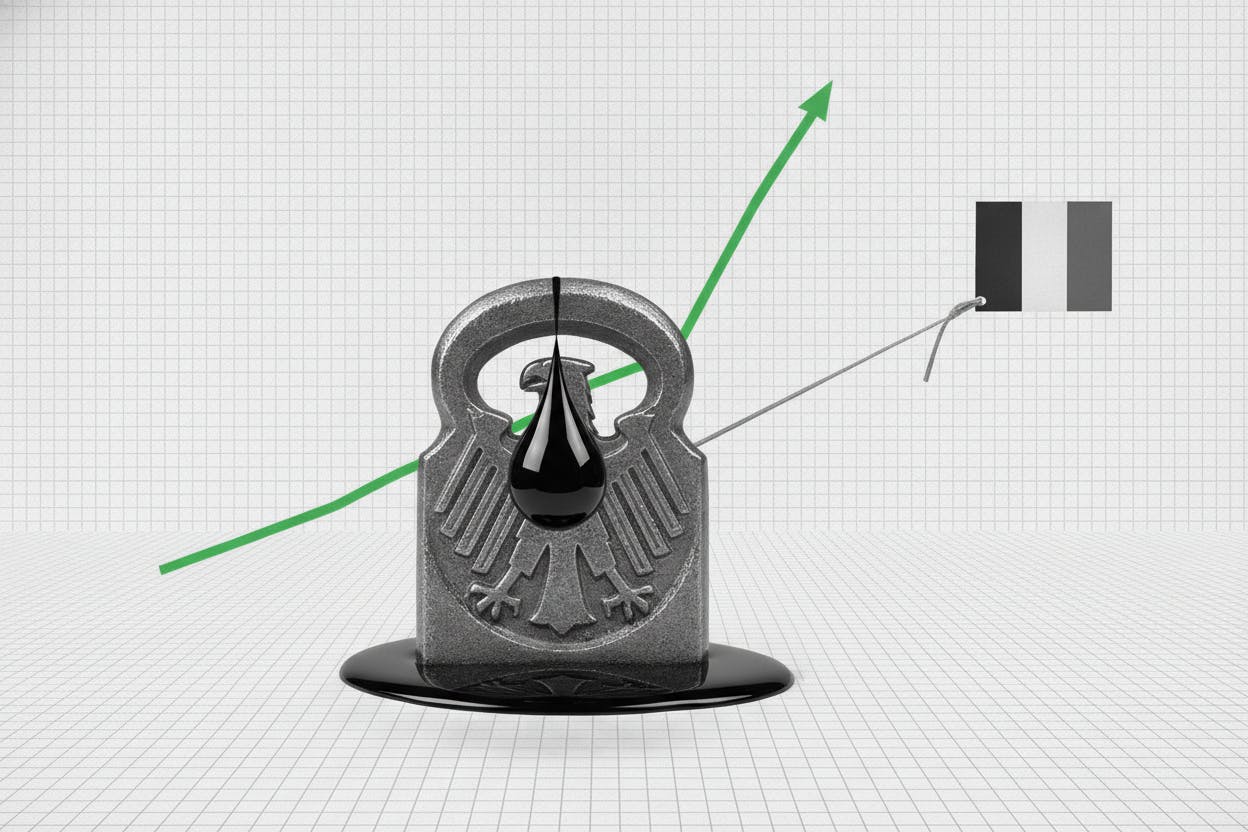
Eurozone government bond yields climbed to levels not seen in over a decade on Tuesday, as a jump in oil prices reignited fears that inflation will stay stubbornly high and force central banks to keep interest rates elevated for longer.
Germany's 10-year bond yield—the benchmark for the eurozone—rose to about 3.25%, its highest since May 2011, according to Reuters. The 30-year yield also surged, reaching its highest since July 2011. France saw an even more dramatic move, with its 10-year yield topping 4.09%, the highest since November 2008.
Why are yields rising?
Bond yields move inversely to prices. When investors sell bonds, yields rise. The current sell-off is driven by a familiar worry: higher energy costs. Oil prices have climbed recently, and more expensive energy can push up inflation across the economy—from fuel and shipping costs to the price of goods that rely on oil in their production.
That inflation fear feeds directly into expectations for interest rates. If inflation stays high, central banks like the European Central Bank (ECB) are likely to keep interest rates at elevated levels, or even raise them further. Higher interest rates make existing bonds less attractive, because new bonds will offer higher yields. So investors sell older bonds, pushing their prices down and yields up.
Another factor weighing on the market is the prospect of increased government borrowing. With higher interest rates, governments face bigger costs to service their debt. And if they need to borrow more to fund spending or stimulus, they will have to offer higher yields to attract buyers. That adds to the upward pressure on yields.
What does this mean for investors?
For everyday investors, rising bond yields have ripple effects across portfolios. First, they mean that the income from newly issued government bonds is more attractive than it has been in years. For those who hold bonds directly, this can be a positive—if you buy a bond today, you lock in a higher yield for the long term.
But for those who already own bonds, the picture is different. When yields rise, the market value of existing bonds falls. That's because a bond paying a lower interest rate becomes less valuable when new bonds offer higher rates. So investors holding bond funds or individual bonds may see the value of their holdings decline.
Rising yields also tend to put pressure on stocks, particularly growth stocks. Higher interest rates make future earnings less valuable in today's terms, and they also make bonds a more competitive alternative to stocks. As a result, equity markets often struggle when yields are climbing.
The move in Europe is part of a broader global trend. In the United States, Treasury yields have also been rising, with the 30-year yield recently hitting levels not seen since 2007, as soft retail sales data added to the mix. And in Asia, the Nikkei dropped 2.5% as oil prices and yields climbed.
Oil's role in the inflation picture
Oil prices have been a key driver of the recent yield moves. When oil jumps, it raises the cost of energy, which feeds into inflation readings. Central banks watch inflation closely, and any sign that it is staying high can prompt them to keep policy tight.
This dynamic is playing out across the globe. In India, for example, the central bank has had to step in to steady the rupee as oil neared $92 a barrel and US yields spiked. And in the commodities market, oil's jump has lifted yields, putting pressure on gold and copper.
For the eurozone, the situation is particularly delicate. The region is heavily dependent on energy imports, so higher oil prices hit the economy directly. At the same time, the ECB has been trying to bring inflation down to its 2% target, and a resurgence in energy costs could complicate that effort.
What to watch next
Investors will be watching oil prices closely in the coming days. If they continue to climb, yields could push even higher. They will also be listening for any signals from the ECB about the path of interest rates. The central bank has been raising rates to combat inflation, but it may be nearing the end of its tightening cycle. However, if inflation proves sticky, it could be forced to do more.
Another key factor is government borrowing. With yields at these levels, the cost of servicing debt is rising for eurozone governments. That could lead to fiscal concerns, especially for countries with high debt levels like France and Italy.
For ordinary investors, the takeaway is that the era of ultra-low bond yields is firmly in the rearview mirror. Higher yields mean more income for savers, but they also bring more volatility to both bond and stock markets. As always, diversification and a long-term perspective remain important.