First Abu Dhabi Bank (FAB), the largest bank in the United Arab Emirates, reported a 6% increase in third-quarter net profit, as strong loan growth helped boost interest income. The bank earned 5.74 billion dirhams in the three months ended September 30, up from 5.39 billion dirhams a year earlier.
What drove the profit growth?
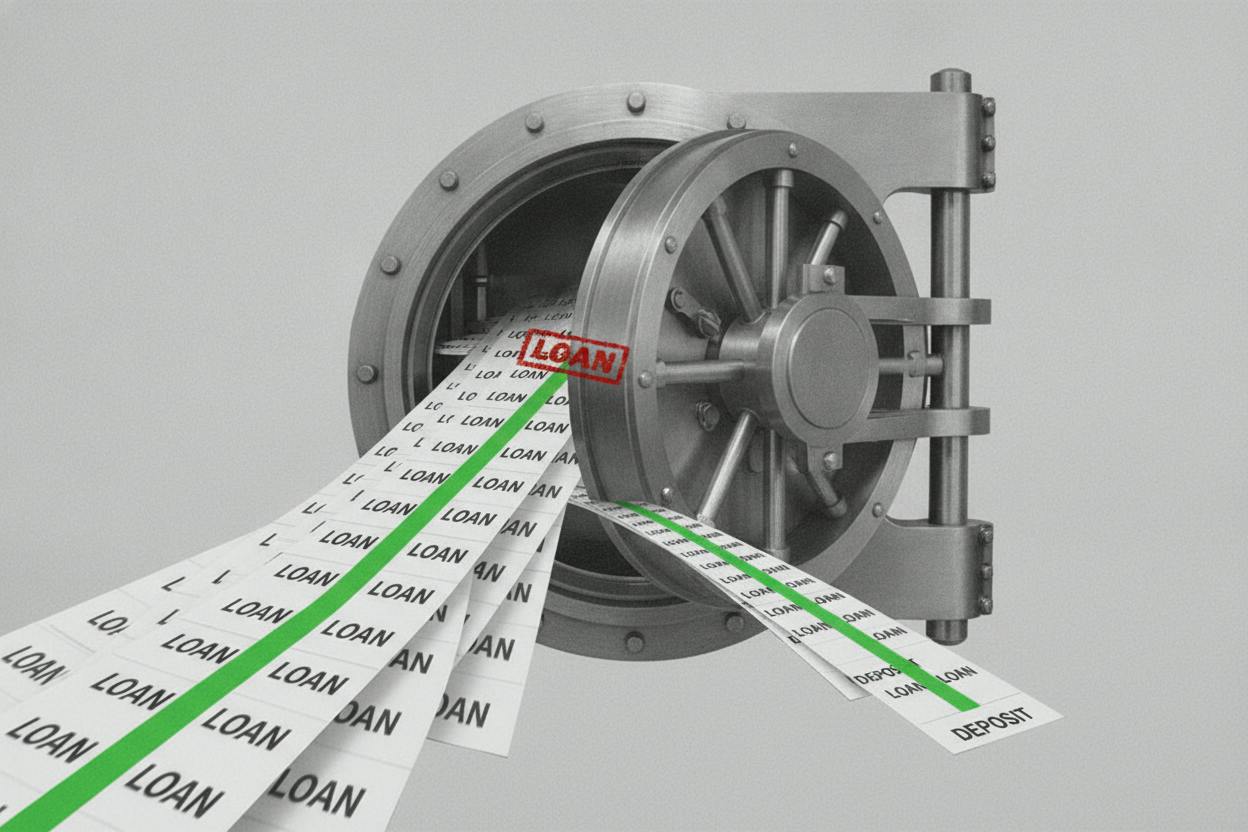
The main engine behind the profit rise was a healthy 11% jump in net interest income—the difference between what a bank earns on loans and what it pays out on deposits. This metric is a key indicator of a bank's core profitability, and FAB's improvement suggests that its lending business remained active during the quarter.
For the first nine months of the year, FAB's net profit grew 3% to 16.5 billion dirhams, reflecting a steady performance despite a more challenging economic environment. The bank's ability to grow its loan book while managing costs has been a focus for investors, and the latest results indicate that demand for credit in the UAE remains resilient.
Why does this matter?
FAB is often seen as a bellwether for the UAE banking sector, and its results offer insights into the health of the broader economy. When banks report higher interest income, it usually signals that businesses and consumers are borrowing more, which can be a sign of economic confidence. Conversely, a slowdown in lending might suggest caution among borrowers.
The bank's performance also reflects the impact of higher interest rates, which have been a tailwind for lenders globally. As central banks, including the UAE Central Bank, have raised rates to combat inflation, banks have been able to charge more on loans, boosting their margins. However, higher rates can also increase the cost of funding, so the net effect depends on how well a bank manages its balance sheet.
What it means for investors
For everyday investors, FAB's results are a reminder of how banking stocks can benefit from a rising rate environment. But it's important to look beyond the headline profit figure. Net interest income growth is a positive sign, but investors should also consider asset quality, capital levels, and the bank's ability to sustain growth over the long term.
FAB's stock has been a favorite among dividend seekers, and a stable profit performance supports the bank's ability to maintain payouts. However, as with any investment, there are risks. A slowdown in the UAE economy, tighter regulation, or a reversal in interest rates could all weigh on future earnings.
For those who own FAB shares or are considering adding them to a portfolio, the key takeaway is that the bank is executing well in a competitive market. Its focus on digital banking and expansion into new segments could provide additional growth avenues, but investors should keep an eye on how these initiatives translate into bottom-line results.
In summary, FAB's third-quarter earnings show a bank that is growing steadily, thanks to robust lending activity. While the 6% profit rise is modest, it underscores the bank's resilience and its ability to generate consistent returns for shareholders. As always, it's wise to consider how this fits into your overall investment strategy and risk tolerance.