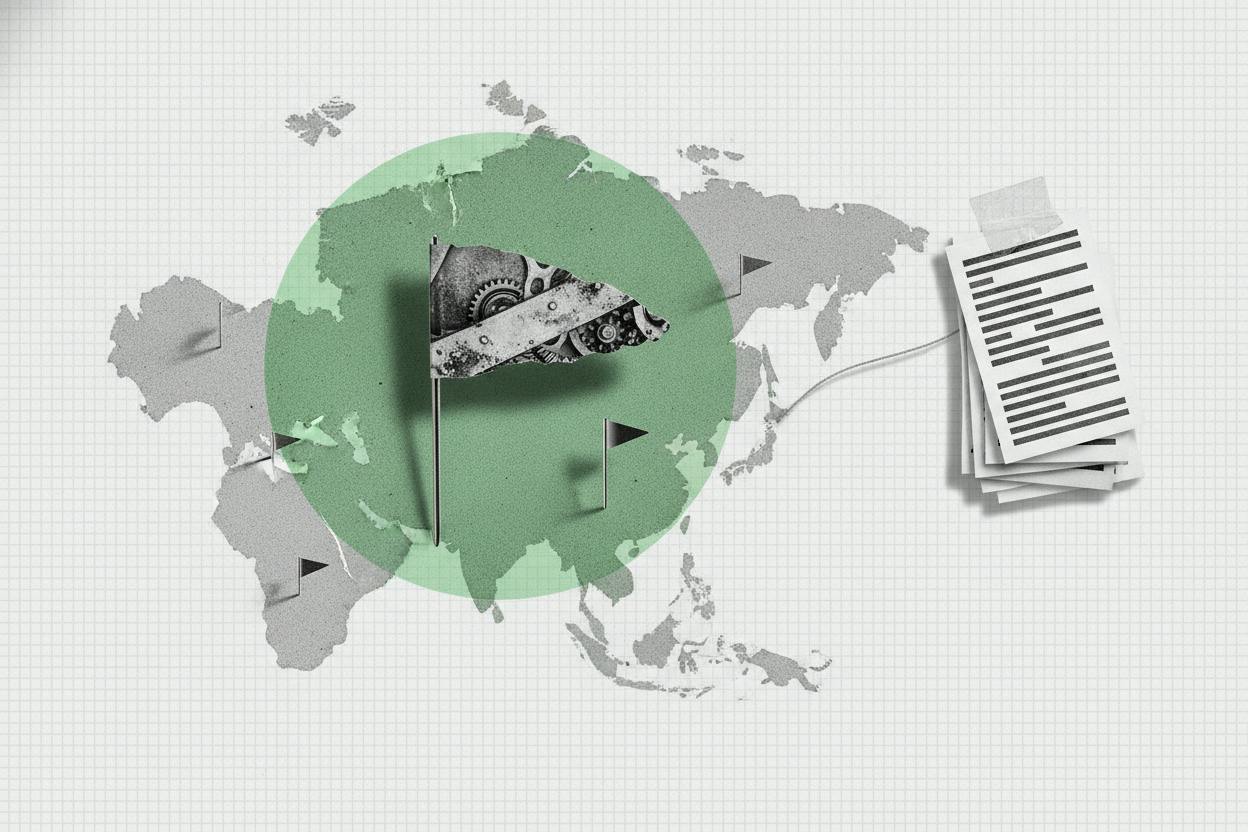
Commodity trader Traxys is expanding its footprint in Central Asia and the Middle East, betting that governments and manufacturers will keep pouring money into diversifying critical mineral supplies away from China. The company recently opened an office in Tashkent, Uzbekistan, with about 10 staff, adding to a Riyadh hub launched last year, CEO Mark Kristoff told Reuters.
Traxys, a metals and minerals trading firm, sees the Central Asian “Stans” as potential suppliers as countries fund new mines, processing facilities, and stockpiles to reduce reliance on China, which dominates production of many key inputs. The push is part of a broader trend: governments are spending billions to reshape supply chains for minerals used in batteries, aerospace, and other high-tech industries.
Why traders matter in critical minerals
For industrial “end users” like battery and aerospace companies, the challenge isn’t just price. It’s finding reliable, traceable material and negotiating contracts across unfamiliar jurisdictions. That’s where traders like Traxys come in. They aggregate supply, finance inventory or processing up front, and take the risk that a shipment arrives on spec and on time.
This role is becoming more important as governments and companies seek to “de-risk” away from China. The US, for example, has tapped Traxys as one of the traders to help buy raw materials for a planned $12 billion strategic reserve of critical minerals, as Reuters reported in February. Such large government buying programs tend to favor long-term contracts over one-off spot purchases, because the goal is security of supply, not bargain hunting.
That could entrench trader-led supply deals. More volume may shift into offtake agreements, where an intermediary pre-finances production and offers delivery guarantees. For miners, that means more predictable revenue; for manufacturers, it means more certainty of supply.
Middle East expansion faces headwinds
Kristoff also flagged that building in the Middle East has gotten harder given the region’s current tensions, even as cheap energy and expanding infrastructure make it a logical place for more mid-stage processing. The region’s low-cost energy is attractive for energy-intensive steps like refining and smelting, but geopolitical risk can complicate operations and logistics.
This tension highlights a broader challenge in the push to diversify supply chains: the places with the right resources or energy aren’t always the easiest places to do business. Companies must weigh cost advantages against political and security risks, and traders are often the ones navigating those trade-offs.
What it means for investors
For everyday investors, the key takeaway is that the global push to secure critical minerals is likely to reshape how these materials are bought and sold. If more companies and governments try to de-risk away from China at the same time, the pool of proven non-China supply can feel tighter than headline mine output suggests.
The result can be stickier premiums for material with clear origin paperwork and contract terms that big manufacturers can rely on. That could give more pricing influence to the smaller set of firms that can consistently source, finance, and deliver it. Traders like Traxys, which are positioned to facilitate these deals, may benefit from this trend.
Investors should also watch how government stockpile programs evolve. The US $12 billion plan, if it moves forward, could create a new source of demand for critical minerals, potentially supporting prices and encouraging new mining projects. But it also adds a layer of complexity, as government contracts often come with strings attached, such as domestic processing requirements or environmental standards.
For those with exposure to mining, battery, or aerospace stocks, the shift toward long-term, trader-arranged deals could mean more stable revenue streams for miners but also more competition for supply. For consumers, the ultimate impact may be on the cost of goods that rely on these minerals, from electric vehicles to electronics.
As the landscape evolves, keep an eye on how companies like Traxys expand their networks and how governments implement their stockpile plans. The race to secure critical minerals is still in its early innings, and the winners and losers will be determined by who can navigate the complex interplay of geopolitics, finance, and logistics.