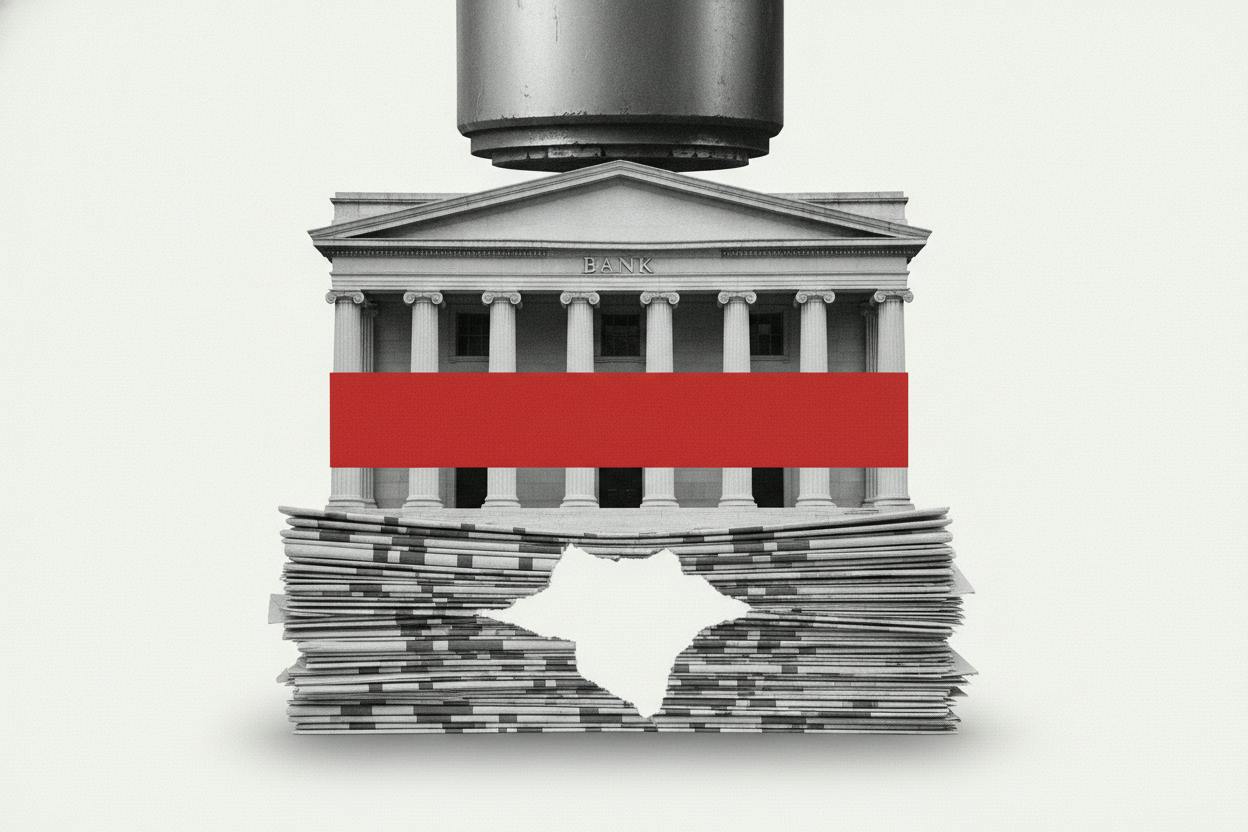
Australia's corporate regulator has put the country's biggest audit firms on notice, saying they are still missing the basics when it comes to audit quality and independence. The Australian Securities and Investments Commission (ASIC) said it is now tracking remediation plans from KPMG, PwC, Deloitte, EY, BDO, and Grant Thornton after its latest reviews found recurring problems.
ASIC's warning follows a string of misconduct scandals at the so-called Big Four firms. The regulator said its inspections found auditors were not consistently challenging management's assumptions, not gathering enough evidence to back their conclusions, and showing weaknesses in ethics and independence checks — the rules designed to keep auditors objective.
What ASIC found
ASIC Commissioner Kate O'Rourke said major judgments were not being tested well enough in key areas such as revenue recognition, impairment (writing down assets when they are worth less), and asset valuations. These are the estimates that can materially change a company's reported profits.
For example, revenue recognition involves deciding when and how much revenue to record, which can be complex for companies with long-term contracts or multiple deliverables. Impairment testing requires auditors to assess whether an asset's carrying value exceeds its recoverable amount, a judgment that can significantly affect earnings. Asset valuations, particularly for intangible assets or property, also rely heavily on assumptions.
ASIC has told the firms to produce action plans and will monitor whether they lead to "meaningful and lasting improvements." The regulator's scrutiny is not new — in September it said it was examining 551 complaints of potential audit misconduct at the Big Four. KPMG is also facing regulatory and political investigations after a whistleblower alleged it misused confidential client information to win more audit work.
Why it matters for investors
When a regulator is monitoring fix-it plans across the largest audit firms, audit teams tend to respond in the most defensible way: more testing, more documentation, and fewer gray areas waved through at sign-off. That lands hardest where numbers rely on assumptions rather than receipts, which is why ASIC highlighted revenue recognition, impairment, and asset valuations.
For investors, this can have practical consequences. A tougher challenge process can mean late adjustments to accounts, longer timetables for companies to publish results, and higher audit fees — especially for companies with complex contracts or hard-to-value assets. That can shift when "final" earnings become reliable and increase the chance of restatements or guidance changes if key estimates don't stand up to scrutiny.
In the broader context, Australia's markets are already dealing with inflation pressures and rate uncertainty. Hot inflation has lifted expectations of a Reserve Bank rate hike, which can affect how companies value assets and plan for the future. Tighter audits could add another layer of caution to corporate reporting.
For everyday investors, the key takeaway is that audited financial statements are only as reliable as the process behind them. When regulators push for higher standards, it may reduce the risk of accounting surprises but also introduce more friction in how and when companies report their numbers.
ASIC's move is part of a global trend. Regulators in other markets have also stepped up scrutiny of audit quality after high-profile corporate failures. The message to audit firms is clear: fix the basics or face ongoing monitoring and potential consequences.
As the watchdog tracks the action plans, investors will be watching to see whether the changes lead to more transparent and reliable financial reporting — or just more paperwork. Either way, the days of lenient audits may be numbered.