The Federal Reserve left its benchmark interest rate unchanged on Wednesday, as Wall Street had widely expected, but the central bank's accompanying statement carried a distinctly hawkish tone. The Fed sounded more optimistic about economic growth while repeating that inflation “remains elevated,” a combination that investors read as a signal the central bank is not ready to declare victory in its fight against rising prices.
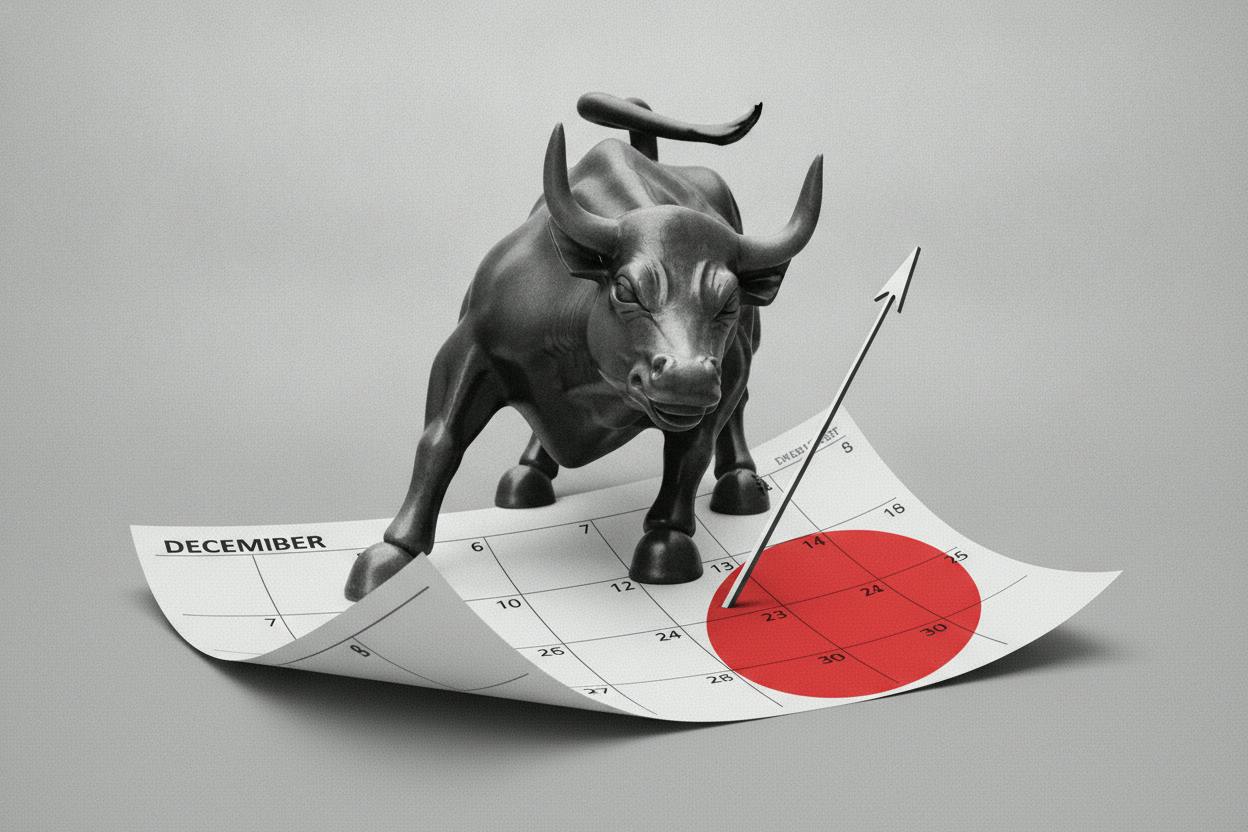
That interpretation quickly reshaped expectations for the next policy meeting. According to CME Group's FedWatch Tool, which tracks trading in fed-funds futures, the implied probability of a quarter-point rate hike in December jumped to 86.0%, up from 78.3% just a day earlier. In plain terms, traders now see a December move as nearly a done deal.
What the Fed did and why it matters
The Fed's decision to hold its key rate in a range of 5.25% to 5.50% was the second consecutive pause after a series of aggressive increases over the past year and a half. The rate is the one banks charge each other for overnight loans, and it influences borrowing costs across the economy—from mortgages and credit cards to business loans.
By holding steady, the Fed is giving itself time to assess how higher rates are filtering through to the economy. But the statement's language suggested that the pause is not the same as a stop. The Fed's repeated reference to inflation being “elevated” underscores that price pressures remain above its 2% target, and that further tightening could still be on the table.
Investors are now focused on the December meeting, where a 25-basis-point hike would bring the target range to 5.50%–5.75%. A basis point is one-hundredth of a percentage point, so a quarter-point move is a modest but meaningful step.
Market reaction: stocks steady, but the split tells a story
Despite the shift in rate expectations, major stock indexes barely moved on the day. The Dow Jones Industrial Average rose 0.15%, while the S&P 500 edged up slightly, reflecting a market that had already priced in the Fed's pause and is now looking ahead.
The muted reaction also masks a notable divergence beneath the surface. Rate-sensitive sectors, such as technology and real estate, often feel the pinch when rates rise, while financials and energy can benefit. The fact that the broader indexes held up suggests investors are taking the December hike in stride, viewing it as a final step rather than the start of a new cycle.
For everyday investors, the key takeaway is that the Fed's path remains data-dependent. If inflation cools faster than expected, the odds of a December hike could fade quickly. If price pressures persist, the central bank may feel compelled to act again.
What it means for your money
For those with savings accounts or certificates of deposit, a December hike could mean slightly higher yields on cash, as banks often pass along rate increases. On the flip side, borrowers—especially those with variable-rate debt like credit cards or home equity lines—could see their interest costs edge up.
Bond investors are watching closely, as Treasury yields have already moved higher in anticipation of further tightening. Higher yields on government bonds can pull money out of stocks, particularly high-valuation growth shares, and can also push up mortgage rates, affecting the housing market.
The Fed's next move will also have global ripple effects. A stronger dollar, often a consequence of higher U.S. rates, can pressure emerging-market economies and companies with overseas earnings. That dynamic is already visible in Latin American markets, which have been sensitive to U.S. monetary policy.
Looking ahead
Between now and the December meeting, investors will parse a stream of economic data, including jobs reports and inflation readings. The Fed has emphasized that its decisions will depend on the totality of incoming information, so any surprise in those numbers could shift expectations quickly.
For now, the market's message is clear: the Fed is not done yet, but it is moving cautiously. The upcoming earnings season and economic releases will likely set the tone for how much further rates have to go.
As always, the best approach for most investors is to stay diversified and avoid making drastic portfolio changes based on a single Fed meeting. Rate moves matter, but they are just one factor in a complex market environment.