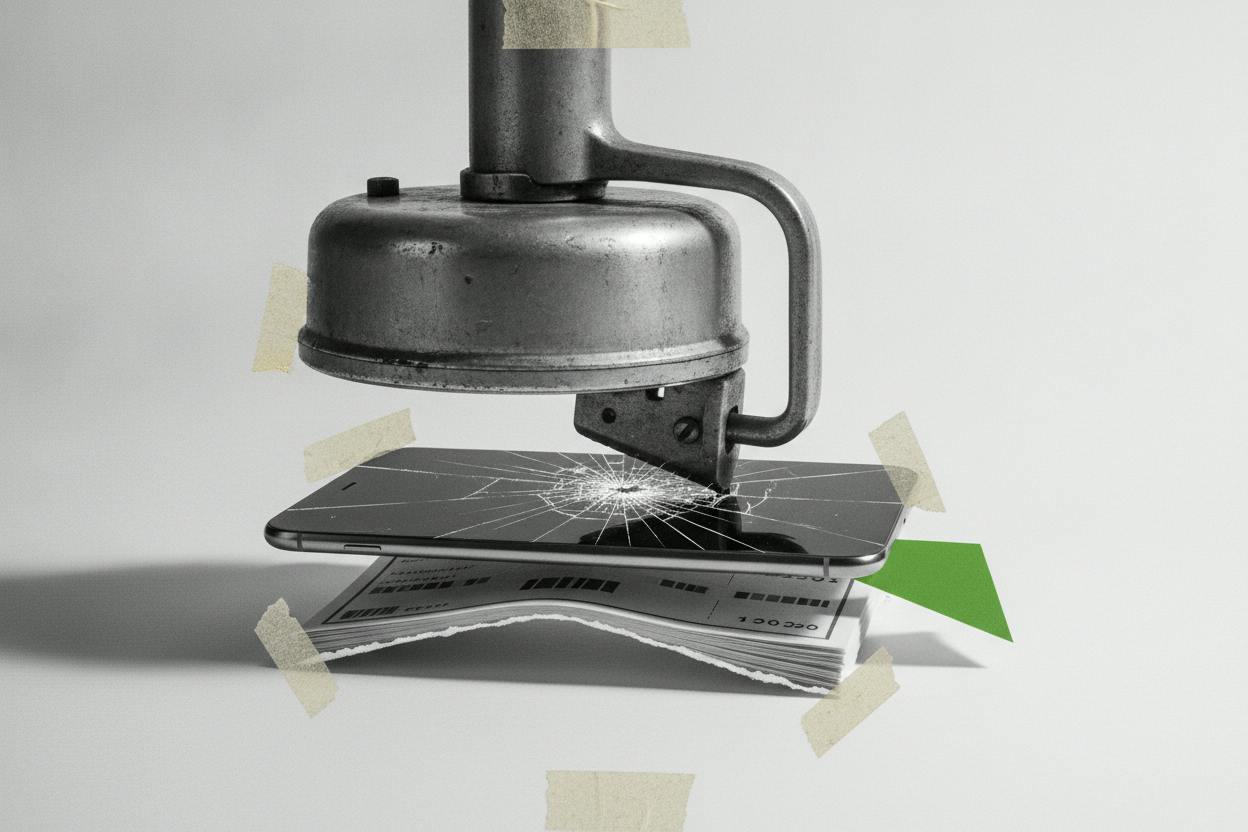
Federal Reserve Governor Michael Barr has added his voice to the growing debate over artificial intelligence and the future of work, warning that the rapid spread of AI tools could cause “serious short-term disruptions” in the US job market. Speaking at a Fed event focused on AI's economic effects, Barr stressed that the outcome is not predetermined—but policymakers need to prepare for fast shifts that could hit some workers harder than others.
Two paths for AI's impact
Barr sketched two possible futures. In the first, competition keeps AI cheap and widely available, allowing productivity gains to spread across many firms and workers. In the second, a few dominant companies control the most advanced AI, and the upside flows largely to the owners of labor-replacing software and machines. Barr suggested the second path looks more plausible.
That concentration scenario carries a stark implication: labor's share of national income—the portion of economic output that goes to workers rather than capital owners—could fall to a record-low 52.8% in the second quarter of 2026. That would mark a significant shift in how the benefits of economic growth are distributed.
Why this matters for everyday investors
For ordinary investors, the debate over AI and jobs is not just an academic exercise. It affects everything from corporate profits to consumer spending and interest rates. If AI displaces workers faster than new jobs are created, unemployment could rise, weighing on household incomes and spending. That, in turn, could slow economic growth and influence the Fed's decisions on interest rates.
On the other hand, if AI boosts productivity broadly, it could lift corporate earnings and support stock prices. The key is how the gains are shared. As Barr noted, the concentration of AI benefits among a few winners could exacerbate inequality, which has broader social and political implications.
Recent data on the labor market has been mixed. Jobless claims edged up to 200,000, but the labor market has held firm so far. That resilience could be tested if AI adoption accelerates.
What to watch next
Investors should keep an eye on how AI adoption unfolds across industries. Companies that successfully integrate AI to cut costs and boost efficiency may see their margins improve, but those that rely heavily on routine labor could face pressure. The tech sector, in particular, is at the center of this transformation—and AI stocks have already shown volatility in response to leadership changes and market sentiment.
Barr's comments also echo broader concerns about market concentration. If a handful of firms dominate AI, they could capture outsized profits, which might show up in equity valuations. But it also raises regulatory questions about competition and antitrust.
For now, the Fed is watching closely. Barr's remarks suggest that policymakers are thinking about how to cushion the transition for workers, possibly through education, training, or social safety nets. But he stopped short of proposing specific policies, emphasizing instead the need for planning.
The bigger picture
The AI-jobs debate is part of a larger narrative about technological change and economic inequality. Similar concerns arose during past waves of automation, and the outcomes were mixed. Some jobs were lost, but new ones were created. Whether AI follows that pattern or proves more disruptive remains an open question.
For investors, the takeaway is to stay informed and diversified. The labor market's health is a key driver of the economy, and any significant disruption could ripple through markets. As Barr put it, the path is not inevitable—but the risks are real enough that ignoring them would be unwise.