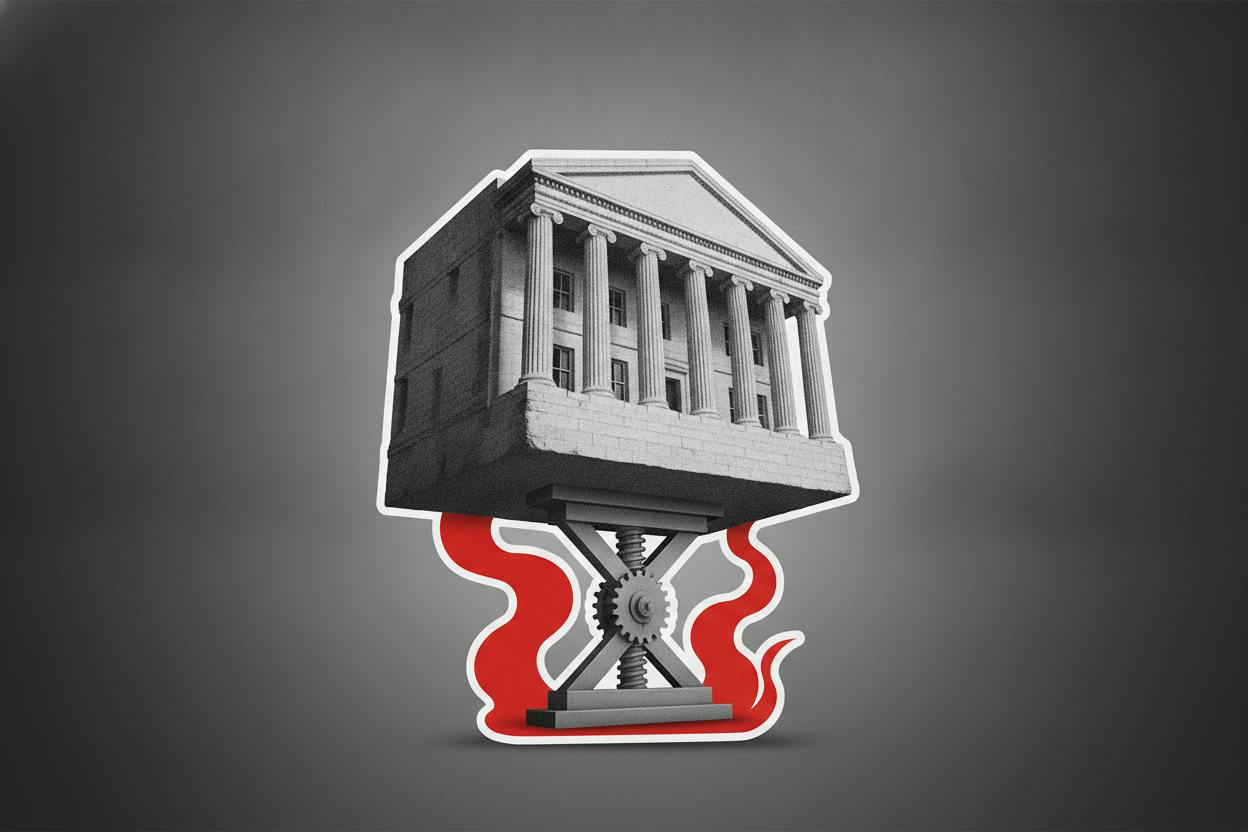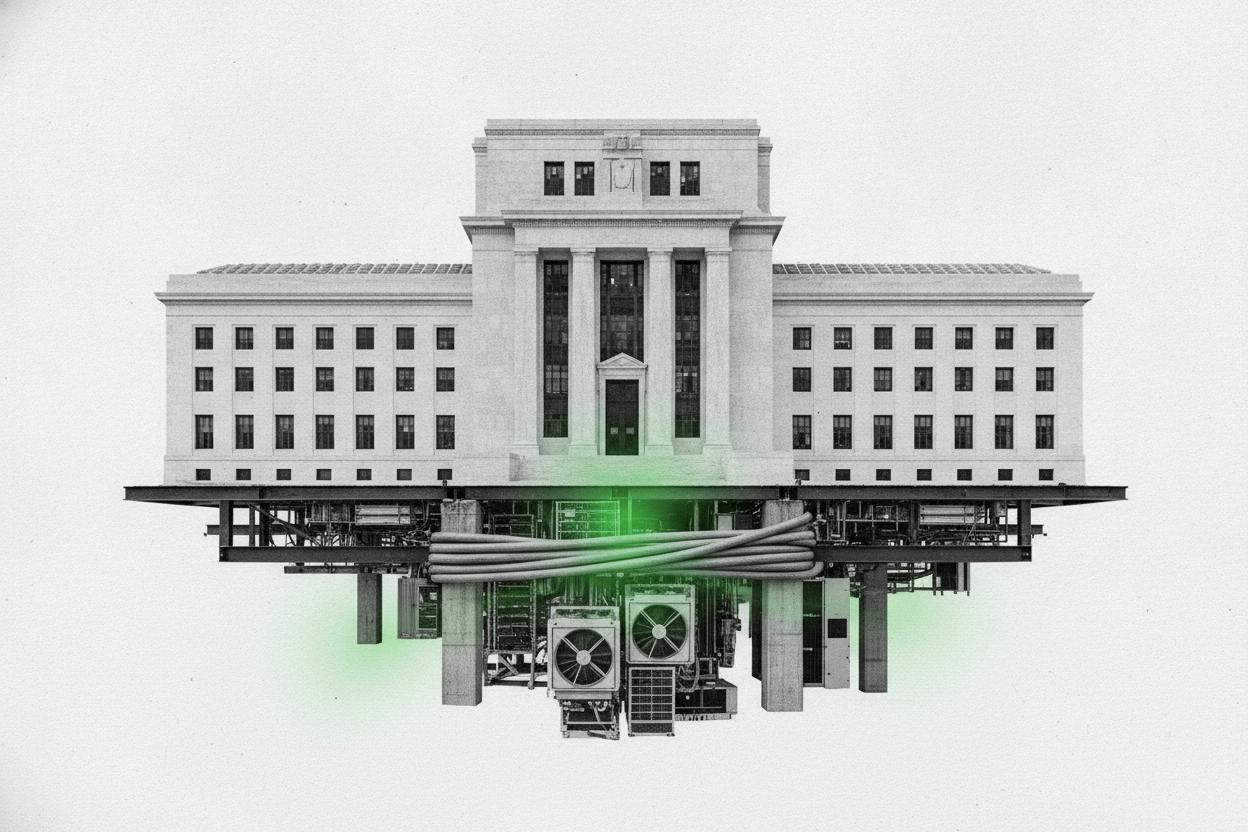
The Federal Reserve is increasingly viewing the artificial intelligence boom as more than just a growth story. In remarks at a conference in Brazil, Vice Chair Philip Jefferson said the rapid buildout of data centers and computing infrastructure is lifting demand right now — and adding to inflation.
Jefferson noted that business use of AI has jumped over the past two years, triggering a wave of spending on data centers, high-end chips, and servers. That investment could eventually pay off by helping companies produce more with the same workers and machines, which would ease price pressures over time. But the near-term effect, he said, looks more old-fashioned: lots of construction and equipment orders hitting an economy that is still working through capacity limits. That, he said, is “exerting upward pressure on demand and inflation.”
The Fed’s own meeting minutes, released Wednesday, echoed that view. Many policymakers see the AI buildout as a meaningful inflation risk, which helps explain why traders are still leaning toward another quarter-point rate hike next month, according to CME Group’s FedWatch tool.
Why the AI buildout is a demand story, not just a productivity story
For most people, AI is a productivity story — software that writes emails, summarizes documents, or powers chatbots. But for the economy, the more immediate impact is the physical infrastructure required to make it work. Data centers need massive amounts of electricity, cooling systems, construction crews, and specialized chips. All of that spending shows up in the economy today, before any efficiency gains appear in the data.
JPMorgan, the largest US bank, estimates that Amazon, Alphabet, Meta Platforms, Oracle, and Microsoft could spend about $900 billion on AI-related projects this year. Even if that estimate is only roughly accurate, it represents a significant jolt to demand. Big checks for power, cooling gear, and construction can keep inflation sticky, even if the long-term payoff is lower costs and higher productivity.
This is not just a US phenomenon. Google's Project Suncatcher is exploring putting AI data centers in orbit by 2029, a sign of how far companies are willing to go to secure power and space. And CATL is pitching off-grid power solutions for AI data centers, targeting US demand. These developments underscore the scale of the buildout and its potential to strain resources.
What it means for investors
When the Fed thinks that spending lifts inflation risk, it tends to keep interest-rate expectations higher for longer. That is why a quarter-point rate hike is still the base case for many traders, despite some recent signs of cooling inflation. JPMorgan sees more Fed hikes in January and March as inflation lingers, a view that aligns with the Fed's concerns about AI-driven demand.
Higher expected rates usually pressure “long-duration” assets — like long-maturity US Treasuries and growth-focused tech stocks — because more of their value depends on profits and payments expected many years in the future. When rates rise, those future profits are discounted more heavily, making such assets less attractive. That dynamic could create headwinds for the very tech companies driving the AI buildout, even as they benefit from the spending boom.
For everyday investors, the key takeaway is that the AI story is not just about innovation — it is also about inflation. The same spending that could transform industries is also keeping the Fed on edge, which affects everything from mortgage rates to stock valuations. Sterling slipped on hot UK inflation recently, a reminder that inflation concerns are global, and Banxico sees limited inflation risk from a weaker peso, showing how central banks are watching price pressures closely.
Investors should watch for any signs that the AI spending boom is slowing, as that could ease inflation pressures and reduce the need for further rate hikes. Conversely, if the buildout accelerates, expect the Fed to stay hawkish, which could keep bond yields elevated and put pressure on growth stocks.
Ultimately, the Fed's view on AI is a reminder that even transformative technologies have near-term economic consequences. The question for investors is not just whether AI will change the world, but how it will affect interest rates and market valuations in the meantime.