Federal Reserve Governor Christopher Waller offered a nuanced defense of forward guidance on Tuesday, telling a Bank of Italy conference in Rome that the tool can make monetary policy work faster — but only when the economic outlook is clear. When inflation and jobs risks appear evenly balanced, he warned, signaling future rate moves can backfire by boxing the central bank in.
What is forward guidance?
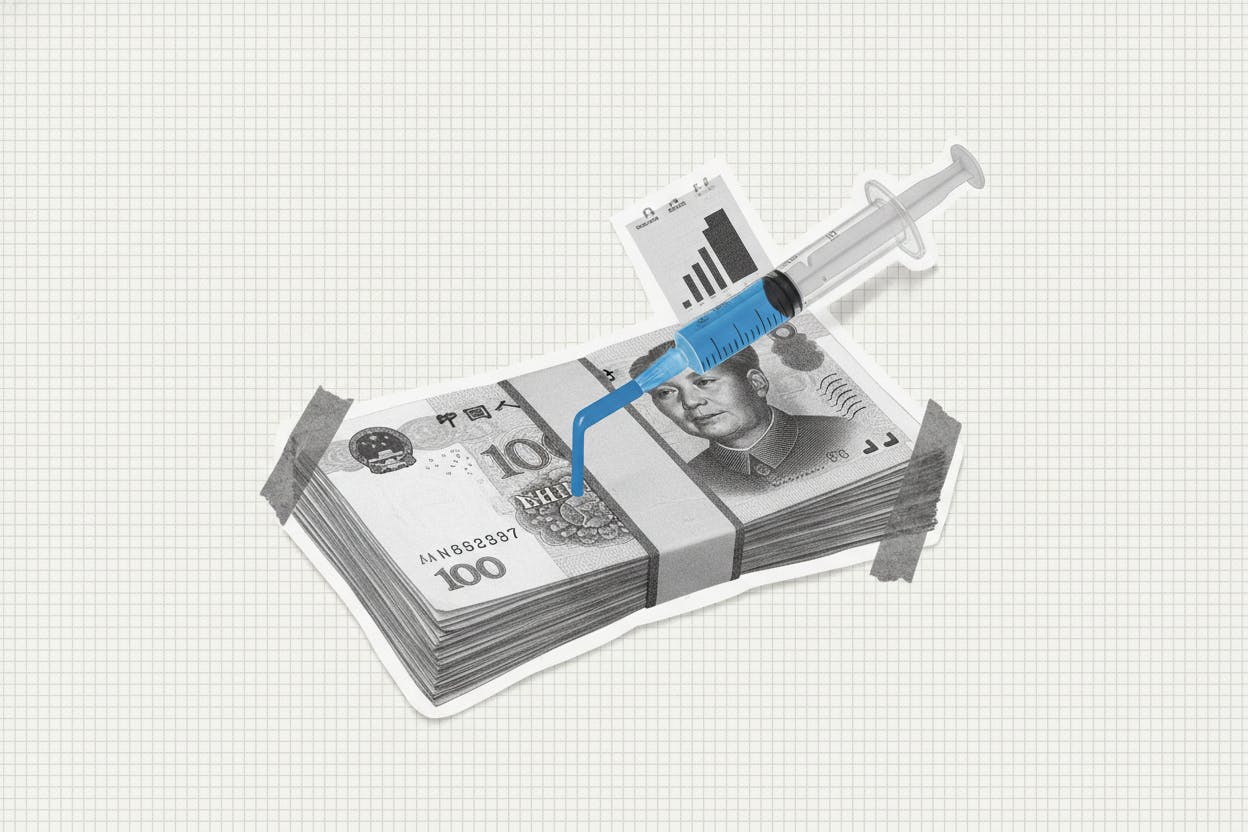
Forward guidance is the Fed's practice of communicating where it expects interest rates to go in the future. By telling markets and the public what it plans to do, the central bank can influence borrowing costs, spending and investment even before it actually changes rates. For everyday investors, that means mortgage rates, car loans and stock prices can move based on what the Fed says it will do, not just what it does today.
Waller argued that when the economic path is predictable — for example, when inflation is clearly too high or too low — forward guidance can speed up the impact of policy. Businesses and households adjust their behavior sooner, making rate changes more effective.
The big caveat: balanced risks
But Waller added a significant caution. When the Fed faces a situation where the risks to its two main goals — stable prices and maximum employment — are roughly equal, forward guidance becomes a liability. If the central bank signals a rate cut but inflation then flares up, or signals a hike but the job market suddenly weakens, it may be forced to reverse course. That can damage credibility and confuse markets.
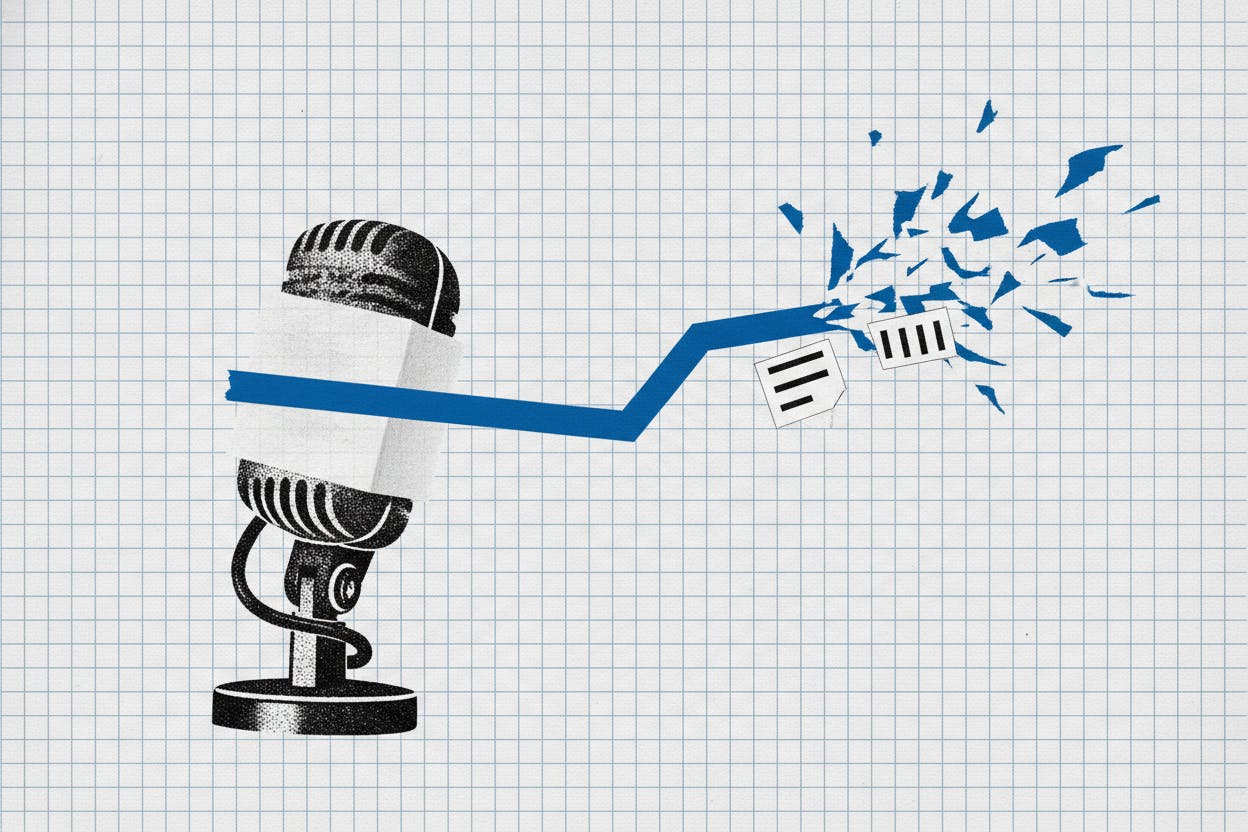
“If the outlook is uncertain and risks are two-sided, committing to a particular path can limit the Fed's flexibility,” Waller said, according to prepared remarks. The comment highlights a tension at the heart of modern central banking: the desire to be transparent versus the need to stay nimble.
Why this matters for investors
For everyday investors, Waller's remarks are a reminder that the Fed's words are not always as reliable as they seem. When the central bank issues forward guidance, it is making a best guess based on current data. If the economy shifts — say, inflation stays sticky or job growth surprises — that guidance can change quickly.
Investors should watch for periods when the Fed describes risks as “balanced.” That language, Waller suggests, is a signal that the central bank is less confident about its next move. In such times, market reactions to Fed speeches or minutes may be more volatile, as traders try to read between the lines.
The broader context: the Fed has been wrestling with inflation that has fallen from its 2022 peaks but remains above the 2% target, while the job market has stayed surprisingly strong. That combination makes the risk assessment unusually tricky. Waller's comments come as other Fed officials have also urged caution about cutting rates too soon.
What to watch next
Investors will be watching upcoming inflation and jobs data for clues on whether the Fed's risk balance tips one way or the other. If inflation continues to ease, forward guidance may become more straightforward. If it stalls, expect more caveats from Fed speakers.
Waller's speech also ties into a broader debate about how central banks communicate. Some economists argue that too much guidance can make policy rigid. Others say it is essential for transparency. For now, Waller's message is clear: forward guidance is a powerful tool, but it works best when the destination is visible.