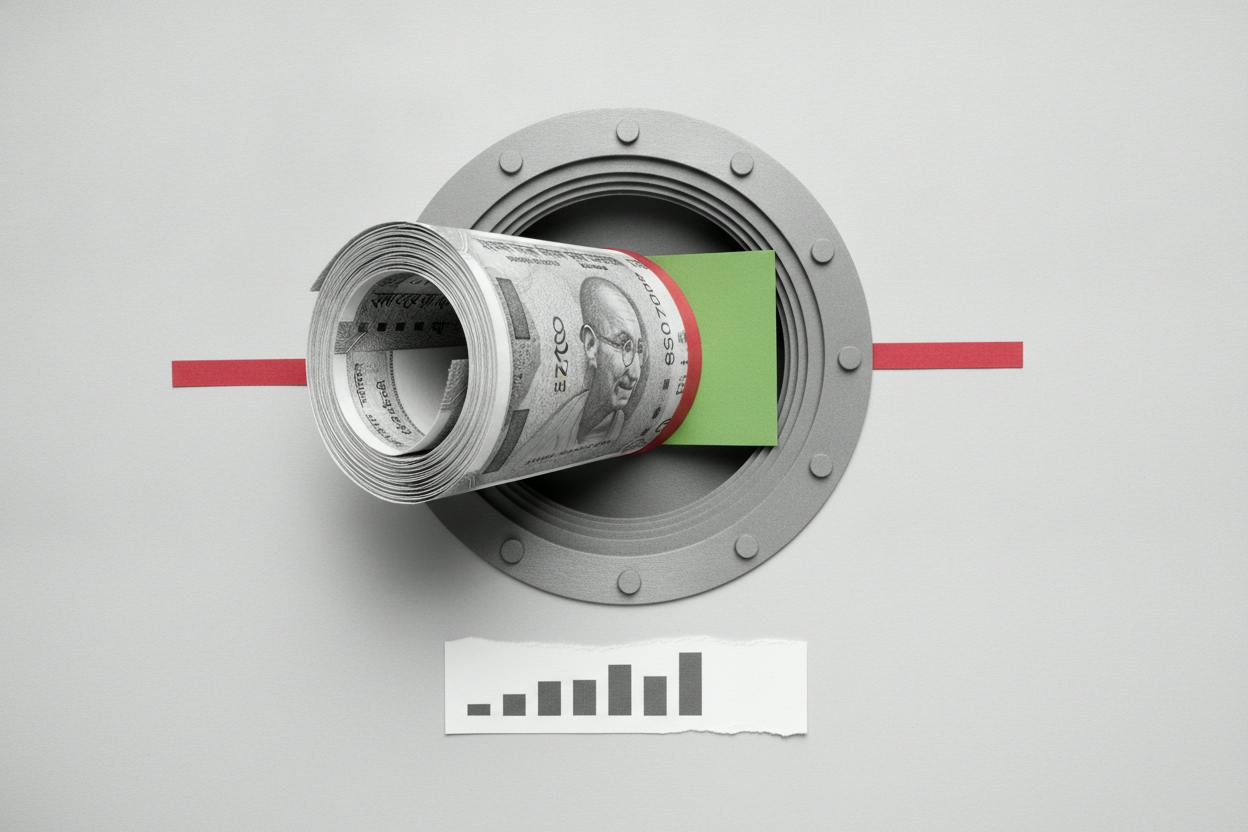
Federal Bank, an Indian private lender partly owned by Blackstone, has warned investors that a coming regulatory change will force it to set aside more money for potential loan losses, taking a one-time bite out of its net worth. The bank estimates the hit will be between 1.5% and 2% of its net worth, which stood at 387 billion rupees as of March 31, 2026.
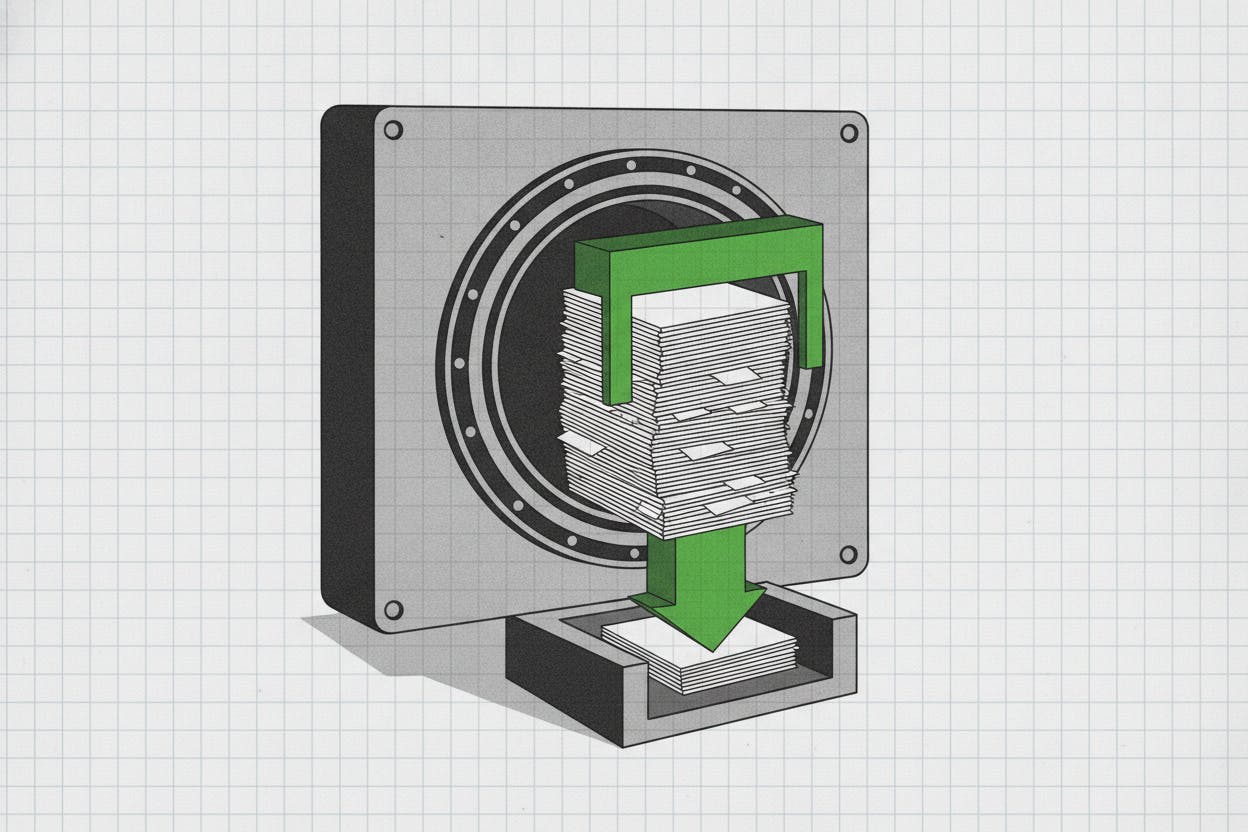
The change comes from the Reserve Bank of India (RBI), which is moving the country's banking system to an expected credit loss (ECL) framework. Under the current system, banks only provision for loans after they show clear signs of trouble—like missed payments. The ECL model requires them to estimate future losses from the moment a loan is issued, pulling forward the cost of defaults that may never happen.
What Is the Expected Credit Loss Framework?
The ECL approach is similar to accounting standards already used in many developed markets, including the U.S. and Europe. It forces banks to be more forward-looking: they must set aside capital based on probability-weighted scenarios of future defaults, rather than waiting for a loan to actually go bad.
For Federal Bank, that means a larger upfront provisioning requirement on its existing loan book when the rule takes effect. The RBI has set an implementation date of April 1, 2027, but banks are already preparing for the transition. The one-time hit reflects the difference between provisions already held under the old system and what would be required under the new one.
It's important to note that this is an accounting adjustment, not a sign that Federal Bank's loan portfolio is deteriorating. The bank is simply being asked to recognize potential losses earlier. Over time, the ECL framework should smooth out provisioning costs and make bank earnings less vulnerable to sudden spikes when loans actually default.
What It Means for Investors
For everyday investors, the key takeaway is that Federal Bank's net worth—essentially its capital buffer—will shrink by 1.5% to 2% on day one of the new rules. That reduces the bank's ability to absorb unexpected losses and could temporarily pressure its return on equity, a key profitability metric.
However, the impact is manageable. A 2% hit to net worth is not catastrophic for a well-capitalized lender. Federal Bank has been profitable and has a strong deposit base, partly thanks to its backing by Blackstone, the global private equity giant that has also been active in other Indian financial deals. (Blackstone recently helped finance Angelini Pharma's $4.1 billion acquisition of Catalyst Pharmaceuticals.)
Investors should watch for similar announcements from other Indian banks. The RBI's ECL shift will affect every lender in the country, though the magnitude will vary depending on loan mix, credit quality, and existing provisioning levels. Banks with higher exposure to unsecured lending or stressed sectors like agriculture may face larger hits.
The broader context is that Indian banking has been strengthening in recent years, with lower non-performing loan ratios and improved capital adequacy. The ECL framework is part of a global push toward more transparent and conservative accounting, which should ultimately make the system more resilient.
What to Watch Next
Federal Bank's disclosure is an early signal, but the full picture won't be clear until other banks release their own estimates. The RBI may also provide transitional relief, allowing banks to phase in the impact over several quarters rather than taking it all at once.
For now, the market is likely to treat this as a known, one-off event. The real focus for Federal Bank will be on its core business: loan growth, asset quality, and net interest margins. If the bank can maintain its lending momentum and keep defaults low, the ECL adjustment will be a footnote in its long-term story.
As always, investors should avoid overreacting to accounting changes. The underlying economics of Federal Bank haven't shifted—only the timing of when it must recognize potential losses. The best approach is to monitor how the bank manages its capital and whether it continues to generate strong earnings that can rebuild its net worth over time.