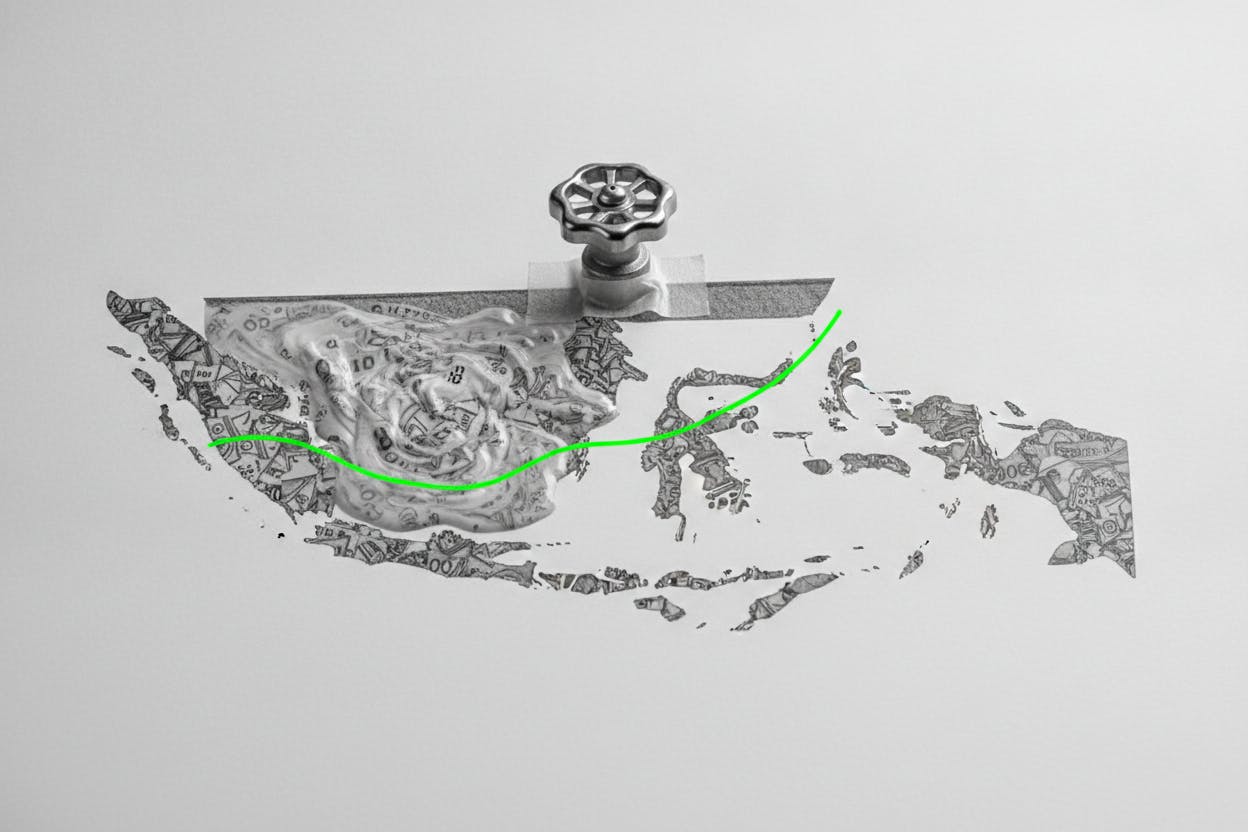
Indonesia's central bank is working to keep money flowing smoothly between lenders after a brief reshuffling of government deposits temporarily squeezed cash in parts of the banking system. The move highlights the delicate balancing act central banks face in managing liquidity, especially in emerging markets where government cash flows can create sudden ripples.
What Happened
Bank Indonesia, the country's central bank, reported that the INDONIA overnight interbank rate has eased since June 2026. Senior Deputy Governor Destry Damayanti said INDONIA fell to 6.17% as of Thursday, down from 6.62% in June 2026. The decline signals that banks are now bidding less aggressively for short-term funds, a sign that liquidity conditions have improved.
The easing followed a period when government deposits briefly moved out of state banks, tightening cash availability for some lenders. When large sums shift, banks may need to borrow more from each other to meet reserve requirements, pushing up short-term rates. The central bank's actions helped smooth out those pressures.
What Is INDONIA?
INDONIA stands for Indonesia Overnight Index Average. It is the interest rate that banks charge each other for one-day loans in the interbank market. Think of it as a daily thermometer for how much cash is sloshing around the banking system. When rates rise, it suggests banks are short on cash and competing for funds. When rates fall, liquidity is more plentiful.
Central banks watch these rates closely because they affect how easily banks can lend to businesses and consumers. If interbank rates spike, banks may pass on higher costs to borrowers, slowing economic activity. Conversely, lower rates can support lending and growth.
Why It Matters for Investors
For everyday investors, the health of a country's banking system is a key indicator of economic stability. When liquidity is tight, banks may pull back on lending, which can slow corporate earnings and weigh on stock markets. In Indonesia, the central bank's efforts to keep interbank rates stable are a positive sign for investors watching the country's financial system.
Indonesia's economy has been growing steadily, but it faces challenges from global interest rate trends and commodity price swings. The country is a major exporter of nickel and other resources, and recent tensions in the Strait of Hormuz have pushed nickel prices higher, benefiting Indonesian miners like Amman Mineral. However, liquidity management remains crucial for sustaining growth.
Investors should also note that central bank actions in one country can have ripple effects. For example, China's recent $8.6 billion CXMT IPO drained market liquidity, causing tech stocks to plunge 7%. Similarly, South Korea's KOSPI fell 7% after its central bank hiked rates, showing how liquidity and rate decisions can move markets.
Broader Context
Central banks across Asia are grappling with similar liquidity challenges. In Nigeria, the central bank held rates steady despite cooling inflation, while New Zealand's central bank warned that oil prices could force more rate hikes. Thailand's central bank also held its key rate at 1.00% as inflation stayed below forecast.
Indonesia's situation is unique because of its reliance on commodity exports and the role of state banks in the financial system. The government's deposits are a major source of liquidity for these banks, so any shift can have outsized effects. The central bank's ability to manage these flows is critical for maintaining confidence.
What to Watch Next
Investors should monitor INDONIA and other interbank rates for signs of renewed stress. If the rate stays low, it suggests the central bank has successfully smoothed out the disruption. However, if rates spike again, it could indicate deeper liquidity issues.
Also watch for any changes in Bank Indonesia's policy rate, which influences borrowing costs across the economy. The central bank has been cautious, balancing the need to support growth with the risk of inflation. For now, the easing of interbank rates is a welcome development for Indonesian markets.
For those invested in Indonesian stocks or bonds, stable liquidity is a positive backdrop. It reduces the risk of sudden sell-offs and supports corporate financing. However, global factors like commodity prices and US interest rates will continue to play a role.