Fertiglobe, a major Middle Eastern fertilizer producer, reported second-quarter sales that beat analyst expectations, even as shipping disruptions across Gulf trade routes weighed on its own production volumes. The company's ability to lean on third-party trading and strong output from its Egyptian and Algerian plants helped offset the headwinds.
Revenue beats forecast on higher prices and volumes
FAB Securities, a UAE-based brokerage, said Fertiglobe's second-quarter revenue reached $1.09 billion, well above its own $951 million forecast. Net profit came in at $115 million. The beat was driven by higher prices for ammonia and urea — two key fertilizer products — as well as a significant jump in sales volumes.
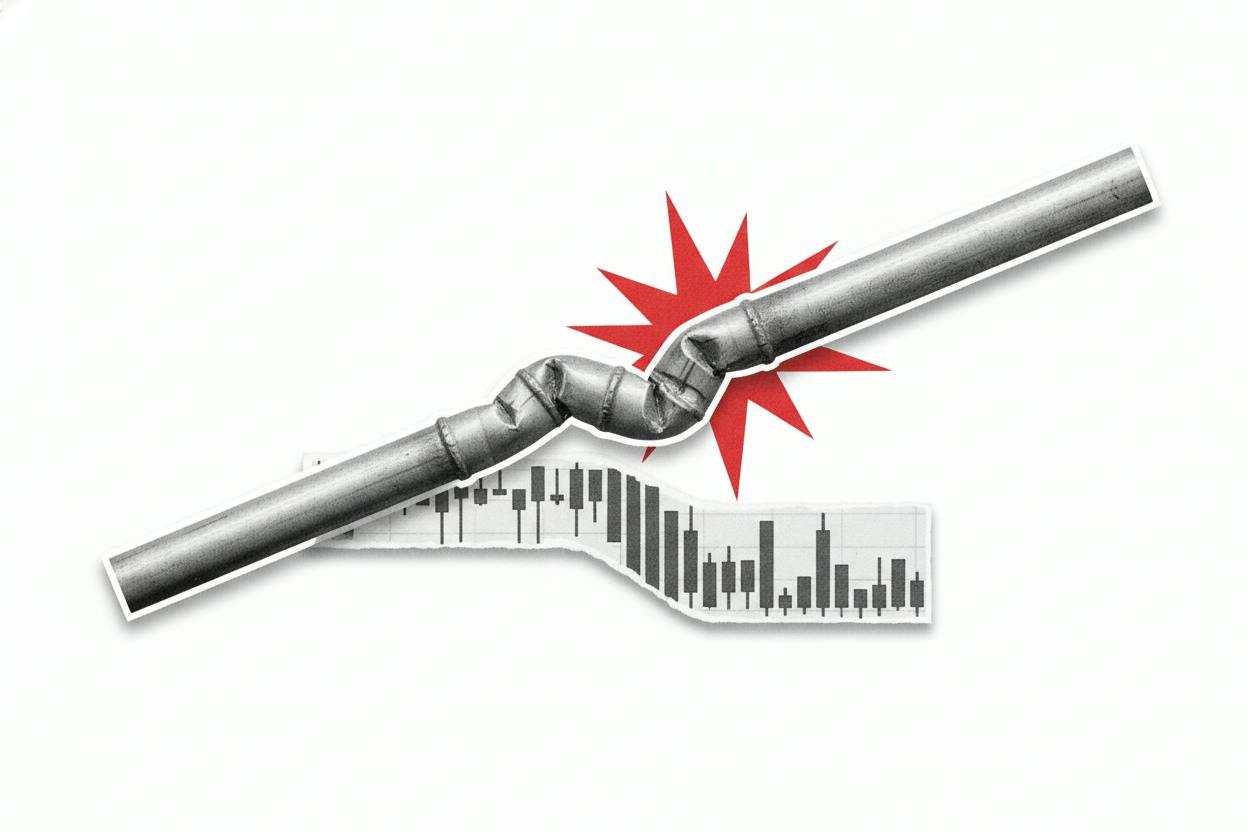
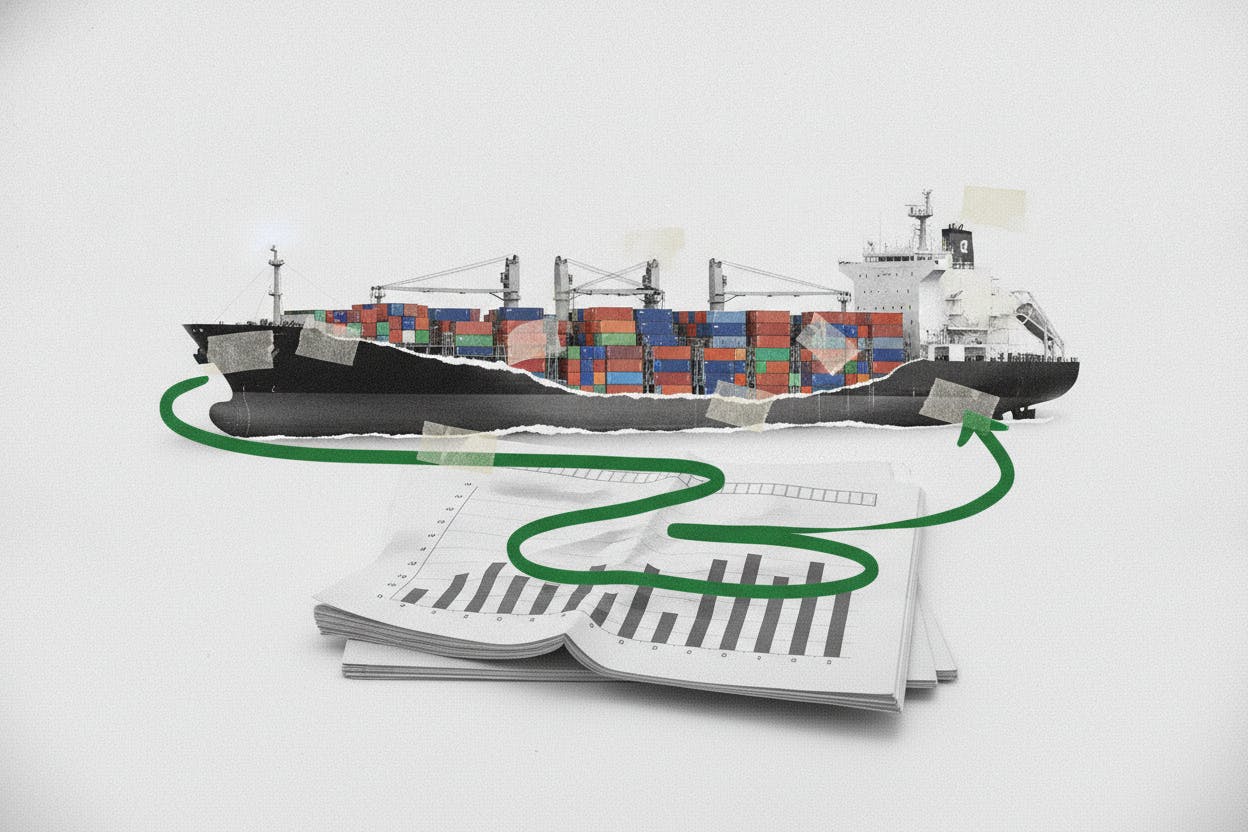
However, much of that volume came from third-party trading rather than from Fertiglobe's own production. Trading typically carries thinner margins than manufacturing, so the mix matters for profitability. The company's own-produced volumes were pressured by disruptions around Gulf Cooperation Council (GCC) shipping routes, which have been affected by regional tensions and logistical bottlenecks.
Strong operational performance in Egypt and Algeria helped limit the damage to Fertiglobe's own output. Those plants continued to run reliably, providing a buffer against the Gulf-related challenges.
What the shipping disruptions mean
The Gulf region is a critical artery for global fertilizer trade, and any disruption there can ripple through supply chains. Fertiglobe's experience highlights how even companies with diversified production bases can be affected by geopolitical and logistical risks. The company's ability to pivot to third-party trading shows a degree of flexibility, but it also underscores the margin pressure that can come from relying on external sources.
Investors should note that trading revenue can be more volatile than manufacturing revenue. When prices are rising, trading can boost top-line growth, but it may not translate into proportional profit gains. That dynamic is likely to be a focus for analysts as they assess Fertiglobe's earnings quality.
Broader context: fertilizer market trends
The fertilizer sector has been navigating a complex environment. After a period of elevated prices following the Russia-Ukraine conflict, prices have moderated but remain above historical averages. Demand for ammonia and urea is tied to global agricultural activity, which has been steady. Fertiglobe's results suggest that pricing power remains intact, at least for now.
Other companies in the sector have also reported mixed results. For example, Glencore's trading profits beat expectations, highlighting the importance of trading operations in commodity markets. Similarly, RWE lifted its 2026 outlook after a strong first half, showing that energy and commodity firms are benefiting from favorable pricing.
What it means for investors
Fertiglobe's sales beat is a positive signal, but the details warrant caution. The reliance on third-party trading to meet volume targets suggests that the company's own production is facing real headwinds. If shipping disruptions persist, Fertiglobe may need to continue leaning on trading, which could compress margins over time.
On the other hand, the strong performance in Egypt and Algeria shows that Fertiglobe's diversified asset base can be a source of resilience. Investors will want to watch whether the company can resolve the Gulf shipping issues or shift more production to less disrupted regions.
FAB Securities maintained its buy rating on the stock, indicating confidence in the company's long-term prospects. However, as with any investment, it's important to consider the risks. The fertilizer market is cyclical, and any downturn in global agricultural demand or a sharp drop in fertilizer prices could reverse the current momentum.
For everyday investors, Fertiglobe's results are a reminder that headline numbers can sometimes mask underlying complexities. A revenue beat is good news, but understanding where the growth came from — and whether it's sustainable — is key to making informed decisions.