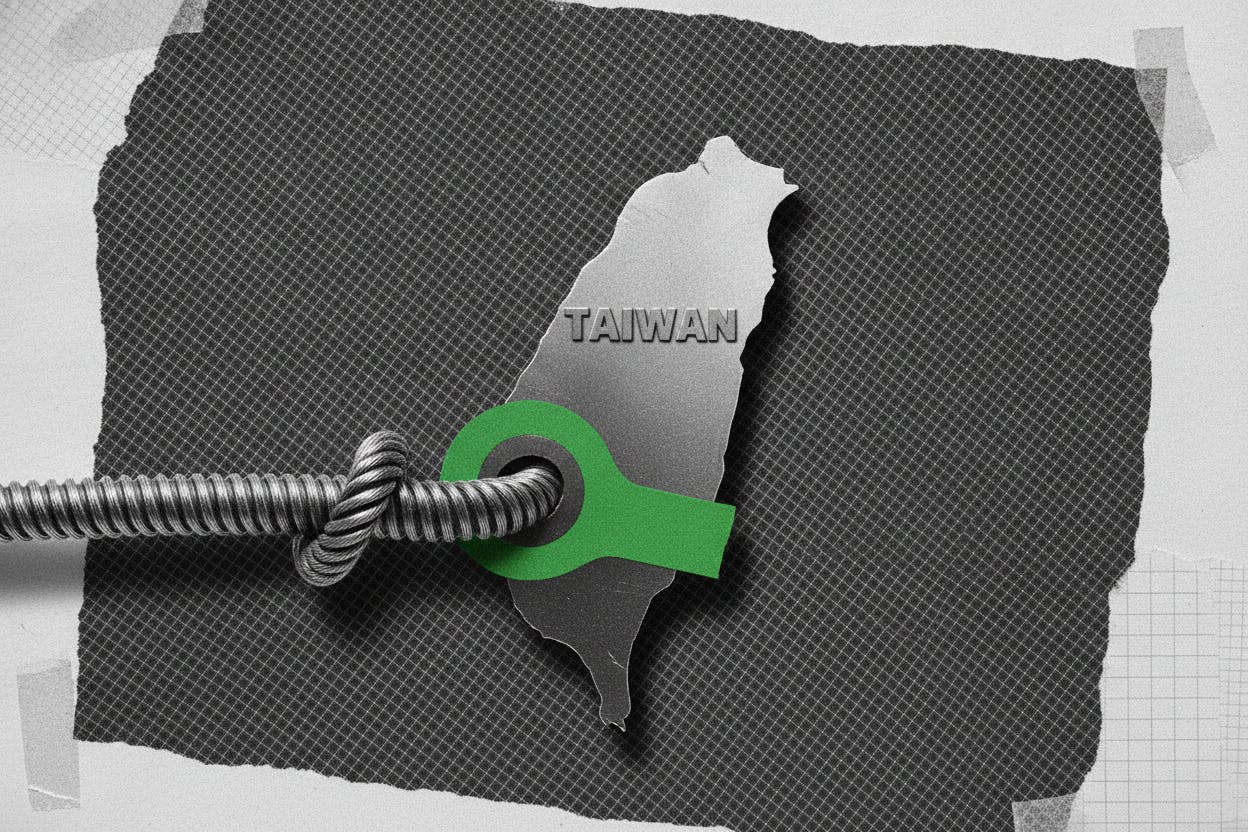
Credit ratings agency Fitch Ratings has kept its neutral outlook on Taiwan's banking sector, signaling that the island's lenders are weathering a fresh wave of global shocks—from the ongoing Iran conflict to uncertainty over future US tariffs—without significant strain.
In its latest assessment, Fitch said the spillover from the Iran war appears "manageable" for Taiwan's banks, thanks in large part to steady demand tied to the semiconductor and artificial intelligence industries. Taiwan is home to TSMC, the world's largest contract chipmaker, and its tech sector has been a key driver of economic growth and lending activity.
Strong economic growth underpins lending
Fitch still expects Taiwan's economy to grow 9.4% in 2026, a rapid pace that would support further expansion in bank lending. The agency projects loan growth will widen to 10% this year, up from 6% last year, as businesses and consumers borrow more amid a robust economic backdrop.
That faster lending, however, also brings risks. Fitch only expects a small rise in problem loans, with the impaired-loan ratio edging up to 0.8% from 0.7%—still a very low level by international standards. This suggests that while credit quality may soften slightly, it remains healthy overall.
The neutral outlook means Fitch does not expect to upgrade or downgrade Taiwan's banking sector in the near term. It reflects a view that the sector's strengths—such as strong capital buffers, stable funding, and exposure to a high-growth economy—are balanced by external risks.
What this means for investors
For everyday investors, Fitch's assessment offers a reassuring signal about the stability of Taiwan's financial system. Banks are often seen as a bellwether for the broader economy, and a neutral outlook from a major ratings agency suggests that the sector is not facing imminent stress.
That said, investors should keep an eye on two key risks. First, the Iran conflict could escalate in ways that disrupt global energy markets or supply chains, which would hit Taiwan's trade-dependent economy. Second, US tariff policy remains uncertain, and any new trade barriers could weigh on exports, particularly in the tech sector.
Taiwan's banks have also been a focus of recent market moves. In a separate development, regional banks have surged on loan growth and rebounding deal fees, a trend that mirrors the broader lending expansion Fitch highlights. Meanwhile, Taiwan chip stocks have tumbled despite TSMC's record profit, as AI optimism fades—a reminder that even strong fundamentals can be overshadowed by shifting market sentiment.
The semiconductor and AI sectors remain central to Taiwan's economic outlook. TSMC's record profit was not enough to calm investor concerns about capital expenditure, and any slowdown in tech demand could ripple through the banking system. However, Fitch's analysis suggests that, for now, the banks are well-positioned to handle these headwinds.
Looking ahead
Fitch's neutral outlook is not a ringing endorsement, but it is a vote of confidence in the face of multiple shocks. The agency will likely revisit its view if the Iran conflict escalates significantly or if US tariffs are imposed at levels that hurt Taiwan's exports. For now, the message is clear: Taiwan's banks are holding up, and the economy's growth engine—driven by chips and AI—remains strong.
Investors should watch for upcoming economic data from Taiwan, as well as any developments in US trade policy and Middle East tensions. These factors will determine whether Fitch's neutral stance holds or shifts in the months ahead.